


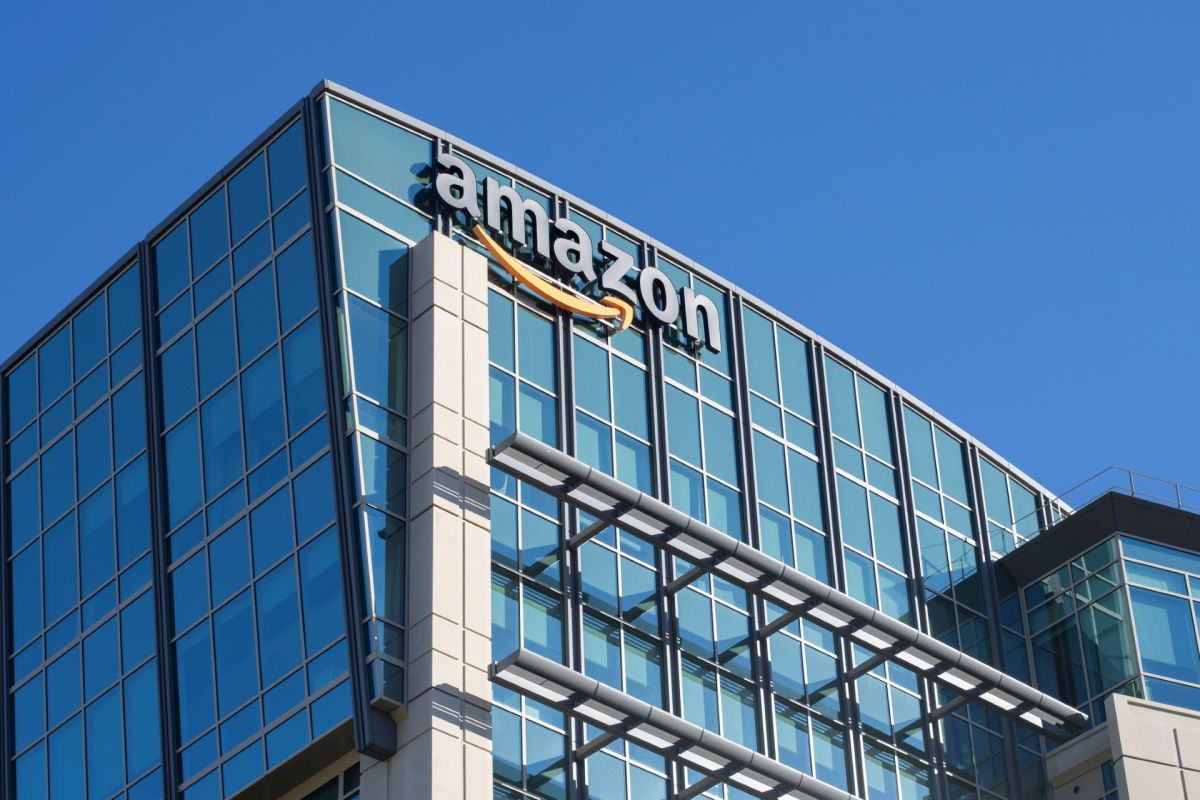
A study highlighting Amazon's dynamic pricing algorithm indicates that the function led schools and municipalities to overpay for office supplies.
What's happening?
While Amazon may offer convenience, its pricing algorithm can keep prices in constant flux, leading to significant cost swings.
A study, published in December 2025 by the Institute for Local Self-Reliance, demonstrated that these swings led school districts and local governments to pay, in some cases, more than they should for office supplies.
According to the study, an employee of the City of Boulder, Colorado, bought a 12-pack of Sharpies for $8.99 on Amazon Business. That same day, a Denver Public Schools worker purchased the same item for $28.63.
In another instance, Denver Schools obtained a Swingline stapler for $15.39. That same stapler, ordered by the same school system just a few days later, was priced at $61.87.
"It might be tempting to blame the seller for putting a $62 price tag on a stapler or the employee for not noticing the cost," the ILSR co-authors wrote. "But that overlooks Amazon's pivotal role in the transaction — and the profit it makes."
Overall, the study found that for often-reordered items, such as copy paper, governments and state agencies spent approximately $3 million, according to Engadget. However, based on the lowest prices available on Amazon at the time of those purchases, the buyers could have paid only $2.5 million total.
Why is this Amazon policy concerning?
Many companies are opaque about how their dynamic pricing actually works, but as the ILSR study demonstrated, it can lead consumers to pay more than is practical for some items.
The report also found that Amazon's pricing changes led to more money going to foreign companies, rather than local ones. A school district in West Virginia spent $1.3 million through Amazon Business, with only $142 going to local vendors.
This shows how dynamic pricing through platforms like Amazon can drive smaller local shops out of business and weaken domestic economies, leading to monopolies that ensure higher prices and often result in worse customer service.
TCD Picks » Quince Spotlight
💡These best-sellers from Quince deliver affordable, sustainable luxury for all




|
What's the most you'd pay per month to put solar panels on your roof if there was no down payment?
Click your choice to see results and speak your mind. |
 $200 or more 💰
 Together with the energy-intensive, packaging-replete, long-distance shipping this may also drive, there's another environmental consequence in the mix too. The artificial intelligence powering these pricing algorithms consumes significant amounts of electricity and water.
While there are plenty of uses for AI that support public goods, this may not be one of them.
What can be done about dynamic pricing?
Though many consumers are unhappy with the idea of dynamic pricing, more companies seem to be adopting the practice. Some, though, like Wendy's, have faced enough backlash over rumored plans to switch to surge pricing that they've clarified they won't do so. (Wendy's said in a statement in 2024, "We didn't use [the phrase 'surge pricing'], nor do we plan to implement that practice.")
Mounting public pressure may drive policies to curb less transparent pricing practices and support local economies. In the meantime, consumers may choose to "vote with their dollars" and support businesses that use methods they approve of.

Get TCD's free newsletters for easy tips to save more, waste less, and make smarter choices — and earn up to $5,000 toward clean upgrades in TCD's exclusive Rewards Club.
Cool Picks





