


The ongoing argument over if creative works developed using artificial intelligence constitute original art or are just technology-driven amalgamations of previous works has more than just philosophical implications.
When it comes to areas such as copyright law, how society chooses to answer that question could have enormous financial implications with industry-wide impacts.
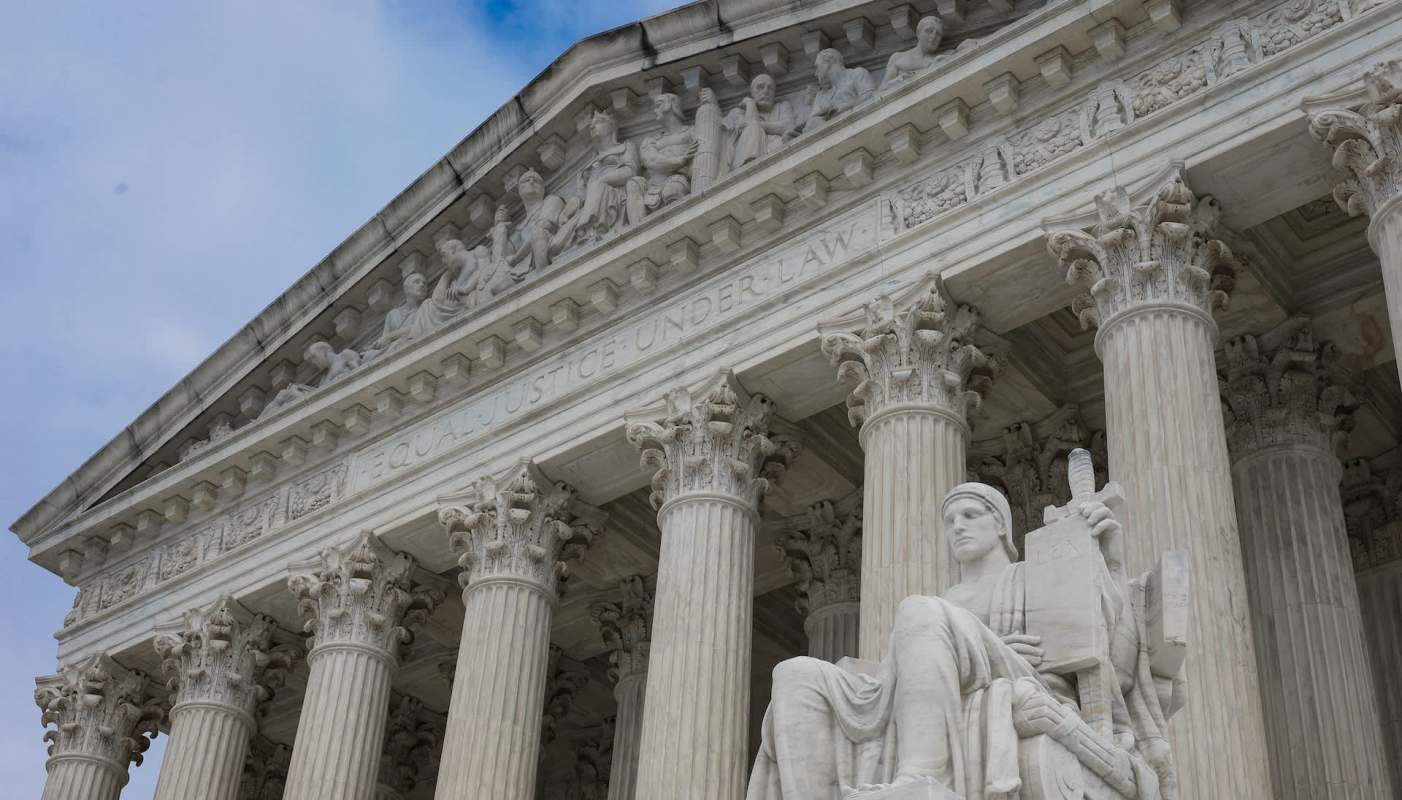
In recently deciding not to hear a case over whether AI-created works can be copyrighted, the United States Supreme Court let stand a decision finding that such creations cannot receive legal protection.
What's happening?
The case involved a computer scientist from Missouri who sought copyright protection for a piece of visual art he developed using AI. However, the U.S. Copyright Office denied his application, stating that for a work to be protected by copyright, it must be created by a human, according to Reuters.
Several lower courts upheld the office's decision, leading the computer scientist to appeal his case to the Supreme Court. By declining to hear the case, the Supreme Court let the lower rulings stand.
The current administration had urged the high court not to hear the case.
"Although the Copyright Act does not define the term 'author,' multiple provisions of the act make clear that the term refers to a human rather than a machine," the administration said, per Reuters.
Why is this case important?
The decision of whether AI-created art can receive copyright protection will have enormous implications for creative industries and professional artists moving forward.
According to Brookings, the market for AI-generated works has been projected to increase by 42% through 2029, reaching a total market value of $2.5 billion.
Whether or not AI works receive intellectual property protections also will heavily impact the ability of human artists to make a living in a world increasingly dominated by AI creations. Many artists have accused the AI industry of training its models on copyrighted works created by humans.
TCD Picks » Quince Spotlight
💡These best-sellers from Quince deliver affordable, sustainable luxury for all




|
Which of these savings plans for rooftop solar panels would be most appealing for you?
Click your choice to see results and earn rewards to spend on home upgrades. |
 Save $1,000 this year 💸
 The argument extends beyond works of art as well. The same computer scientist who sought Supreme Court review of his copyright application also has been denied patents based on AI-fueled inventions, including a prototype beverage holder, per Reuters.
What's being done about it?
By declining to hear the current case, the Supreme Court has settled the matter for the time being. Whether and to what extent AI creations can receive copyright or patent protections, however, will continue to be at issue for years to come.
Ultimately, with billions of dollars potentially hanging in the balance, it likely will be up to lawmakers to decide how to weigh human creators' rights against protections for works generated using AI.

Get TCD's free newsletters for easy tips to save more, waste less, and make smarter choices — and earn up to $5,000 toward clean upgrades in TCD's exclusive Rewards Club.
Cool Picks





