


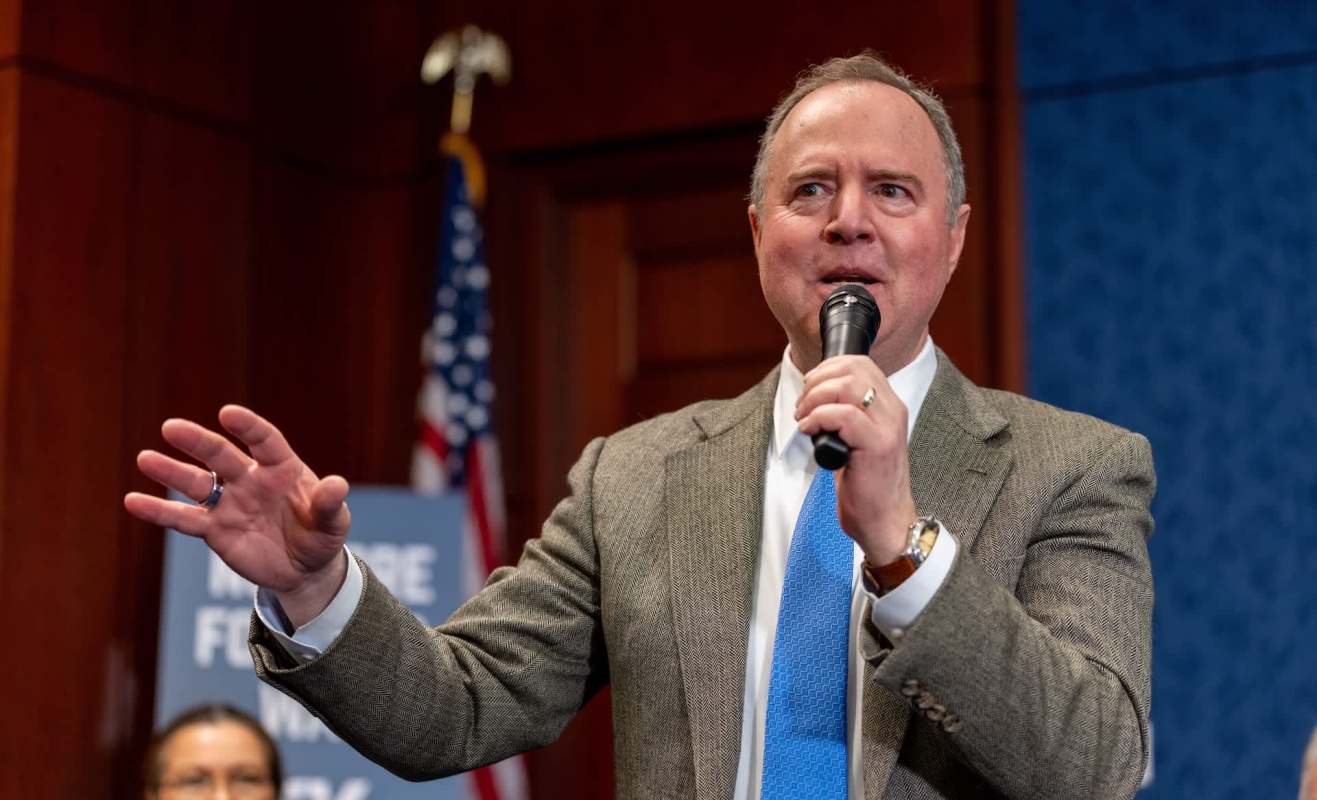
California Sen. Adam Schiff is stepping into one of the fastest-growing fights around artificial intelligence — who should pay for the massive electricity demand from data centers.
His new bill would aim to prevent those costs from being passed on to everyday utility customers.
According to Bloomberg Government, Schiff has introduced the Energy Cost Fairness and Reliability Act, legislation that would require AI developers to pay all power-related costs associated with their operations rather than leave ratepayers with the burden.
The proposal comes as lawmakers in both parties increasingly focus on the electricity demands of data centers, which are expanding quickly as AI use grows. These facilities can require enormous amounts of power, raising concerns about grid reliability and whether households could end up footing part of the bill through higher monthly utility costs.
In a statement, Schiff said AI is already reshaping major parts of modern life, but argued that this growth should not come at consumers' expense.
For consumers, the biggest issue is simple: electric bills. And as overall opposition to data centers grows, agreement on this and other matters seems to cross even deep political divides.
TCD Picks » Quince Spotlight
💡These best-sellers from Quince deliver affordable, sustainable luxury for all




If utilities build more infrastructure to serve energy-intensive AI facilities, policymakers are increasingly debating whether those costs should be paid by the companies driving the demand or shared more broadly by customers.
That matters at a time when many households are already dealing with high living costs. Even small increases in utility bills can add up, especially for families on fixed incomes or anyone struggling to manage monthly expenses.
Reliable electricity service also affects daily life far beyond the bill itself, from keeping homes comfortable during extreme weather to supporting schools, hospitals, and local businesses.
The debate also reflects a broader tension around new technology.
AI companies want room to grow, and lawmakers want the United States to remain competitive. But many people are asking whether innovation should move forward without clear guardrails for affordability and grid reliability.
Schiff's bill is part of a broader push in Washington and statehouses to ensure that fast-growing data center demand does not leave ordinary customers subsidizing private industry. While the legislative process can be slow, the proposal adds pressure to define who pays when energy needs surge.
If policies like this move forward, they will provide more protection against utility cost increases linked to AI expansion and potentially a fairer system for allocating the costs of new power demand.
It could also encourage developers to think more carefully about efficiency, siting, and long-term energy planning.
"Artificial intelligence is already deeply impacting our society, economy, and national security, and it is critical that we maintain our international leadership," Schiff said in a statement. "However, that growth cannot come at the cost of consumers or society."

Get TCD's free newsletters for easy tips, smart advice, and a chance to earn $5,000 toward home upgrades. To see more stories like this one, change your Google preferences here.






