


African Union Commission (AUC) Chair Mahmoud Ali Youssouf issued an unusual public apology after his spokesperson, Nuur Sheekh, posted a photo on X aboard a private jet that sparked criticism, according to the Eastleigh Voice. The image reportedly showed Sheekh seated in a luxurious aircraft while reading a magazine with fruit and refreshments.
This image was posted following an AUC delegation trip to Luanda, Angola, and immediately drew sharp condemnation.
Youssouf explained in a post on X that the plane was provided by Angolan President João Lourenço, who currently chairs the AUC, to help the delegation shuttle to another engagement after the Luanda Summit on infrastructure.
"Our Union has no resources to rent a special flight to the AUC," he wrote in the post. "The picture of my spokesperson was not appropriate. I admit that."
According to Geeska, Sheekh later apologized as well, saying his post was "ill-judged" and it unintentionally sent the wrong message. Yet the backlash revealed deeper frustration. Critics argued that the luxury of a private jet put on display a disconnect between elite power and the realities most Africans face. At a time when conflict, economic hardship, and humanitarian crises are top of mind, the optics of privilege are especially jarring.
Beyond the PR fallout, this incident raises a broader moral and environmental point: Private jets are not just symbols of inequality; they are among the most carbon-intensive ways to travel. According to a recent study, private jets can generate between five and 14 times more pollution per passenger than commercial flights. Their inefficiency, coupled with more people flying private, has become a large contributor to the changing climate.
Perk up the winter blues with natural, hemp-derived gummies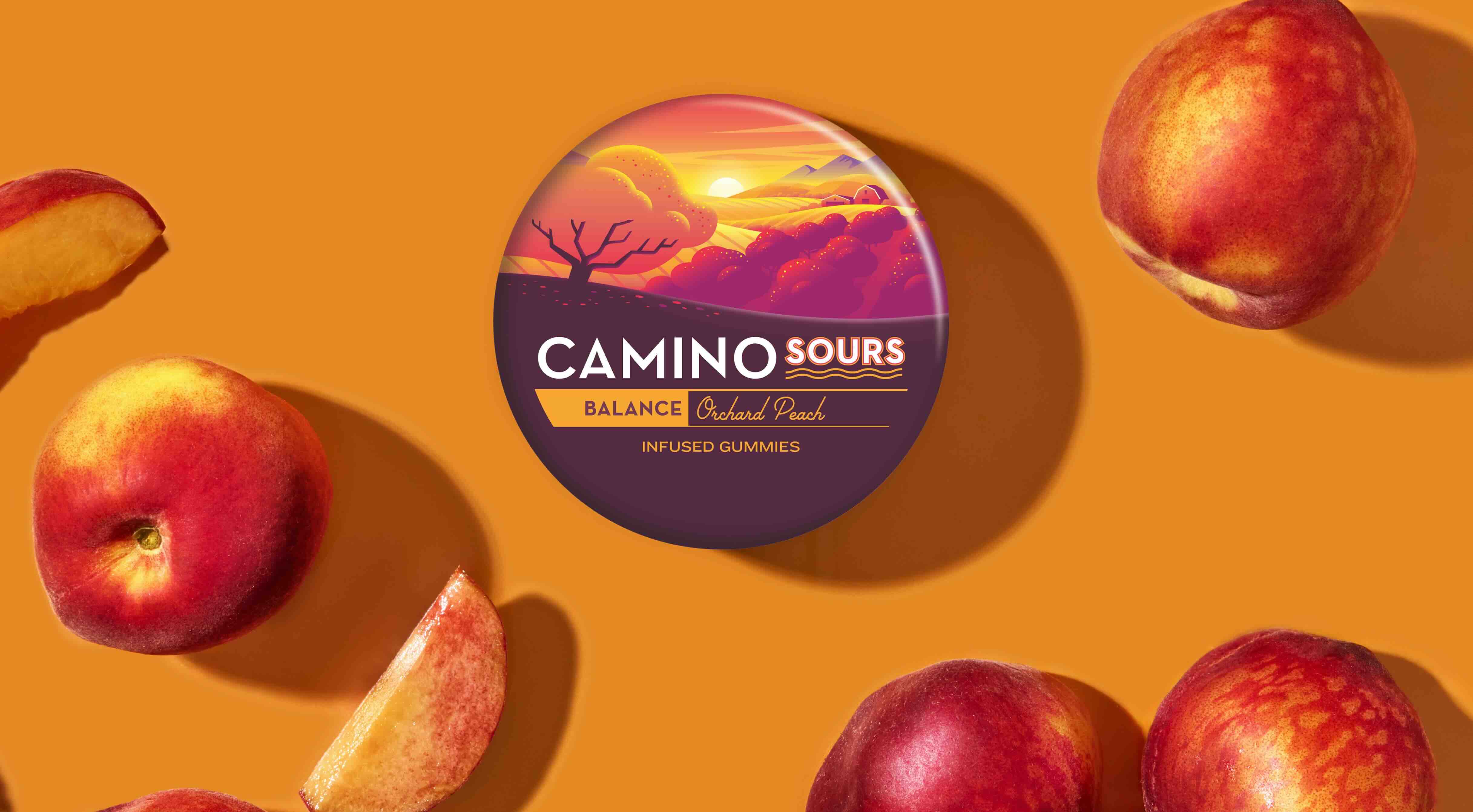 Camino's hemp-derived gummies naturally support balance and recovery without disrupting your routine, so you can enjoy reliable, consistent dosing without guesswork or habit-forming ingredients. Flavors like sparkling pear for social events and tropical-burst for recovery deliver a sophisticated, elevated taste experience — and orchard peach for balance offers everyday support for managing stress while staying clear-headed and elevated.
Learn more → |

When government leaders use lavish, planet-damaging transportation, they betray public trust as well as the responsibility to protect our communities and the planet. The outrage can fuel something meaningful: conversations about sustainable policies, transparency in how officials travel, and stronger commitments to climate action.
|
Should the government provide incentives to buy EVs?
Click your choice to see results and speak your mind. |
 Absolutely 💯
Get TCD's free newsletters for easy tips to save more, waste less, and make smarter choices — and earn up to $5,000 toward clean upgrades in TCD's exclusive Rewards Club.
Cool Picks





