


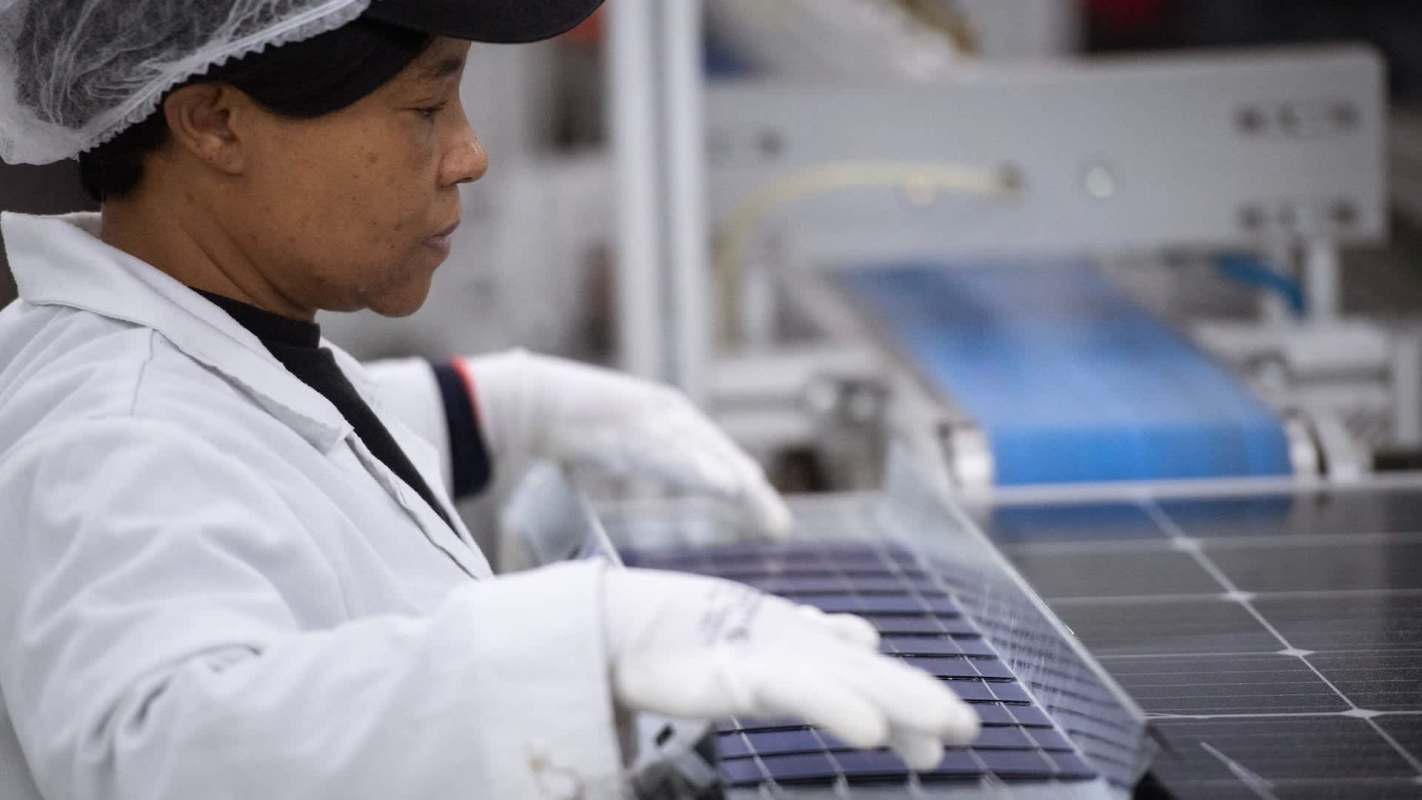
African countries are making a stronger push to build solar panels and related equipment closer to home, aiming to turn abundant sunshine into more reliable electricity, more local jobs, and less dependence on imported energy technology.
The effort reflects both a major opportunity and a difficult reality: China still dominates the global solar supply chain, making it hard for newer manufacturers to compete on price and scale.
What's happening?
According to the Associated Press, governments and businesses across Africa are trying to grow solar manufacturing at home as part of a wider energy-security effort. They want not only to add more solar power, but also to retain more of the economic value by producing panels, components, and related systems domestically.
That push comes as many African countries continue to face electricity shortages, costly fuel imports, and unstable power grids.
Chinese companies still lead the world in solar manufacturing. Their enormous scale has pushed prices down globally, which has helped expand solar use but has also made it harder for African factories to capture market share.
Because of that, the continent's solar goals are tied to a difficult balance between the lower cost of imported technology and the longer-term benefits of building a domestic clean energy industry.
TCD Picks » Quince Spotlight
💡These best-sellers from Quince deliver affordable, sustainable luxury for all




Why does it matter?
Solar power can mean fewer blackouts, lower energy costs, and cleaner air. For small businesses, it can also mean keeping the lights on and avoiding the steep costs tied to diesel generators.
Many people across Africa still do not have reliable access to electricity. As a bonus, local solar manufacturing could also support jobs in assembly, installation, maintenance, transportation, and engineering.
Replacing diesel or kerosene with solar can reduce both indoor and outdoor air pollution, which experts have linked to respiratory illness and other serious health concerns. Dependable solar power can also help keep vaccines cold, computers running, and essential services available.
Beyond that, producing more equipment locally may help countries reduce their exposure to shipping delays, currency fluctuations, and international supply disruptions.
"A few years ago, local solar manufacturing was barely on the agenda anywhere in Africa," said Benjamin Clarke, policy director at the Africa Solar Industry Association, per AP News. "It is now becoming a recognized pillar of industrial policy and green economic development."
What's being done?
African nations are exploring a mix of industrial policy and market-building tools to support local solar production. Those efforts can include incentives for manufacturers, public procurement programs, financing support, and policies that encourage developers to source at least some materials domestically.
Rather than trying to rival China across the entire supply chain immediately, a more realistic near-term path may be local assembly and component manufacturing. Jobs can still be created through building expertise in mounting systems, batteries, inverters, wiring, and panel assembly.
Solar is becoming increasingly relevant in daily life. Rooftop systems, community solar, and mini-grids can help families reduce dependence on unreliable power and help companies lower fuel costs.
If local manufacturing expands successfully, those benefits could grow even further. Shorter supply chains and stronger domestic industries may eventually make it easier for cities, utilities, and homeowners to adopt clean energy more quickly and at a lower cost.
Africa's solar manufacturing push is about more than factories. It is about making electricity more dependable, more affordable, and more locally rooted while ensuring the clean energy transition creates opportunity on the continent as well as power for it.

Get TCD's free newsletters for easy tips, smart advice, and a chance to earn $5,000 toward home upgrades. To see more stories like this one, change your Google preferences here.






