


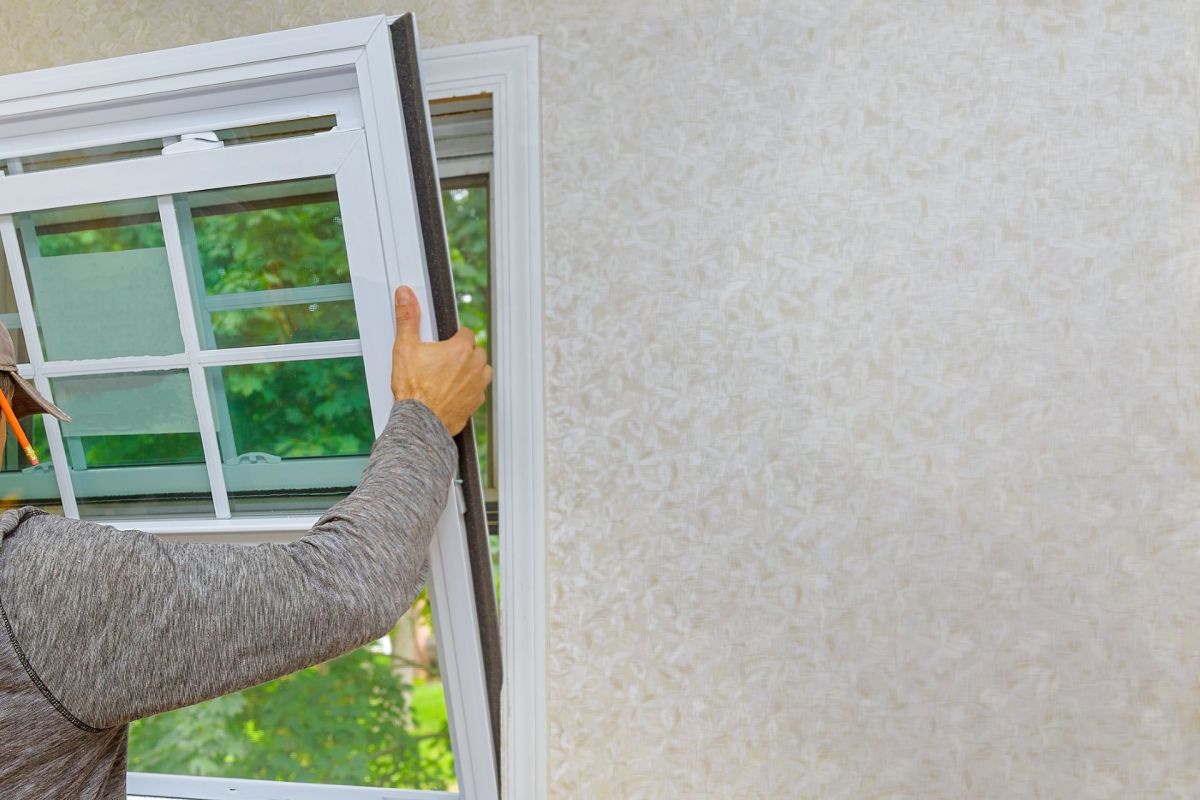
New windows and fresh insulation were supposed to bring relief from Houston's brutal heat. Instead, one homeowner is still watching hot air pour into her living room as sky-high electric bills continue to pile up.
Felicia Thibodeaux's experience shows how extreme temperatures and rising energy costs can overwhelm even practical home upgrades, especially in older neighborhoods built in ways that trap heat.
Here's what to know
Her efficiency upgrades still haven't cooled the worst part of the house. Thibodeaux, a 65-year-old homeowner in Houston's Pleasantville neighborhood, said her south-facing living room remains unbearably hot. In the fourth installment of its "Powerless" series, Public Health Watch reported that after covering a $488 power bill for August, she faced another $280 charge in September.
That kind of financial strain is hitting many families in older Houston neighborhoods, where homes often leak cool air, and residents are already dealing with the urban heat island effect. "When you're on a strict budget and you're paying $200 light bills, it's hard," Thibodeaux said. "You can't survive under a fan when the heat index is 102 degrees."
Assistance programs still reach few Texans. State legislative reports show that from 2021 to 2023, the Low Income Home Energy Assistance Program helped 5,532 households with electric bills, while the state's weatherization program served 2,187 low-income households.
Tsion Amare, who manages Texas political affairs at the Environmental Defense Fund, described the compounding pressure facing communities such as Pleasantville.
TCD Picks » Quince Spotlight
💡These best-sellers from Quince deliver affordable, sustainable luxury for all




"They're already facing health risks because of environmental injustices, redlining and historic racism. They're most vulnerable on climate change issues and, on top of that, their energy costs are increasing. They can't get a break."
More background
Pleasantville is especially vulnerable because it combines aging housing stock, industrial development, and rising temperatures. Harris County Public Health found that heat-related illnesses in the county jumped 329% between 2019 and 2023.
The Houston Advanced Research Center ranked Pleasantville among Houston's hottest neighborhoods, and its analysis found temperature differences of up to 14 degrees across the city. Public Health Watch, citing the advocacy group, reported that 85% of Pleasantville homes predate 1979. Homes that age tend to have less insulation and leakier windows and doors.
Margaret Cook, a vice president at the research center who oversees water and community resilience, said leaky homes drive up what residents spend on cooling.
"They're going to continue to spend more of their income on energy as they try to air condition a leaky home."
What's being done?
Available aid comes from both utilities and the state. As Public Health Watch reported, households that qualify through utilities such as CenterPoint Energy or through the state's Weatherization Assistance Program can receive improvements such as insulation, doors, windows, ductwork, and heating or cooling system repairs or replacements.
Aljeretti Whitehead, a 72-year-old Pleasantville resident with chronic obstructive pulmonary disease, said her weatherization support included insulation, a more efficient stove, and a wrap for her water heater. Afterward, her monthly electric bill dropped to about $300, down from $500 to $600.
Community groups are also stepping in where government systems have fallen short. Bridgette Murray's nonprofit Achieving Community Tasks Successfully and the Coalition for Environment, Equity and Resilience help neighbors apply for utility aid and weatherization, while trained "climate ambassadors" and navigators guide residents through the process.
Where can I learn more?
For a closer look at how heat, home upgrades, and energy choices shape household bills, start with these stories. They cover insulation problems, Texas electricity costs during extreme heat, new limits on solar, and other ways families try to cut monthly expenses.
• A Missouri homeowner found attic insulation gaps driving up cooling costs after moving in.
• Across Texas, clean energy sources helped hold electric bills down during brutal heat.
• Weeks of record Texas heat are raising alarms about harsher summers ahead.
• Palmetto said solar subscriptions lowered household energy costs without rooftop panels.

Get TCD's free newsletters for easy tips, smart advice, and a chance to earn $5,000 toward home upgrades. To see more stories like this one, change your Google preferences here.






