


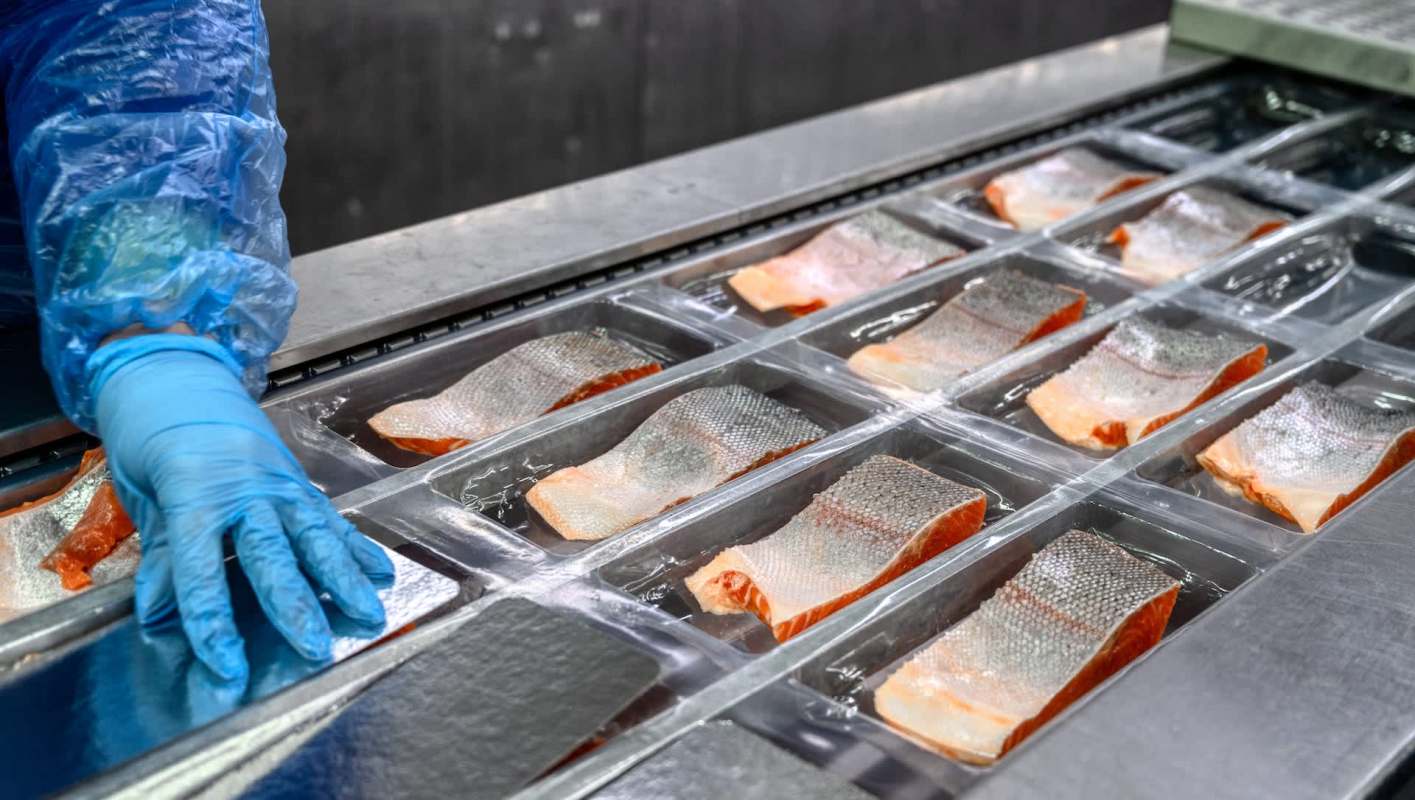
Scientists say thousands of chemicals used in food-contact materials warrant closer scrutiny, and a new screening approach is shedding light on how often hazardous substances — or barely studied replacements — can wind up near everyday food.
Here's what to know
Among 15,159 substances documented as coming into contact with food, a new screening system singled out 1,222 packaging-related chemicals that regulators had already linked to serious human-health hazards.
The study, published in Environmental Science & Technology and detailed by Phys.org, used the method to sort through chemicals used in food packaging and other food-contact materials, including substances associated with cancer, reproductive harm, and hormone disruption.
The team also placed more than 4,000 chemicals into hazardous priority groups. Roughly 70% of those related substances lacked sufficient safety data, increasing the risk they could become regrettable substitutions.
The plastic-lined materials that help packaged foods block out moisture, air, and contaminants can also create conditions that allow chemicals from the packaging to migrate into the food.
More background
Researchers say documented migration into food has already been reported for at least 2,160 food-contact chemicals.
TCD Picks » Quince Spotlight
💡These best-sellers from Quince deliver affordable, sustainable luxury for all




In some regions, health-risk concerns have already led to rules covering certain bisphenols and ortho-phthalates. But those limits can produce a familiar outcome: One chemical is removed, and a closely similar replacement with far less testing takes its place.
The shift from BPA to BPS is a well-known example. Because the two substances are structurally similar, BPS may carry many of the same toxic effects, creating a loophole where a restriction changes the chemical's name without necessarily reducing the health risk.
What can be done?
Rather than reviewing chemicals one at a time, the study argues for evaluating them in groups. Because similar molecules can behave similarly, that approach could make it easier to identify substances to avoid or regulate.
The screening tool gives manufacturers and regulators a way to check replacement chemicals before products reach store shelves.
Where can I learn more?
The articles below show how questions about food-contact chemicals reach far beyond one new screening method. They point to the same recurring problem: substances from packaging and plastics turning up in food, in people, and in water before the safety picture is clear.
• Scientists detected nearly 70 contaminants inside food packaging, raising fresh concerns about daily exposure.
• A new global report said plastic food packaging sheds an estimated 1,100 tons of microplastics into food and drinks each year.
• Researchers say particles from one type of biodegradable plastic used commonly in food packaging could disrupt metabolic cycles.
Read side by side, the stories make this issue feel a lot less theoretical. Migration, chemical swaps, and thin safety data can shape what ends up in everyday foods well beyond any one snack bag or container.

Get TCD's free newsletters for easy tips, smart advice, and a chance to earn $5,000 toward home upgrades. To see more stories like this one, change your Google preferences here.






