


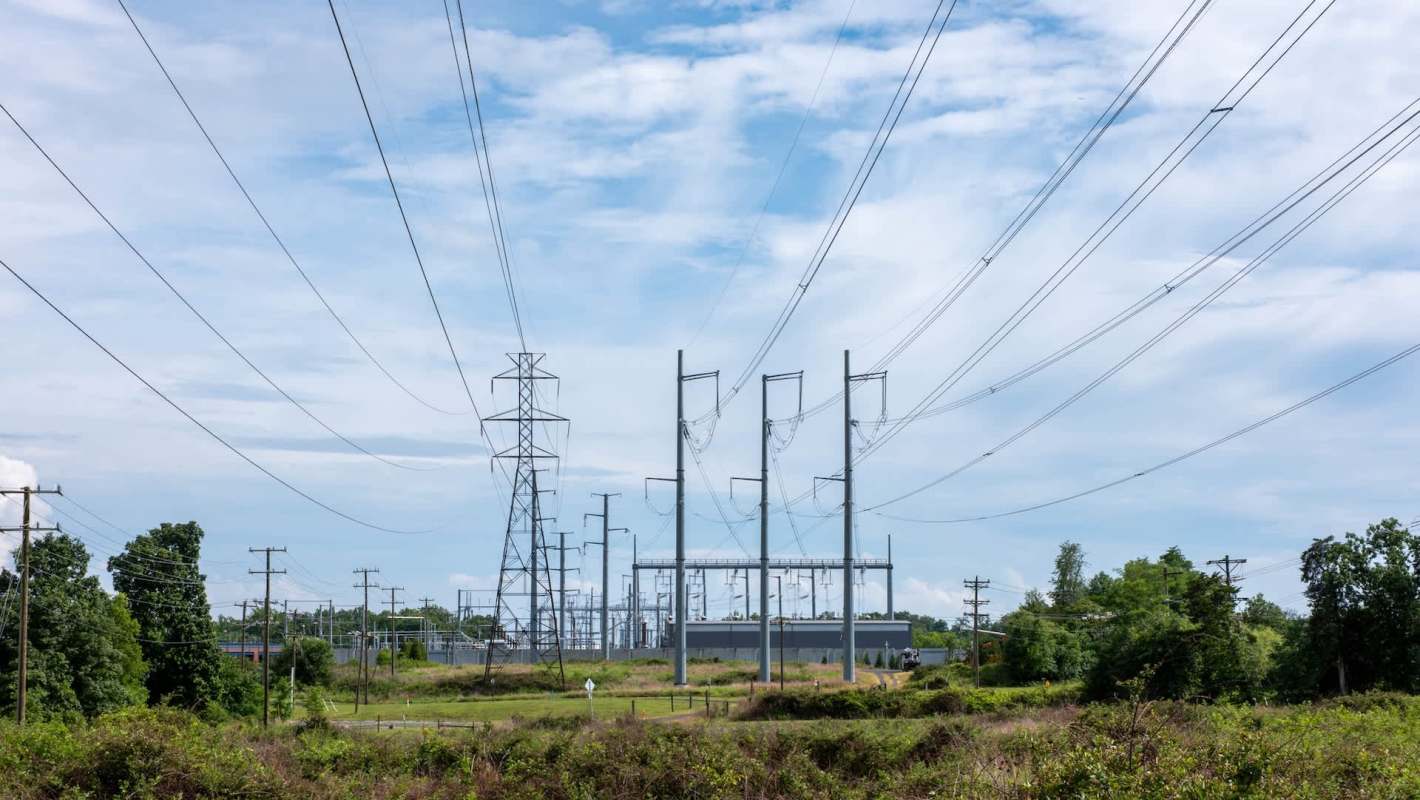
As data-center growth pushes Virginia's electricity needs upward, Dominion Energy, the state's biggest utility, is asking to build a huge new gas plant. Critics say the proposal will reveal how much force Virginia's clean-energy pledges actually have.
Here's what to know
Canary Media reported that Dominion is seeking approval for a 3-gigawatt natural gas facility in rural Cumberland County. The project would rank among the largest operating gas plants in the country.
At the center of the proposal is a combined-cycle plant, a type of gas facility designed to run continuously while reusing waste heat to improve efficiency. Dominion argues the plant is needed to keep the grid reliable as electricity demand grows, particularly from data centers, which the company projects could account for half of its electricity sales by 2035.
Virginia's 2020 Clean Economy Act complicates that case, the outlet noted. The law puts Dominion on a path to 100% clean electricity by 2045 and is meant to phase out fossil fuel generation, but it also leaves room for regulators to approve gas plants if they determine grid reliability is at risk.
Regulators have already used that reliability exception to approve a smaller gas plant in Chesterfield County. If Dominion wins again in Cumberland, Canary Media reported critics worry Virginia's fossil-fuel limits could prove more symbolic than binding.
The Cumberland project still faces several hurdles, including county approval and two state permits. Dominion has said those state reviews could stretch into 2028, with the earliest possible operating date in 2033, the outlet said.
TCD Picks » Quince Spotlight
💡These best-sellers from Quince deliver affordable, sustainable luxury for all




More background
Rather than scaling back its climate law, Virginia has added to it. Canary Media reported lawmakers have expanded requirements involving battery storage, community solar, and energy efficiency, even as some other states have pulled back from ambitious clean-energy targets.
Critics say the Cumberland plant could bring more than planet-warming pollution. The facility would be sited near the James River in a county with about 10,000 residents.
In a news release from the Southern Environmental Law Center (SELC), Katie Hoffman of community group Protect Cumberland illuminated those worries.
"We are not only deeply concerned about our own people, land, and water, but also about the health of our neighbors in surrounding counties," Hoffman said.
Dominion maintains that no lower-cost zero-carbon option can provide the same level of reliability.
What's being done?
The dispute is moving through public review channels. County officials, environmental regulators, and the State Corporation Commission will all play roles in deciding whether the project moves forward, as Canary Media detailed.
Clean-energy advocates are trying to show that Virginia has other options. Appalachian Voices and the SELC commissioned an independent analysis in February 2025 that used Dominion's own high-demand forecasts while still accounting for the state's 2045 clean-power deadline.
It suggested a different mix of more nuclear power, more solar and wind, and significantly more battery storage, rather than gas.
The fight may ultimately hinge on whether regulators accept a cleaner path to reliability. For now, critics fear Dominion will end up saddling the state with fossil fuel plants for decades past 2045. Shawn Kelly, regulatory director at clean energy trade group Advanced Energy United, warned Canary Media.
"This is not a piece of infrastructure that's only meant to last 12 years," he said. "These things are built to last 30, 40, 50 years."
Where can I learn more?
Virginia's debate over Dominion's proposed gas plant is part of a much wider fight over fossil-fuel power and climate policy. From Washington to neighboring West Virginia, the same mix of legal pressure, consumer costs, and pollution concerns is surfacing.
• In Washington, senators moved to block Biden-era methane rules, deepening uncertainty around new gas infrastructure.
• A federal court's decision on power-plant emissions kept pressure on utilities fighting stricter climate standards.
• In West Virginia, aging coal plants raised costs for ratepayers long after their prime.
• Federal data showed solar and wind outpaced coal, underscoring the power mix's rapid shift.
• Beyond utilities, gas-powered equipment pollution shows how fossil combustion still fouls local air.
That broader backdrop helps explain why Dominion's proposal has consequences beyond a single county permit. The outcome will say a lot about how Virginia balances climate law, emissions limits, and electricity costs as it plans the future of its grid.

Get TCD's free newsletters for easy tips, smart advice, and a chance to earn $5,000 toward home upgrades. To see more stories like this one, change your Google preferences here.






