


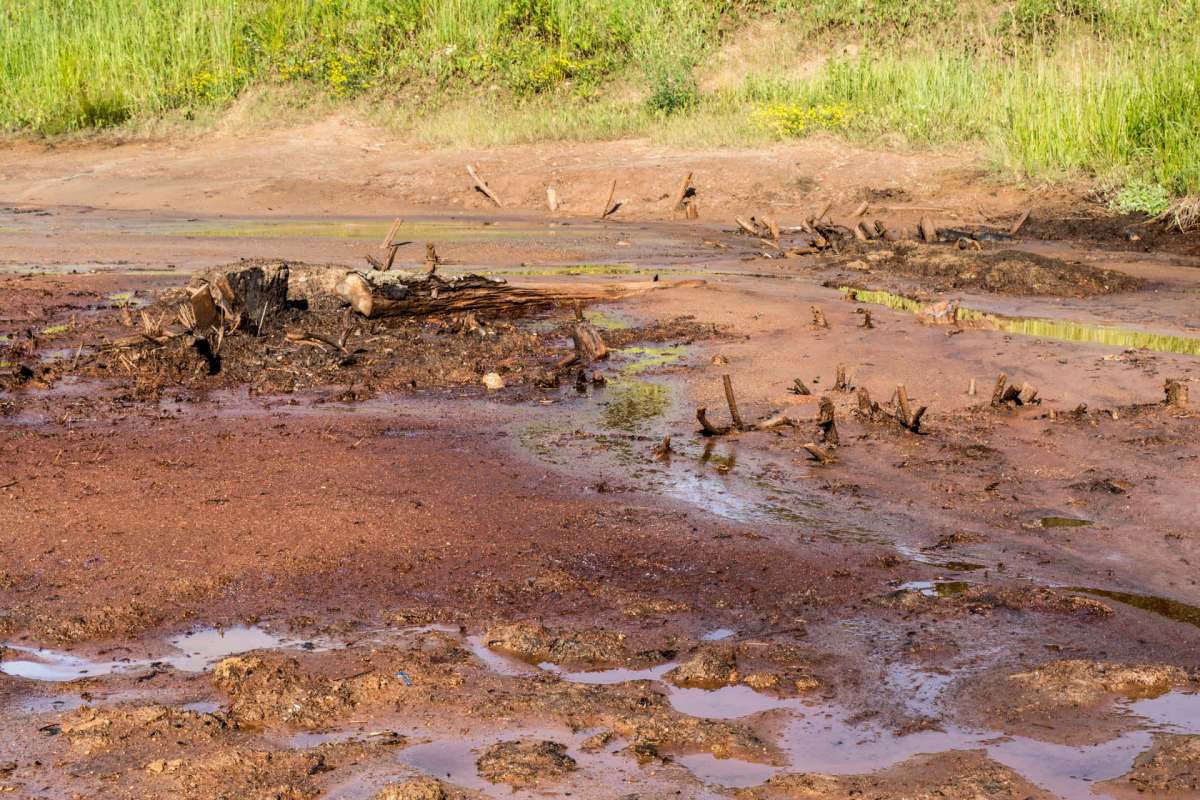
A goose in England had to be rescued after becoming trapped in a dried-up pond, where thick, hardened mud coated his body so heavily that he was unable to move on his own.
Here's what to know
In a recent Instagram post, RSPCA England and Wales (@rspca_official) said, "This poor goose was found trapped in a dried-up pond, completely coated in thick, dried mud, unable to move!"
Caretakers began washing the bird after he arrived, with the center saying, "The team quickly got to work, carefully washing away the hardened mud that had left him so helpless."
The goose was brought in and described as "extremely lethargic."
After the mud was cleaned off, he was left to dry and rest.
One commenter wrote, "Can't believe same goose. Well done."
TCD Picks » Quince Spotlight
💡These best-sellers from Quince deliver affordable, sustainable luxury for all




Another added, "Thank you for helping."
The goose showed signs of improvement, with the center saying he had a strong appetite and was still recovering.
More background
A dried-up pond can create thick silt where birds can become trapped, exhausted, and unable to defend themselves.
One commenter wrote, "Problem is, most ponds/lakes dried up. Every one round here is dried up or full of muddy silt which is not good for the birds."
Ponds, marshy edges, and shallow waters are important places for birds to feed, rest, and move safely. When those habitats shrink or become hazardous, animals can lose both shelter and a route to safety.
Wildlife suffering can go unnoticed until someone spots an emergency. In this case, the mud had left the goose so immobilized that, without intervention, the outcome could have been far worse.
What can be done?
For people who come across a trapped animal, the safest response is usually to contact a professional. Animals under stress can be fragile, and wildlife rescue responders have the equipment and the training to transport and treat them safely.
This goose's life depended on a local rescue team. Cleaning him, warming him up, and feeding him slowly may sound straightforward, but those steps are more complicated than they sound when working with a delicate wild bird — and they're essential when that bird has been trapped long enough to get this weak and dehydrated.
Healthier ponds and wetlands can help prevent situations like this in the first place.
As the rescue center put it, "And the best news? He's doing well, has a fantastic appetite, and is continuing to make a great recovery!"
Where can I learn more?
Other wildlife rescues show how quickly trouble can start when ponds, lakes, and drainage areas become dangerous.
• In Spokane Valley, a cow moose stuck in a backyard pond climbed out after hours.
• On a neighborhood street, neighbors watched ducklings emerge from a storm drain one by one.
• In New Jersey, a father found ducklings stuck below a sewer grate and stepped in.
A routine day near water can quickly turn into an animal emergency. Thankfully, alert bystanders and trained rescuers can make a difference.

Get TCD's free newsletters for easy tips, smart advice, and a chance to earn $5,000 toward home upgrades. To see more stories like this one, change your Google preferences here.







