


Clean energy's rise in the United States may be proving harder to slow than critics expected.
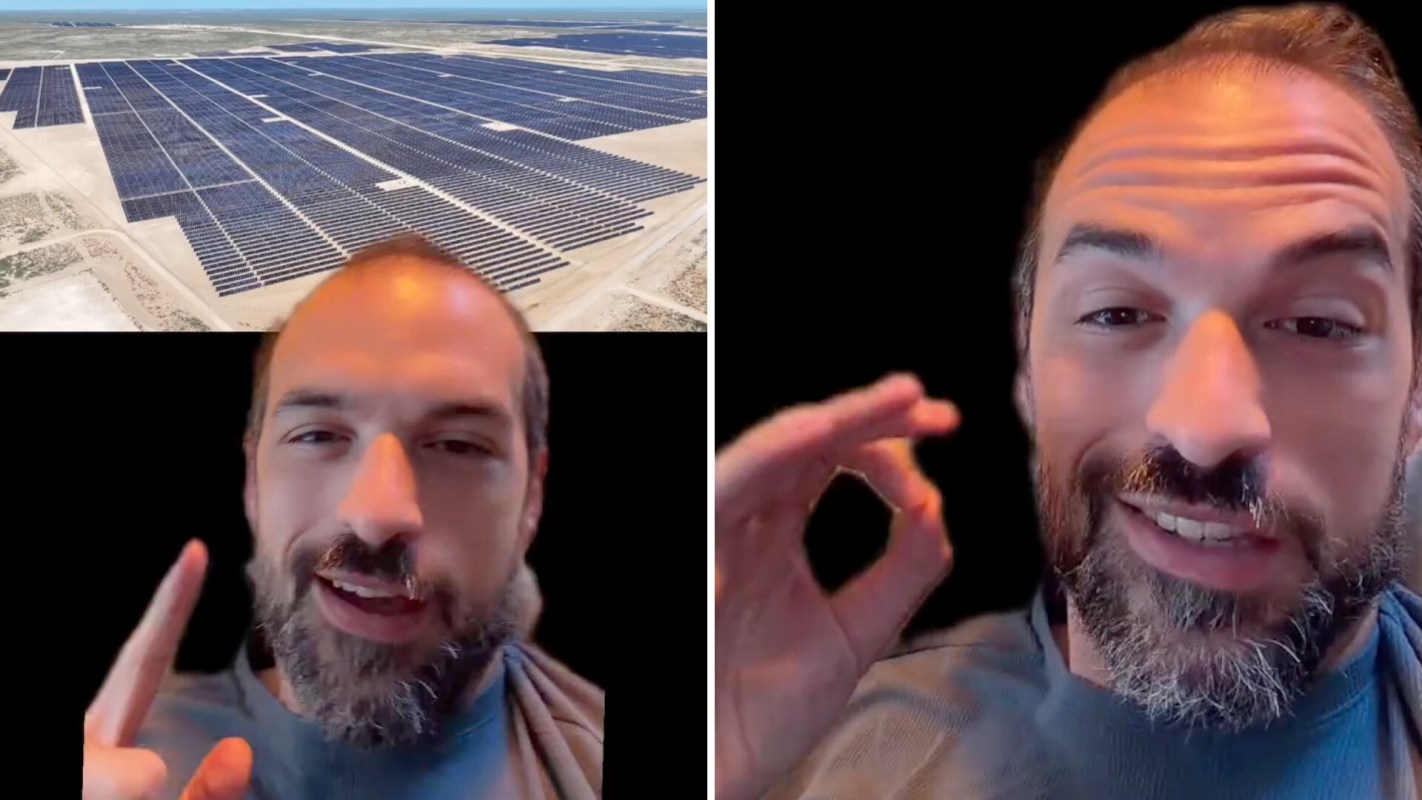
One explainer by creator bonusmoles (@bonusmoles) is celebrating a milestone that would have seemed ambitious not long ago. Renewables make up more than 30% of the grid while coal continues to slide.
Here's what to know
In a TikTok video, the content creator used grid data to argue that renewable electricity continues to advance even amid political opposition.
@bonusmoles Renewable energy can't stop winning despite every effort to stifle it #climateaction #solarpower #greenscreen ♬ heal - SIE Sound Team
"Despite Trump's best efforts to stifle renewable energy, it's still going to surpass natural gas by 2027," bonusmoles declared in the video.
Among the figures cited in the video was a rise in renewables from less than 28% of the grid to more than 30%. The creator also said renewable energy grew 11% in the first half of 2026, while coal fell 11.3%.
"Imagine thinking it was a bad thing to have more clean energy…," a viewer wrote, in reference to those stifling renewable energy growth.
TCD Picks » Quince Spotlight
💡These best-sellers from Quince deliver affordable, sustainable luxury for all




More background
How power is generated shapes both climate pollution and everyday life. When utilities rely more heavily on renewable sources, it can help cut harmful pollution from fossil fuels and reduce dependence on energy sources often linked to extraction and price volatility.
Coal's decline is especially significant. It remains one of the dirtiest major sources of electricity, so any reduction in its share can bring outsized benefits for air quality and climate pollution.
After a commenter tried to push back on the positives of the news by referencing the dangers to birds, a viewer had a quick retort.
"Do you think burning coal makes their environment better," they asked in a much-liked post.
National politics can influence the pace of clean-energy growth, but they do not fully determine it. Utilities, developers, and consumers can keep shifting the grid even during a hostile political moment.
The creator summed up the moment this way: "We'd be a lot further if it weren't for Trump, but he still cannot stop the progress."
What can be done?
At the same time, other responses to the video revealed a separate problem. Growth on the grid does not automatically mean every household can access its benefits.
"I want solar panels so bad but they got rid of the stupid tax credit and I can't afford $30k right now," a viewer wrote.
Rooftop solar can carry a steep upfront cost, and not every homeowner is in a position to make that investment.
Smaller steps can still help, including improving home efficiency, asking utilities about green power options, or looking into local community solar programs where available.
Those actions will not replace systemwide policy or utility-scale development, but they can help households reduce energy waste and gain access to some of the benefits of the clean energy transition.
And as the grid gets cleaner, even people who never put panels on their roofs can still benefit from a less-polluting power mix.
Where can I learn more?
The grid numbers in this video fit into a broader national story. Renewable capacity keeps rising, clean electricity is closing in on new milestones, and coal-heavy systems are losing ground. That is all occurring even as the pace of change still varies widely by state and makes solar and storage increasingly important.
• Across the United States, 30% of power capacity comes from renewables.
• State by state, cleaner and dirtier power grids are splitting the energy transition.
• Across the U.S., solar drove nearly 60% of new electricity generation.
• Solar paired with storage is becoming the backbone of America's energy future.
Read through these stories and the video's argument comes into clearer focus. The clean-energy transition can keep moving even when politics get in the way. They also emphasize a point raised in the comments, which is that stronger grid numbers still have to turn into something households can actually access.

Get TCD's free newsletters for easy tips, smart advice, and a chance to earn $5,000 toward home upgrades. To see more stories like this one, change your Google preferences here.






