


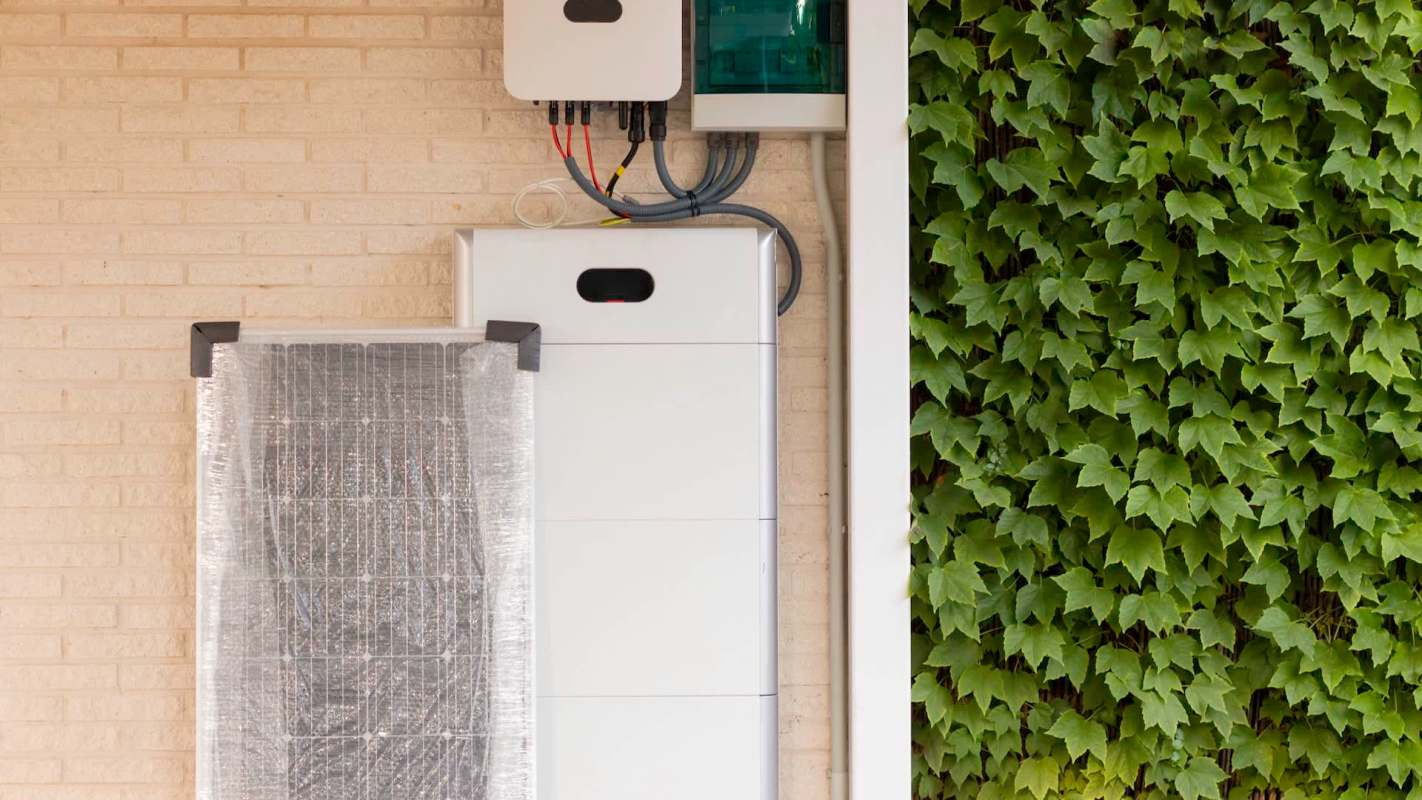
Minnesota households considering a home battery still have time to take advantage of a major state incentive.
More than $1.4 million remains in Minnesota's rebate pool for solar-connected battery storage, so qualifying applicants can still claim as much as $7,000 before the money is gone.
Here's what to know
Under the state's Energy Storage Incentive Program, rebates are calculated at $250 per kilowatt-hour of battery capacity, with a maximum payout of $7,000, according to a Minnesota Department of Commerce news release cited by KIMT.
Eligible customers outside Xcel Energy's service area can apply until funding is depleted. Qualifying solar-paired batteries cannot exceed 50 kilowatt-hours.
Applicants can include homeowners as well as businesses, schools, and government entities served by non-Xcel utilities. People with existing solar systems can add a battery, and those starting fresh can install storage alongside a new system.
If you're comparing options, it may be worth exploring EnergySage. For households not ready for a full-scale setup, Pila is another option.
More background
With battery storage, solar panels can generate electricity during the day and store it for later use, whether after dark or during pricier hours.
Using stored power at those times can trim electric bills and help households get more out of the energy they produce at home.
Crushed by your bills? See instant solar savings from vetted installers in just a few clicks With energy prices through the roof, there's never been a better time to go solar — and EasyHome can help you find the best prices from the best installers in your area. EasyHome takes the guesswork and headaches out of energy upgrades by showing you estimated savings from a network of vetted local partners. To get started, just enter your ZIP and share a few details about your home — seeing your estimate is really that easy. |

When paired with the right energy management system, a battery can keep electricity available during outages.
The program has distributed more than $600,000 since 2024.
Depending on the utility, customers may also be able to combine solar and storage with "peak shaving" offerings or time-of-use pricing, which can make a project more financially viable.
What can be done?
Anyone interested should start by identifying the utility that serves the property.
The state rebate applies to customers outside Xcel Energy's service area, while Xcel customers are directed to a separate battery incentive administered by the company.
The Department of Commerce advises shoppers to compare several qualified solar or battery installers to see whether storage matches their needs and goals. It also recommends asking the utility about additional battery rebates or rate options that could be stacked with state aid.
Officials said there is no one-size-fits-all answer since the choice depends on a customer's energy priorities.
"We know these systems can be a significant investment, and this program can help make that option more accessible to Minnesotans who decide it's right for them," Minnesota Department of Commerce Temporary Commissioner Julia Dreier said.
Where can I learn more?
Minnesota's remaining battery money is part of a wider mix of solar and storage incentives, many of which can disappear once deadlines pass or funding runs out. Programs in Oregon, Texas, and beyond show that the final cost can depend on timing and the rules set by local utilities.
• In Oregon, homeowners may need to move fast for up to $7,500 in rebates.
• Austin Energy has boosted solar rebates to $4,000, improving the math for homeowners.
• In Victoria, Australia, 500,000 solar rebates have helped households save more than $1 billion.
For Minnesotans weighing a battery purchase, these stories are a reminder to compare programs and act before rebate pools dry up. They can also help when it comes to conversations with installers and utilities, as it's vital to know which questions to ask.

Get TCD's free newsletters for easy tips, smart advice, and a chance to earn $5,000 toward home upgrades. To see more stories like this one, change your Google preferences here.






