


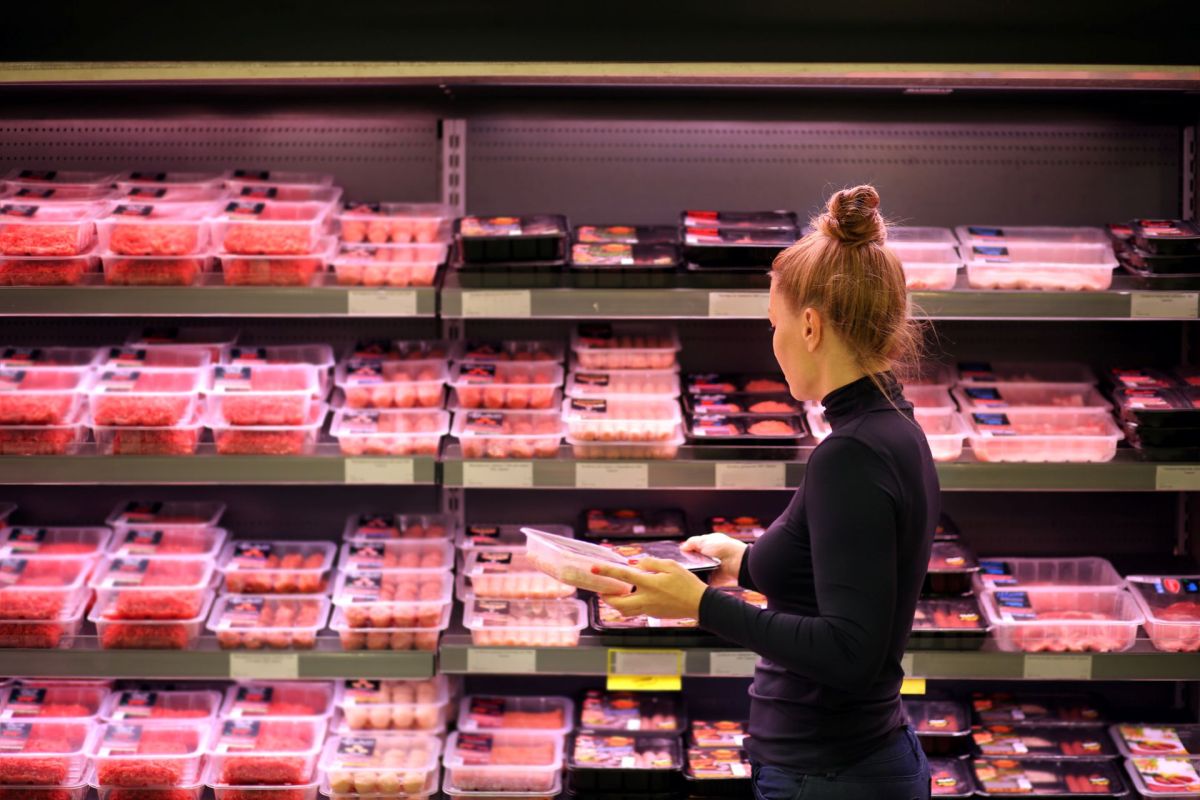
For shoppers trying to keep grocery bills in check, soaring beef prices may finally be hitting a breaking point, with some Americans beginning to buy less beef after nearly two years of increases.
An $8-a-pound ground beef price in a Manhattan grocery store led 32-year-old New Yorker Aaron Kaufman to start choosing cheaper proteins, including chicken, as Fortune reported.
Here's what to know
His switch may be part of a larger consumer response. Fortune reported that as beef prices have risen over the past two years, some Americans are beginning to buy less of it.
Data from Circana pointed to that change, though only slightly. In the 13 weeks ending in mid-July, beef sales volumes were down 0.3% from a year earlier, after growing about 5% in the comparable period in each of the prior two years. Chicken has continued to gain ground as stronger supplies help keep it cheaper.
Chris DuBois, an executive vice president at Circana, said, "Consumers are stretched. It's not always just about the price of food, there's the price of life that hits, so that puts some of the pressure on total volume in the store."
Government figures cited by Fortune also hinted that shoppers may be balking. Ground beef still averaged a near-record $7.116 a pound in July, but the 9.4% increase from a year earlier was the smallest annual rise in 17 months.
TCD Picks » Quince Spotlight
💡These best-sellers from Quince deliver affordable, sustainable luxury for all




More background
Tight supply is a major reason prices have stayed high. The U.S. cattle herd remains near its smallest level in more than 50 years, limiting beef availability and raising costs across the supply chain.
Kaufman said, "Every once in a while, I'll treat myself if it's on sale."
The timing of the slowdown is notable because it appeared during the summer grilling season, when beef demand is usually at its peak.
Shawn Sparks, a managing director at protein sourcing and brokerage firm The Sparks Group Inc., said, "Seasonal demand is typically one of the strongest supports for beef prices. When demand begins to soften during peak grilling season, it suggests affordability is becoming a more important factor."
That does not mean interest in beef has vanished. Duncan Angove, chief executive officer of Blue Yonder, said younger, protein-focused shoppers are still willing to pay more, even though about 40% of beef buyers said they are purchasing it less frequently.
What's being done?
There is no immediate fix, but officials and companies are trying several approaches to ease the strain. The U.S. has been importing more meat from countries including Argentina and is moving to restart live cattle shipments from Mexico after a lengthy ban tied to concerns about the screwworm parasite.
Meat processors are adjusting too. Tyson Foods Inc. announced plant closures as companies cope with cattle that are both expensive and hard to find. Meanwhile, lower wholesale beef prices and weaker live cattle futures could eventually ease pressure farther along the supply chain.
Any relief for shoppers may arrive slowly. George Paleologou, chief executive officer of Premium Brands Holdings Corp., said, according to Fortune, that inventories and hedging programs delay how quickly lower prices reach consumers. Until then, households are turning to cheaper proteins, waiting for sales and being more selective about when they buy beef, much as Kaufman did.
As Michael Di Sabato, founder of HighLine Consulting Group, said, "the market I think has been looking for an opportunity to catch its breath, because it's been dealing with high prices for so long now. This was the first opportunity for consumption to push back a little bit."

Get TCD's free newsletters for easy tips, smart advice, and a chance to earn $5,000 toward home upgrades. To see more stories like this one, change your Google preferences here.







