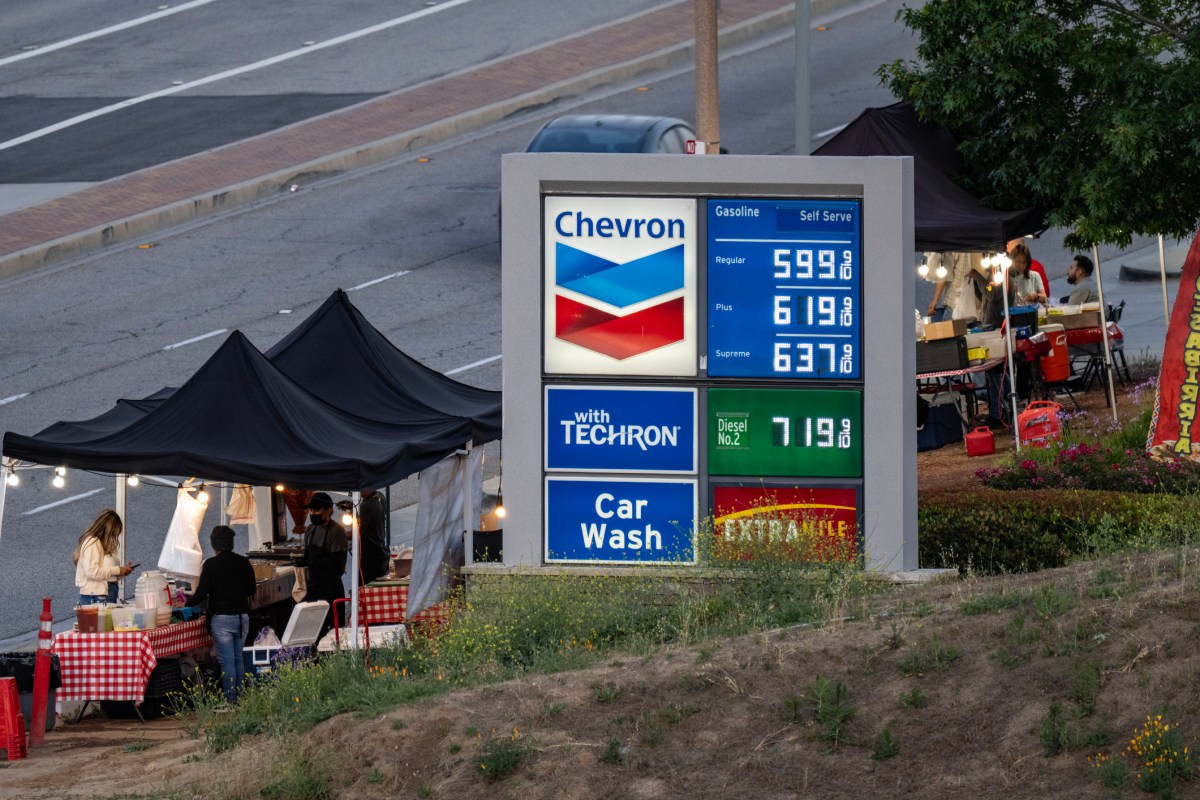
As U.S. diesel prices move closer to record levels, experts are warning that the impact is spreading far beyond the truckers and farmers who need to fill up their tanks.
With diesel powering everything from the semitrucks that keep the U.S. economy running to the farm equipment that keeps the country fed, even people who never purchase diesel are feeling the impacts of skyrocketing prices. When fuel prices stay high, the costs can spread throughout the economy.
Here's what to know
As of late August, the nationwide average for diesel was $5.62 per gallon, just 20 cents shy of the record high reached in May 2022.
According to The Drive, two key supply problems are keeping diesel expensive. First, Russia, one of the world's top suppliers of fossil fuels, instituted a fuel export ban, cutting off supplies from the global market.
Second, movement through the Strait of Hormuz, one of the world's key fuel transport points, remains heavily constrained because of the conflict in the Middle East. Traffic through the strait has fallen from around 100 vessels per day to fewer than 10, according to The Drive.
More background
The price of diesel fuel impacts the economy in different ways. For example, according to Axios, diesel fuel accounts for 3-5% of the production cost of staples such as wheat and corn.
TCD Picks » Quince Spotlight
💡These best-sellers from Quince deliver affordable, sustainable luxury for all




After food is harvested, it must be transported to store shelves, which also requires diesel fuel. The cost of filling up tanks has jumped by nearly $2 per gallon in the past year, The Drive reported.
With many semis boasting dual 100-gallon tanks, the extra expense can add up, with a single fill-up costing almost $400 more than it did just a year ago.
The situation highlights the ways in which reliance on non-renewable sources of energy can put the economy at risk. And the dependence also harms people and communities in ways that go beyond price spikes. Burning diesel fuel contributes to air pollution that is linked to asthma, heart disease, cancer, and premature death.
What can be done?
While geopolitics is driving the spike in diesel fuel prices, there are steps that can be taken to stabilize energy costs in the long term.
Transforming the world's economy from reliance on non-renewable sources of energy such as diesel and natural gas to one powered by cleaner renewables such as wind and solar can lessen the need for far-off sources of production.
Energy conservation can also play a role in keeping prices low by reducing demand and saving money for households. Steps including driving the most fuel-efficient vehicle possible, combining errands, carpooling, using public transit, or switching to an electric vehicle can reduce exposure to diesel- and gasoline-linked cost swings.
At home, weatherization and efficient electric appliances can cut utility bills and reduce reliance on fossil fuel-heavy energy systems. Rooftop solar and community solar programs offer another buffer, especially as conventional fuel markets remain vulnerable to disruptions.
On a larger scale, expanding wind, solar, battery storage, and electric freight options could reduce the extent to which turmoil in global oil markets affects U.S. families. Cleaner domestic energy sources are not immune to infrastructure challenges, but they are far less exposed to refinery outages and shipping chokepoints halfway around the world.

Get TCD's free newsletters for easy tips, smart advice, and a chance to earn $5,000 toward home upgrades. To see more stories like this one, change your Google preferences here.