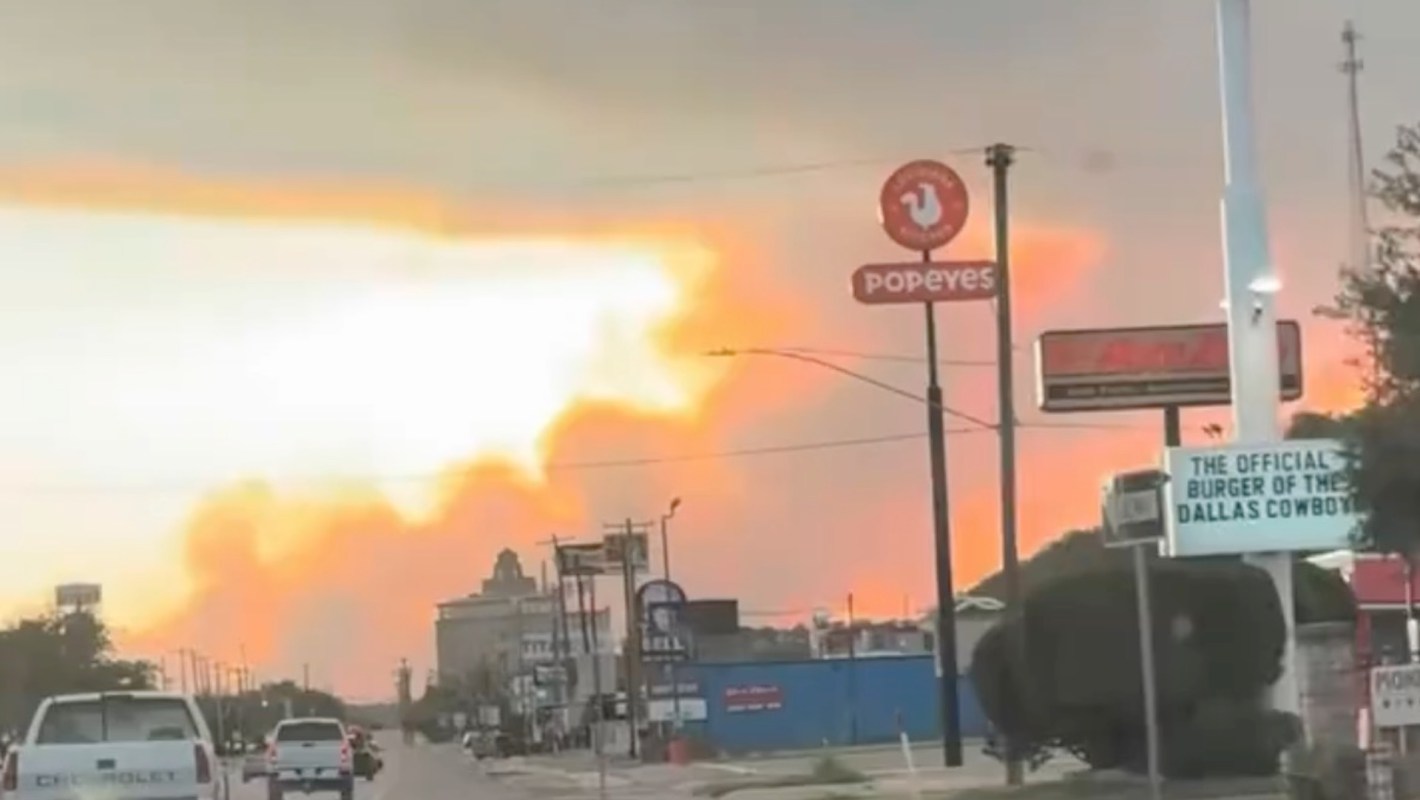
A first-person video from Texas is turning heads online after sharing harrowing footage of a community being inundated with wildfire smoke.
Here's what to know
The video came from a creator in Texas, who posted as the Ross Fire moved through the region. In the TikTok post's caption, the creator noted that over 4,000 acres have burned.
@bbghopee Over 4,000+ acres have burnt down. We need to keep these family and firefighters in our prays yall!#palopinto #mineralwells #wildfires #prayer ♬ original sound - 𝐌𝐢𝐥𝐥𝐢𝐞𝐌𝐚𝐞🦢'
The footage centers on the Palo Pinto-Mineral Wells area, where the person behind the post said the blaze had already burned past 4,000 acres.
More background
Wildfires can spread at frightening speed, especially when dry vegetation, heat, and wind line up. In areas with open land and scattered communities, that can leave families, drivers, ranchers, and first responders dealing with rapidly changing conditions.
Worsening extreme weather disasters endanger lives and livelihoods by increasing the risk of injury, exposure to smoke, displacement, and property damage. They also threaten economic stability by disrupting work, closing businesses, damaging infrastructure, and forcing households to absorb sudden costs associated with evacuation, cleanup, or rebuilding.
Wildfire risk is increasingly a public health and community safety issue. Even when flames do not reach every home, smoke and emergency disruptions can affect entire regions.
TCD Picks » Quince Spotlight
💡These best-sellers from Quince deliver affordable, sustainable luxury for all




What can be done?
When a fire is moving quickly, official evacuation orders and local emergency guidance should come first. People in threatened areas can protect themselves by keeping phones charged, preparing medications and important documents, and leaving early when authorities advise it.
Smoke safety matters too. Staying indoors, keeping windows closed, and limiting outdoor activity can help reduce exposure, especially for children, older adults, and people with asthma or other respiratory conditions.
Households can reduce risk by assembling a go-bag, creating a family evacuation plan, and reviewing insurance and emergency contacts before fire season intensifies. Communities can also invest in clearer alert systems, wildfire preparedness, and land management that reduces fuel buildup near neighborhoods.

Get TCD's free newsletters for easy tips, smart advice, and a chance to earn $5,000 toward home upgrades. To see more stories like this one, change your Google preferences here.