A solar-powered future can look deceptively simple online: add panels, batteries, and a little optimism.
One TikTok creator argued that the slowdown has less to do with panel production than with where those systems have to sit and the networks they have to plug into, especially on older roofs and grids built for a very different kind of electricity system.
Here's what to know
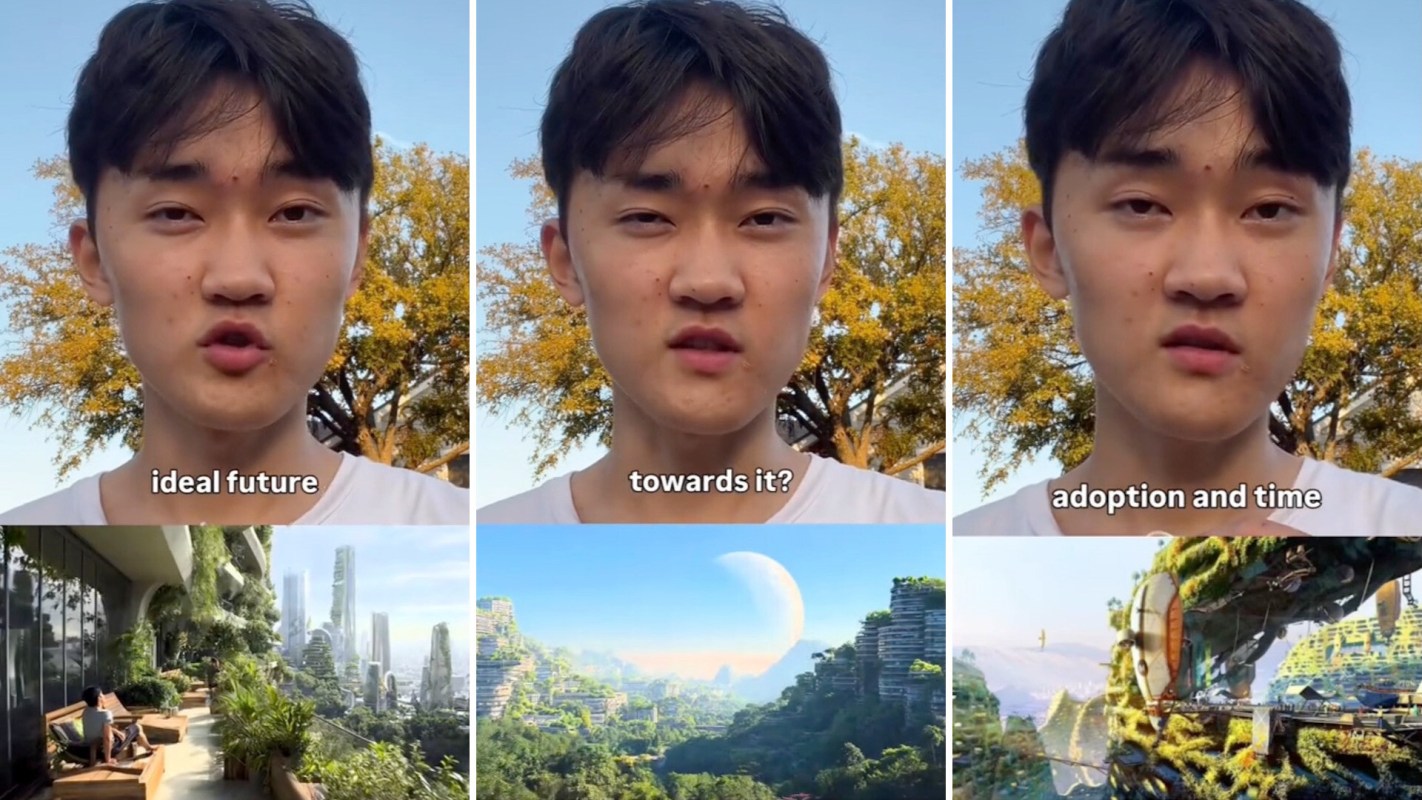
According to a TikTok video by Yachi (@yoiqino), the supply of raw materials is no longer the main thing holding solar back. "What might surprise you is what used to be our number one problem is actually already solved," they said, adding, "The resources to make solar panels are abundant, with supply chain restrictions being the only choke point."
@yoiqino the issue with solar power (and solarpunk)
♬ original sound - yachi 🌳
From there, the video shifts to the physical demands of putting panels on homes. "This might surprise you, but a 3 by 5 foot solar panel weighs about 50 pounds," Yachi said, making the case that many older houses would need upgrades before taking on that rooftop load.
The video then turns to how power moves once those systems are installed. Rather than being set up to absorb electricity from large numbers of homes with solar, many grids were designed to send power outward from a smaller number of centralized plants.
One commenter pushed back, writing, "So we can't move forward because of 50lbs added to a house… let's be real that's not the main issue."
TCD Picks » Quince Spotlight
💡These best-sellers from Quince deliver affordable, sustainable luxury for all




More background
The video taps into a broader tension in clean energy conversations, especially around the "solarpunk" future the creator references. That aesthetic can make the transition seem like a matter of willpower or manufacturing alone, when the physical realities of housing and infrastructure are far messier.
Rooftop solar does not begin and end with the panel itself. A home needs a roof that can safely support the system, and utilities need local wires, transformers, and interconnection processes that can handle more distributed generation.
In Yachi's framing, storage is not the missing piece of the puzzle. The bigger lag, they suggest, is in the systems around those batteries and panels.
Some commenters saw the slowdown as structural in an even broader sense. One wrote, "The power dynamics of capitalism does not allow solar punk to happen. We need a different system."
Whether the blame falls on economics, permitting, utility planning, or aging homes, the discussion reflects a broader frustration with how slowly energy transitions progress.
What can be done?
The first practical step is figuring out whether solar is a good fit for the building. A roof inspection can help determine structural readiness, the remaining life of the roof, and whether reinforcements or replacement may be needed before panels are installed.
At a broader level, utilities and local governments can help by upgrading distribution systems and preparing for more two-way energy flows. If more households are going to produce electricity, the grid has to be able to receive and manage it safely.
Storage can also play a supporting role. Batteries can help households or facilities hold onto daytime solar power for later use, making decentralized systems more useful even when sunlight is not constant.
In Yachi's view, the central challenge is no longer simply producing enough panels. "We just now need adoption and time to catch up."

Get TCD's free newsletters for easy tips, smart advice, and a chance to earn $5,000 toward home upgrades. To see more stories like this one, change your Google preferences here.