


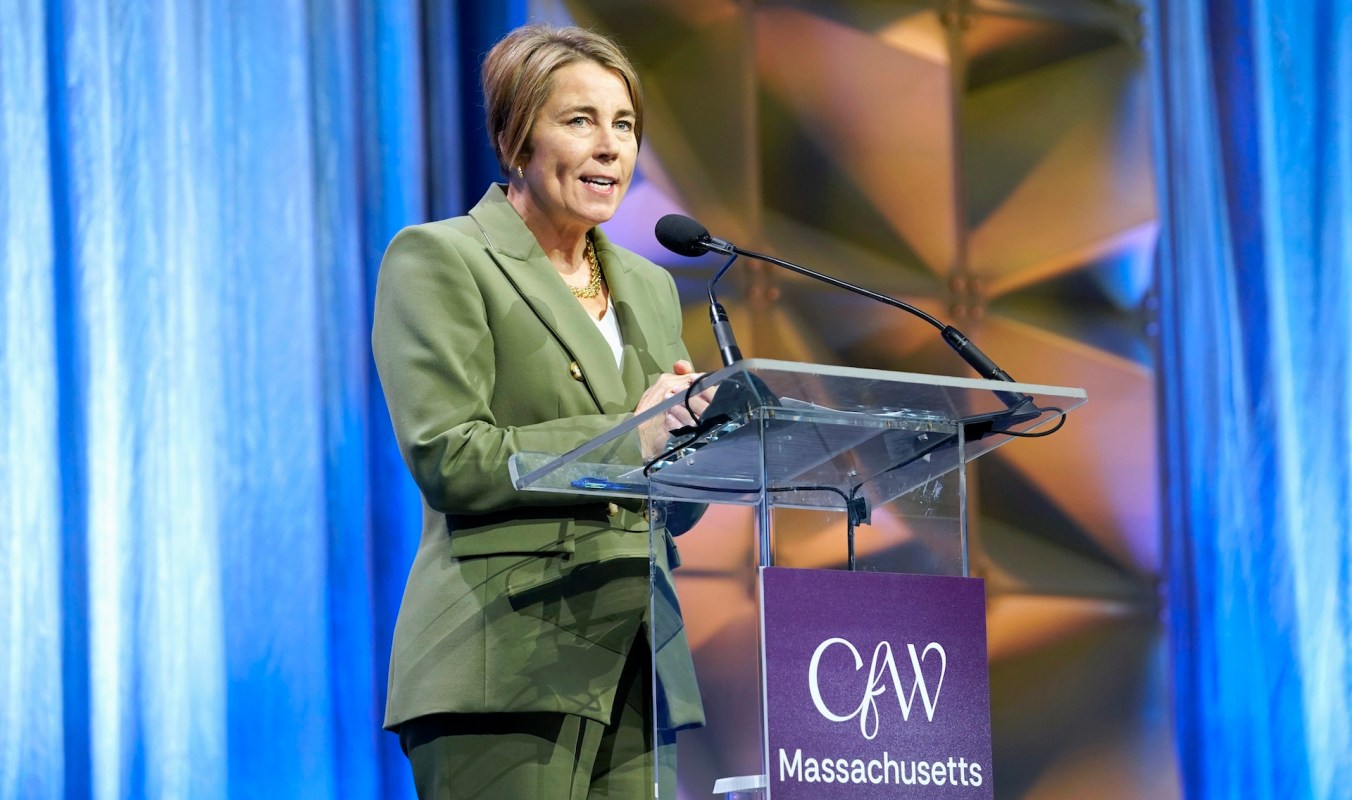
Massachusetts Gov. Maura Healey is preparing to bring New England governors together to examine whether advanced nuclear and fusion technologies could help lower electric bills.
Healey will host a regional summit on Sept. 30 at UMass Lowell's Rist Institute for Sustainability and Energy to address the question.
"Massachusetts is taking an all-of-the-above approach to energy because families and businesses need more affordable, reliable power," Healey said, according to the Lowell Sun. "This summit is about bringing people together, looking seriously at these technologies and how they can help lower bills, and making sure our region is prepared to lead as our energy needs grow."
Here's what to know
The Healey administration has been advocating for this since last fall and said the effort aims to expand supply, support reliable service, and reduce electricity costs for households and businesses.
The September summit came from a regional agreement reached in March, when New England governors said they would work together on energy planning. That commitment included support for the continued safe, affordable, and reliable operation of current nuclear plants, along with further exploration of advanced nuclear and fusion technologies.
According to the administration, New England's two active nuclear plants — Millstone Nuclear Power Station in Connecticut and Seabrook Station Nuclear Power Plant in New Hampshire — generate roughly one-fifth to one-quarter of the region's electricity each year.
TCD Picks » Quince Spotlight
💡These best-sellers from Quince deliver affordable, sustainable luxury for all




With electricity demand increasing, states are seeking power sources that can operate reliably regardless of weather conditions. Supporters of nuclear energy say it can provide large amounts of low-pollution electricity, strengthen energy security, and reduce exposure to volatile fuel markets.
At the same time, new reactors and related infrastructure can require major upfront investments and long development timelines, while waste handling and emergency planning remain sensitive concerns. There are also broader questions about public acceptance and the potential misuse of nuclear materials and expertise.
Fusion adds another layer of uncertainty. It has drawn significant interest because it promises abundant power, but commercial fusion is still under development rather than widely deployed.
What's being done?
The Healey administration said UMass Lowell and MIT are home to two of the country's 25 nuclear research reactors, which should help the conversation in September. Officials also pointed to MIT's Plasma Science and Fusion Center and said Commonwealth Fusion Systems employs nearly 1,000 people in Devens.
"As demand for electricity grows, we need to be looking ahead at new technologies that can help us bring more reliable, affordable energy to our residents and businesses," Lt. Gov. Kim Driscoll said, according to the Lowell Sun.

Get TCD's free newsletters for easy tips, smart advice, and a chance to earn $5,000 toward home upgrades. To see more stories like this one, change your Google preferences here.






