


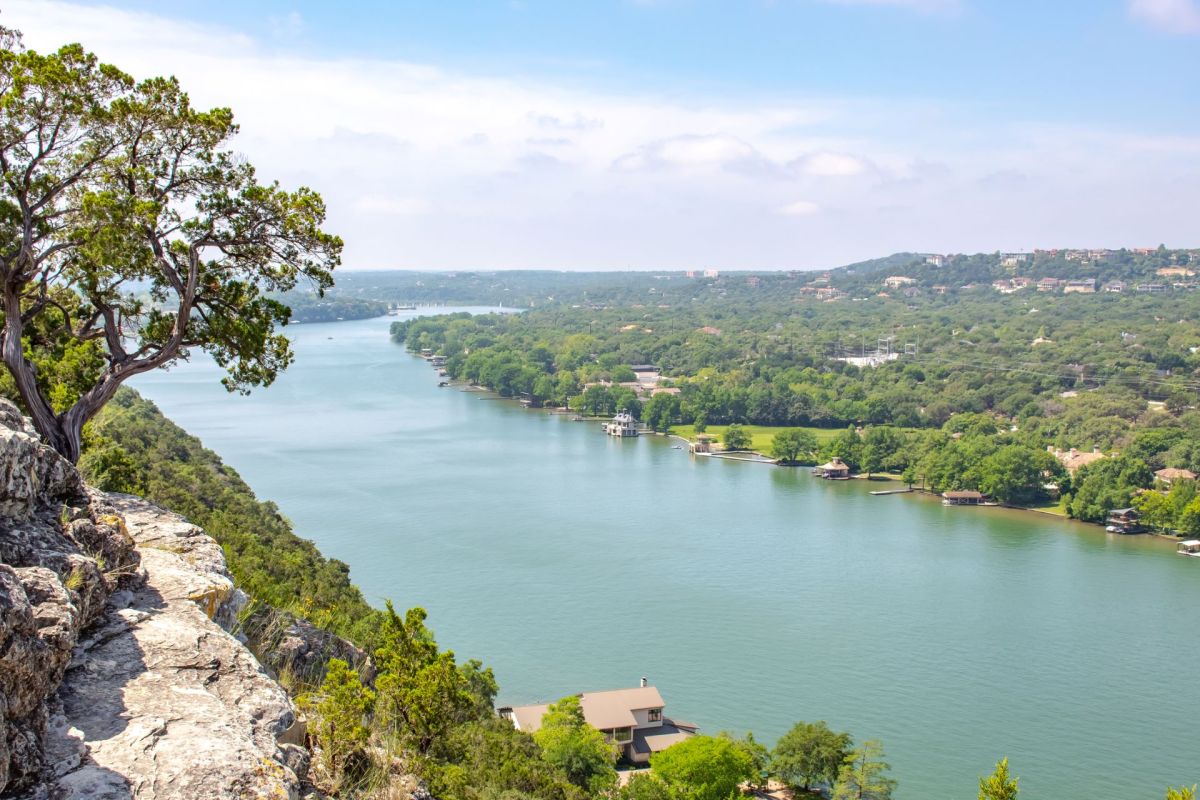
Lake Austin is dealing with fast-growing hydrilla — an invasive aquatic plant whose spread is nearing an all-time high in the reservoir, KUT reported.
Here's what to know
Hydrilla now covers nearly as much of Lake Austin as it ever has, according to an Austin Watershed Protection memo to the City Council cited by KUT. The renewed growth comes with concerns far beyond the shoreline.
The plant can foul boat motors and throw the lake's ecosystem out of balance. In addition, unchecked overgrowth can damage water quality, crowd out native species, and make a popular community resource harder to use for boating, fishing, and everyday recreation.
Texas has been dealing with hydrilla for many years. Patrick Ireland, a district fisheries biologist with the Texas Parks and Wildlife Department, told KUT the invasive plant has been found in waterways around the state for decades. "I think I've read that half of Texas public reservoirs have had hydrilla at some point or another," he said.
Drought appears to be a key factor in Lake Austin's outbreak. Ireland said hydrilla does especially well when the water is warm, nutrient-rich, and relatively still.
More background
Hydrilla has been known to disappear on its own, but Lake Austin has not seen that kind of natural retreat.
TCD Picks » Quince Spotlight
💡These best-sellers from Quince deliver affordable, sustainable luxury for all




An earlier boom of the plant came during the prolonged drought of the early 2010s, when reduced flow created conditions to help it spread. The city eventually got it under control, and hydrilla had been eliminated from the lake by 2014.
In 2025, the plant started coming back along with the droughts.
What's being done?
City and watershed officials are weighing management options as hydrilla continues to spread, but it has been more difficult because of the drought.
Brent Bellinger, conservation program supervisor with Austin Watershed Protection, told KUT one way to manage hydrilla is to lower reservoir water levels, which becomes much tougher in dry conditions, when strained water supplies leave less room to draw down a reservoir for vegetation control.
"Unfortunately, during the drought period, they weren't able to do any lowering," Bellinger said.
With no major check on its growth, hydrilla had more space to spread.
In the past, they released a fish called grass carp into the water, but because of the extended drought period, hydrilla growth outpaced what the carp could eat. So they brought in more carp, which caused a domino effect of negative repercussions when they ran out of hydrilla to eat. They ate almost all of the vegetation in the lake, reducing habitats and water quality. Native vegetation just made a comeback in 2022. Unfortunately, so has hydrilla, and the city of Austin has resumed carp stocking more cautiously.
"We don't want to repeat what happened in 2012, 2013," Bellinger said. "Overreact, overstock. And so we're trying to balance, meeting the needs of the reservoir, the uses, these types of things, and balance those out."
Ireland is hopeful rain could be the hero. "I think if nature cooperates and we get flows from Lake Travis through, that can actually act as a natural mitigation. So that's one of the things we watch. Maybe this El Niño year will provide that," Ireland said.

Get TCD's free newsletters for easy tips, smart advice, and a chance to earn $5,000 toward home upgrades. To see more stories like this one, change your Google preferences here.







