


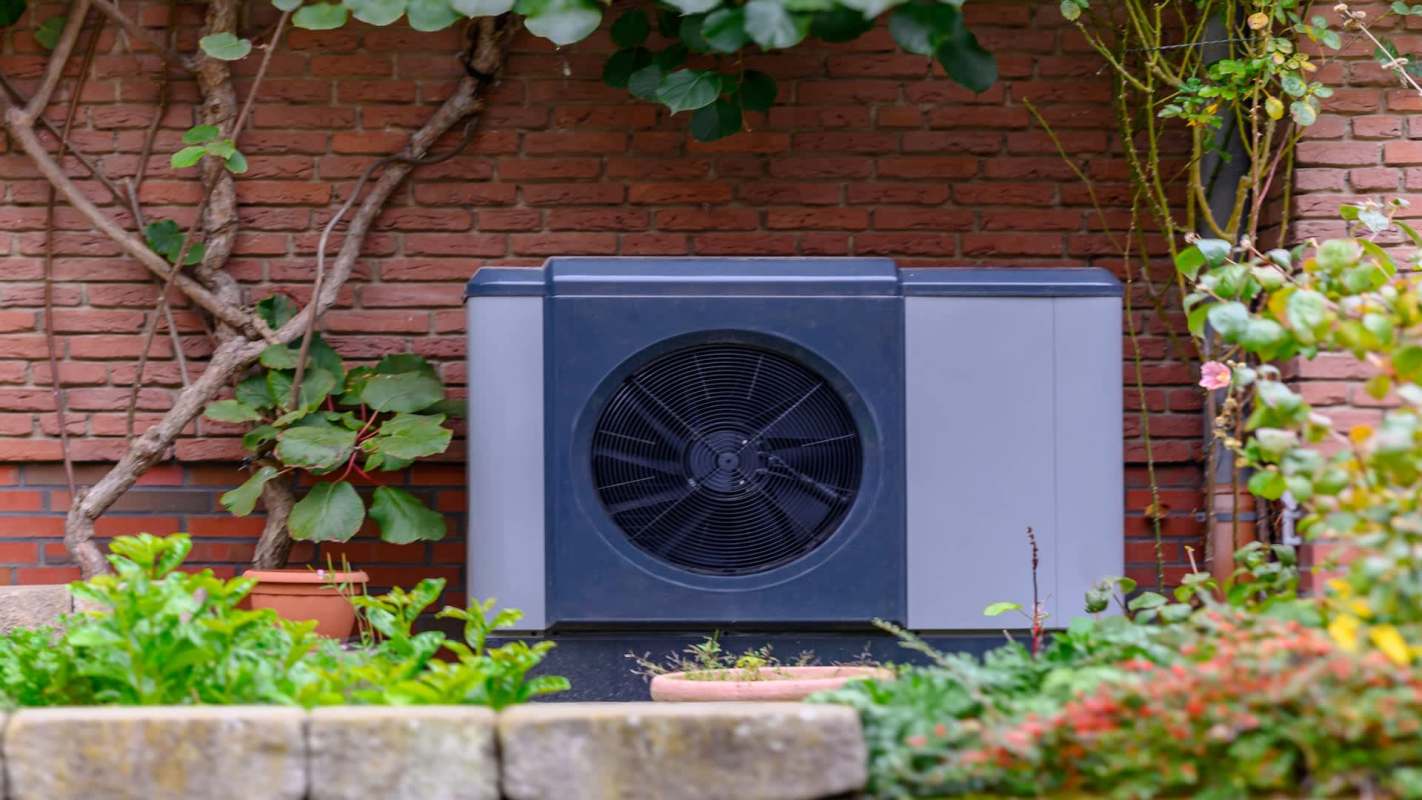
In the United Kingdom, hotter summers are pushing more homes into dangerous, exhausting conditions, and some residents are discovering that heat pumps can do more than warm a house in winter.
Andrew Ingram, who lives in Maidenhead, Berkshire, said his system can keep the living room at 70 degrees Fahrenheit (21 degrees Celsius) even when temperatures outside reach 95 degrees Fahrenheit (35 degrees Celsius).
Here's what to know
After he and his wife replaced their gas boiler in 2023, they installed a fan coil unit in the room that overheats the most.
The complete home energy upgrade cost about £18,600 ($25,000), with roughly £1,700 ($2,300) spent on cooling, and Ingram said the feature has been "a revelation."
Rather than creating heat by burning fuel, heat pumps transfer it from one place to another, and some models can reverse that process to cool indoor spaces, The Guardian reported.
In England and Wales, the boiler upgrade scheme offers £7,500 ($10,200) for eligible air-to-water or ground-to-water systems, plus another £1,500 ($2,000) for homes that are not on the gas grid. The U.K. government is also set to offer £2,500 ($3,400) grants for air-to-air systems that can both heat and cool.
If you're trying to figure out what kind of upgrade makes sense for your home, Palmetto's Comfort Plan network can help you find efficient heating and cooling solutions and connect you with vetted installers. For many households, upgrading heating and cooling systems is one of the best ways to save money on utility bills and protect yourself against rising energy prices.
More background
As overheating becomes a much larger household problem, interest in these systems is growing. A Climate Change Committee report cited by The Guardian said that by 2050, 92% of existing U.K. homes could overheat during hotter heat waves, and passive steps such as opening windows or closing curtains may not be enough.
Crushed by your bills? See instant solar savings from vetted installers in just a few clicks With energy prices through the roof, there's never been a better time to go solar — and EasyHome can help you find the best prices from the best installers in your area. EasyHome takes the guesswork and headaches out of energy upgrades by showing you estimated savings from a network of vetted local partners. To get started, just enter your ZIP and share a few details about your home — seeing your estimate is really that easy. |

Testing has also shown that using heat pumps for cooling can work in real-world conditions. At the University of Salford's Energy House 2.0, researchers combined a heat pump with fan coils in a modern test home.
With the outdoor temperature simulated at 89.6 degrees Fahrenheit (32 degrees Celsius), indoor rooms remained between 66.2 degrees Fahrenheit (19 degrees Celsius) and 76.8 degrees Fahrenheit (24.9 degrees Celsius), and running the system through the day cost about £2.50 to £3 ($3.40 to $4.08).
Leading that research, Professor Lubo Jankovic said the findings "demonstrate that reversible heat pumps can play an important role in protecting future homes against overheating."
What can be done?
Through its "visit a heat pump" program, the charity Nesta offers tours of more than 1,200 homes, letting people ask owners directly what worked, what cost extra, and how they handle issues such as condensation and tariffs.
Cost remains the biggest hurdle for many households, which is why choosing the right installer and financing plan matters. If you're not ready to spend upfront, Palmetto's Comfort Plans include $0-down options that can lower your heating and cooling costs by up to 50%, along with 12 years of free maintenance.
You can also push your savings further by pairing solar panels with electric appliances such as efficient HVAC systems and heat pumps. EnergySage makes it easy to find the best solar system and installer for your home and budget, saving you up to $10,000. That kind of setup can make it much easier to run electric heating and cooling on cheaper power.
For Ingram, the benefit of the upgrade is already obvious: "You know those times when you are really feeling exhausted and want to sit somewhere cool. We turn it right down and then let the temperature drift back up again."

Get TCD's free newsletters for easy tips, smart advice, and a chance to earn $5,000 toward home upgrades. To see more stories like this one, change your Google preferences here.






