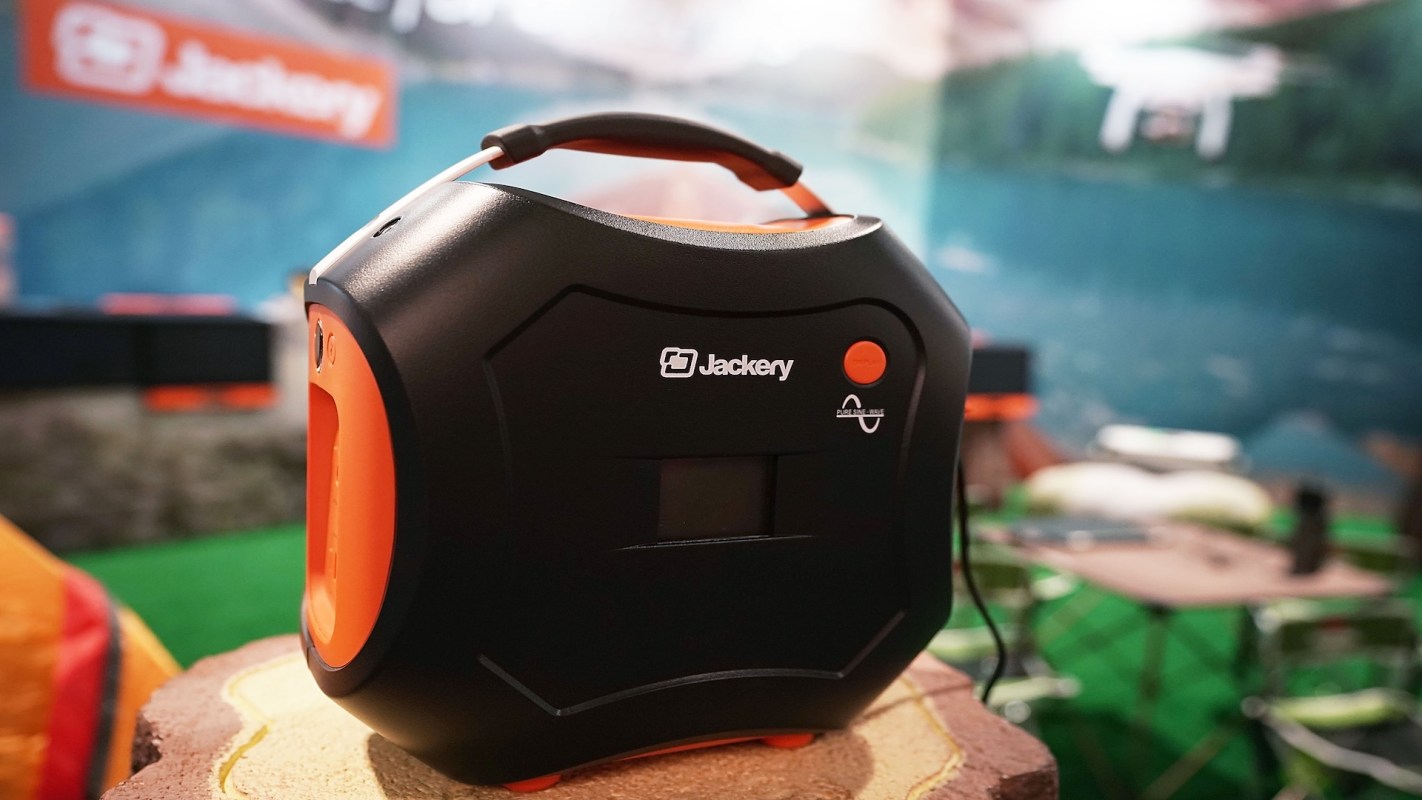
For homeowners putting together an outage plan, one of the toughest questions is whether it makes more sense to buy extra battery capacity or spend more on a second fully functional backup unit.
That's exactly the dilemma a Jackery 5000 Plus owner raised on Reddit while trying to decide whether paying about $600 more for another full system was a better move than buying an expansion battery.
Here's what to know
On Reddit, the OP said they already had "one 5000 Plus and the smart switch" and wanted to expand "to be ready for a longer than expected grid failure."
Because the price difference was only around $600, the core decision was whether added storage alone was enough or whether another complete power station offered more useful flexibility.
Commenters largely favored redundancy.
One user said, "Redundancy is more important than larger capacity, imo."
That matched what the OP said: "My thinking is that I get another 5000 Plus then if I need more storage I can add expansion to one or both of the 5000 Plus."
Adding battery storage is one of the most effective ways to prepare for outages. It can also help lower energy costs and give households a more practical path toward going off-grid by storing electricity for later use.
Save $10,000 on solar panels without even sharing your phone number Want to go solar but not sure who to trust? EnergySage has your back with free and transparent quotes from fully vetted providers in your area. To get started, just answer a few questions about your home — no phone number required. Within a day or two, EnergySage will email you the best options for your needs, and their expert advisers can help you compare quotes and pick a winner. Solar panels can save you more than $50k over their 25-year lifespan, and EnergySage can help you save as much as $10k on installation. Which begs the question — isn't that worth an email or two? |

If you're weighing your own options, it may be worth exploring EnergySage to get information about home battery storage solutions.
More background
Buyers are often deciding between capacity and resilience, not simply picking the biggest battery available.
The expansion pack's main appeal is its lower cost, but it still needs the primary unit in order to work. A second full power station, meanwhile, adds a separate portable system that can run on its own.
If one unit runs into a problem, a second complete system can still keep essential devices powered. It also gives households more flexibility to split loads between rooms, appliances, or even separate locations.
That setup has a downside, though. As some users noted in the thread, operating two inverters can raise standby power use, so the more redundant option is not always the most efficient one.
For many shoppers, backup planning is about avoiding a single point of failure. That can be especially important for anyone depending on stored power for refrigeration, medical equipment, communications, or well pumps.
What can be done?
Outage planning comes down to what absolutely has to stay on, for how long, and whether portability matters. For some homes, a modular add-on may be enough. For others, a second standalone unit may be a better fit.
It is also worth comparing plug-and-play systems with whole-home options before making a purchase, including Pila.
For larger setups, gathering multiple quotes can help clarify whether added storage, a second inverter, or a more integrated home battery system will offer the best value. That kind of comparison can be especially useful when the price gap is only a few hundred dollars, but the practical benefits may be much greater.

Get TCD's free newsletters for easy tips, smart advice, and a chance to earn $5,000 toward home upgrades. To see more stories like this one, change your Google preferences here.