


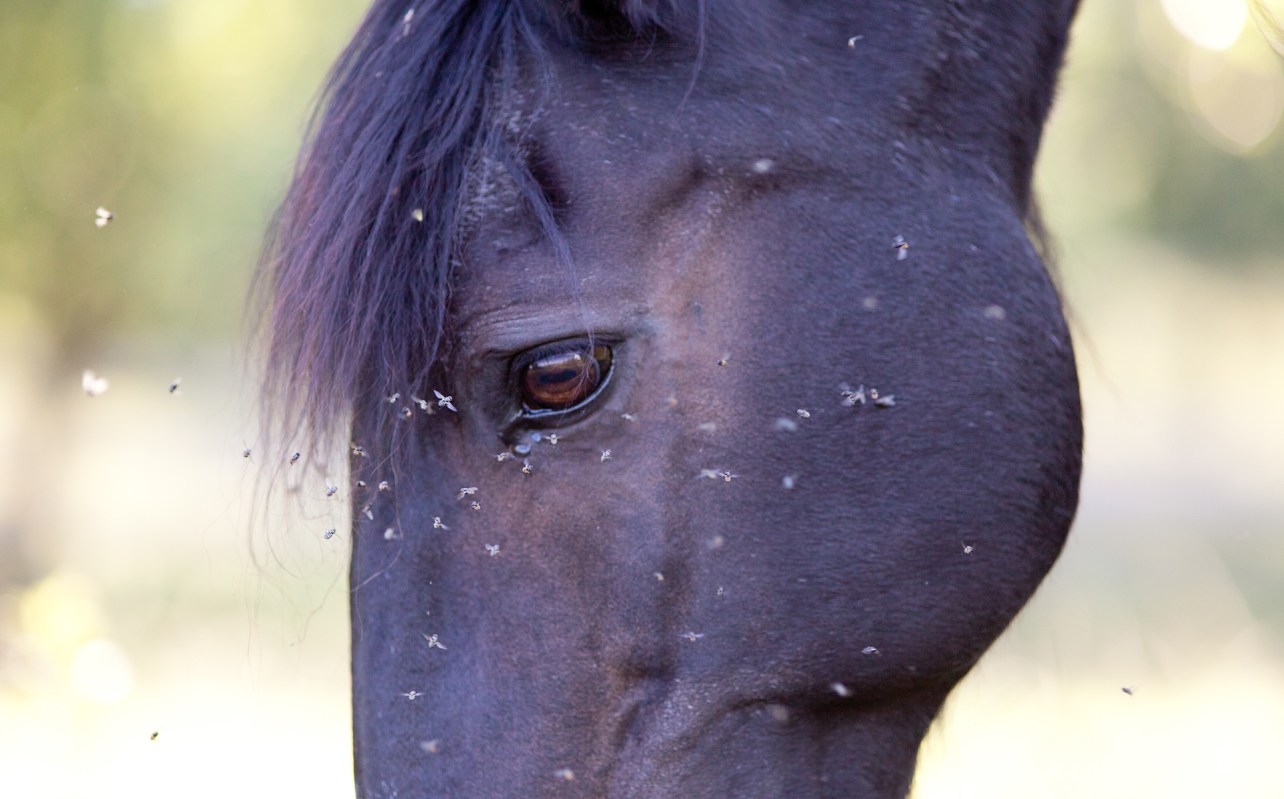
Minnesota recorded its first confirmed West Nile virus case of 2026 in a horse. Mosquito samples also tested positive in three counties — an early sign that the state's peak risk season is drawing closer.
Here's what to know
According to Fox 9, the first case of West Nile involved an unvaccinated 3-year-old Standardbred gelding in Polk County. The Minnesota Board of Animal Health said the animal showed neurological symptoms, including weakness and coordination trouble, and even collapsed during an exam.
After the horse was treated with steroids by its veterinarian, it improved within a few days. It is now recovering with supportive care.
Officials also found West Nile virus in mosquito samples from three counties. Fox 9 reported that infected horses cannot pass the virus to people or other horses but that the case does indicate the virus is circulating in the environment.
West Nile is spread through birds and mosquitoes. Birds carry it, mosquitoes acquire it after feeding on infected birds, and mosquitoes can transmit it to horses and people through bites.
More background
In Minnesota, West Nile virus follows a seasonal pattern, with late summer usually bringing the highest level of risk. A confirmed case can serve as a warning before mosquito activity reaches its busiest period.
TCD Picks » Quince Spotlight
💡These best-sellers from Quince deliver affordable, sustainable luxury for all




The Board of Animal Health said routine vaccination prevents illness in horses, and officials emphasized that many equine infections are connected to missed or incomplete vaccinations. Cases in animals can also act as markers that show where transmission is already occurring.
For people, the key issue is preventing mosquito bites. West Nile is a vector-borne disease, meaning mosquitoes are the route that carries the virus from infected birds to other hosts.
What can be done?
Residents can reduce risk by taking standard precautions. That includes using insect repellent, wearing long sleeves and pants, and spending less time outdoors when mosquitoes are most active.
It also helps to eliminate breeding spots by dumping standing water from buckets, flowerpots, birdbaths, and other outdoor containers. Keeping window screens in good condition adds another layer of protection.

Get TCD's free newsletters for easy tips, smart advice, and a chance to earn $5,000 toward home upgrades. To see more stories like this one, change your Google preferences here.






