


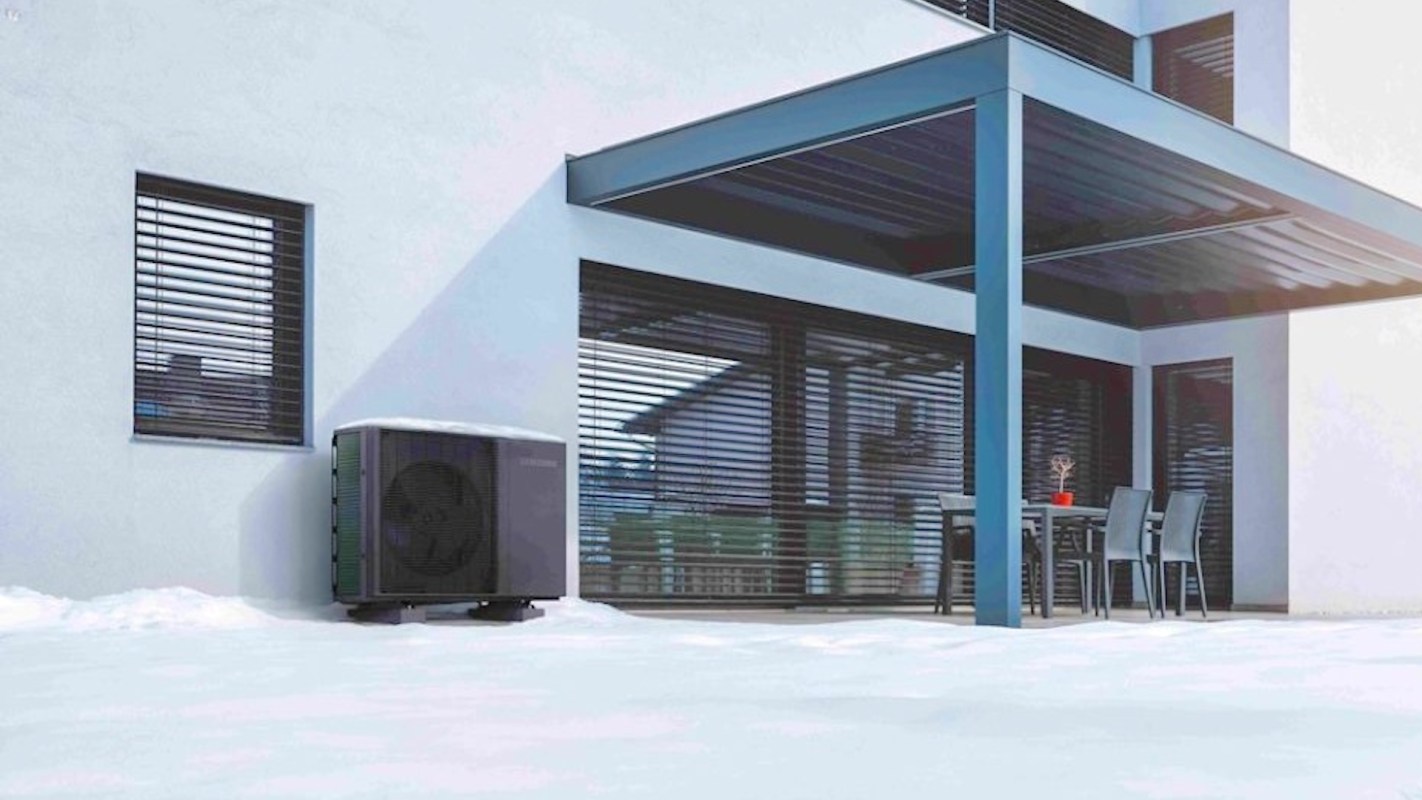
Heat pumps already offer a cleaner and often cheaper way to heat and cool a home, but concerns over how they will perform in frigid conditions continue to crop up in colder regions.
Samsung and Oak Ridge National Laboratory are working to definitively answer any critics with a heat pump system designed for ultra-severe winter conditions.
Here's what to know
According to pv magazine, at the center of the effort is a cold-climate vapor-compression heat pump that Samsung said is meant to keep heating performance stable even below minus-22 degrees Fahrenheit (minus-30 degrees Celsius).
The work is being tested through a joint research project with the U.S. Department of Energy's Oak Ridge National Laboratory. Rather than creating heat from scratch, vapor-compression systems transfer heat from one place to another. In this case, refrigerant takes in heat from outdoor air, which is then compressed into a hot, high-pressure gas. It is later released indoors as warmth through a heat exchanger.
That process becomes more difficult as outdoor temperatures drop and efficiency starts to fade. To counter that, Samsung is using a rotary scroll compressor together with flash injection, a combination intended to reduce energy losses, prevent overheating, and improve reliability during long periods of extreme cold.
Upgrading a heating and cooling system can lower utility bills and reduce exposure to rising energy prices. If you want help sorting through your options, Palmetto's Comfort Plan can help you find efficient heating and cooling solutions for your home and connect you with vetted installers.
More background
Cold-weather performance has long been one of the biggest sticking points for heat pump adoption in northern parts of the U.S. Many homeowners still worry that an electric system will not keep up during deep freezes, even as newer models continue to improve.
The technology is set to be tested at the Field Test Lab in Fairbanks, Alaska, where the average monthly minimum temperature is around minus-40 degrees Fahrenheit (minus-40 degrees Celsius). Success could help build confidence among households in other frigid climates.
Crushed by your bills? See instant solar savings from vetted installers in just a few clicks With energy prices through the roof, there's never been a better time to go solar — and EasyHome can help you find the best prices from the best installers in your area. EasyHome takes the guesswork and headaches out of energy upgrades by showing you estimated savings from a network of vetted local partners. To get started, just enter your ZIP and share a few details about your home — seeing your estimate is really that easy. |

"This collaboration will be an important opportunity to prove Samsung's unique high-efficiency technology and device reliability in a cryogenic environment," commented Sung-taek Lim, vice president of Samsung Electronics' DA division, according to pv magazine.
What's being done?
Samsung's design targets the issue many homeowners care about most. That is whether a heat pump can provide steady heat when winter is at its worst. If the testing is successful, it could lead to products that make switching away from conventional furnaces easier and less risky.
Better cold-climate heat pumps could mean fewer tradeoffs. A system that stays efficient through harsh winters can reduce dependence on gas or oil heating, cut household pollution, and potentially lower monthly energy costs while still keeping homes comfortable.
If you're interested in lowering your bills but aren't ready to spend a lot up front, Palmetto's Comfort Plan includes $0-down options that can lower your heating and cooling costs by up to 50%. The plans also include 12 years of free maintenance, which can make an efficient HVAC upgrade more manageable.
You can also pair solar panels with electric appliances, such as efficient HVAC systems, to push your utility costs even lower. EnergySage makes it easy to find the best solar system and installer for your home and budget, saving you up to $10,000 on installations.

Get TCD's free newsletters for easy tips, smart advice, and a chance to earn $5,000 toward home upgrades. To see more stories like this one, change your Google preferences here.






