


For years, one of the smartest ways to cut utility bills has remained out of reach for many households. If you rent, move often, or simply cannot take on a major home upgrade, a traditional heat pump has typically been too expensive or too permanent.
That is why plug-in window heat pumps are drawing attention.
Here's what to know
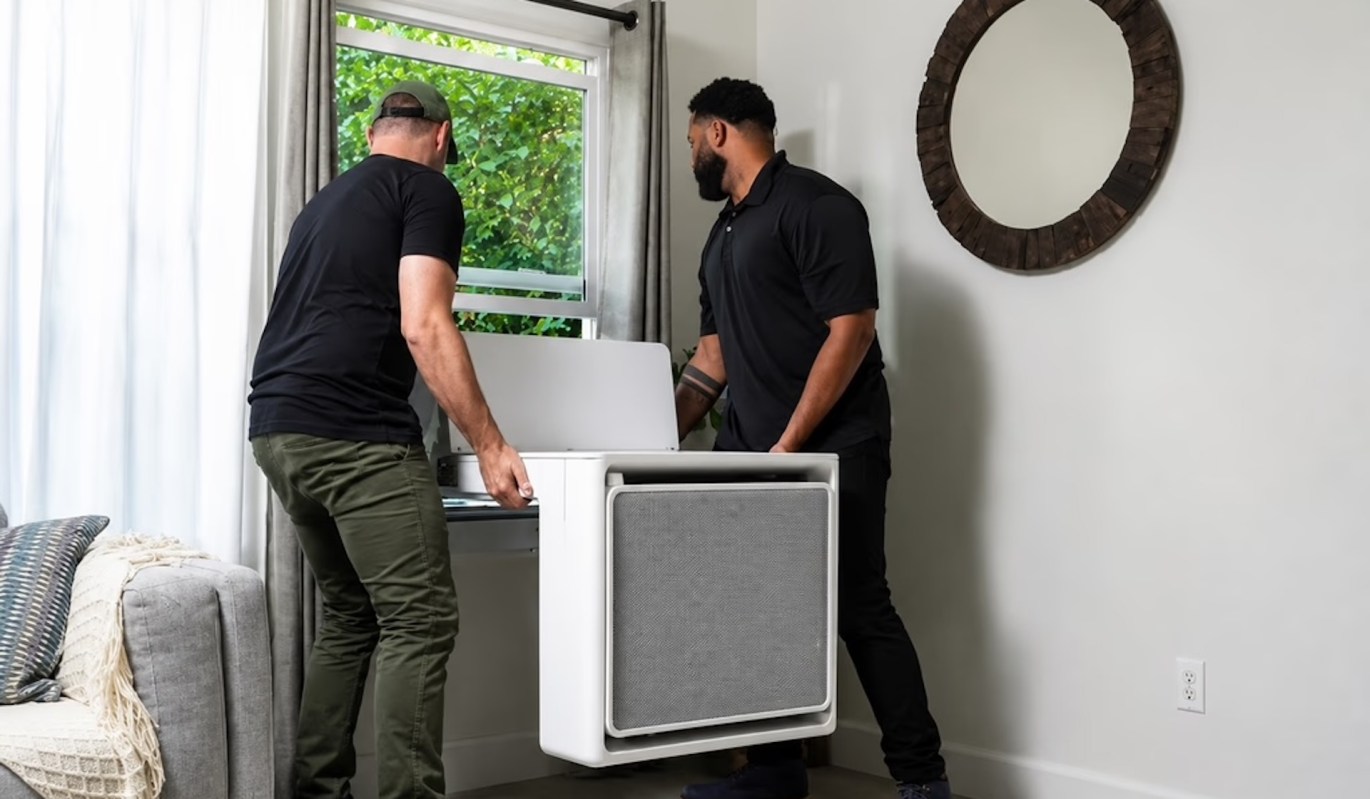
In a Conversation article by Moncef Krarti that was republished by The Independent, window heat pumps are described as a new arrival in the U.S. market. Like a window air conditioner, one of these units can be installed without professional help and plugged into a regular wall outlet.
Unlike a standard window AC, though, it can warm a room as well as cool it. That makes the format especially useful for renters and for people who are not in a position to install permanent equipment.
Cost is another reason they stand out. The Conversation said installation alone for a permanent mini-split can reach $10,000, while a window heat pump typically costs about $3,000 to $4,000 and can be taken to a new home after a move.
The energy stakes are sizable: Heating and cooling buildings use 35% of all energy consumed in the U.S. each year. Heat pumps transfer heat instead of producing it, and they can provide comparable heating and cooling while using less than half the electricity required by space heaters, furnaces, and baseboard heaters.
More background
One reason traditional heat pumps have been hard for some households to adopt is that they generally involve permanent installation, large equipment, and a contractor. Window versions remove part of that burden, which could broaden access to efficient heating and cooling.
There are limits, though. The number of available products is still small, and these units are not yet strong enough to handle very large spaces by themselves. A whole-home heat pump can range from 12,000 to 60,000 British thermal units, while window models reach only about 9,000 BTU.
Crushed by your bills? See instant solar savings from vetted installers in just a few clicks With energy prices through the roof, there's never been a better time to go solar — and EasyHome can help you find the best prices from the best installers in your area. EasyHome takes the guesswork and headaches out of energy upgrades by showing you estimated savings from a network of vetted local partners. To get started, just enter your ZIP and share a few details about your home — seeing your estimate is really that easy. |

They also lose efficiency in extremely cold weather. And although federal support for this type of equipment expired in 2025, some states, local governments, and utility companies may still offer rebates to lower the cost.
Lower installation costs combined with lower electricity use can make a real difference for households trying to cool or heat a home without taking on steeper monthly bills.
What can be done?
Start by checking the size of the room that needs heating or cooling and whether the unit's BTU rating matches that space. It is also worth looking into local rebates, because regional incentives may still be available even after federal support ended.
If you own your home and are considering a larger upgrade, Palmetto's Comfort Plan has options that involve leasing the system to avoid the upfront cost. While that means paying monthly instead, it does also come with included maintenance and repairs as needed.
You can also push your energy costs even lower by pairing electric appliances with solar panels. EnergySage makes it easy to find the best solar system and installer for your home and budget, saving you up to $10,000 on installations.
A plug-in window heat pump will not replace every full-home system, but it could give renters and other households priced out of bigger upgrades a more realistic path to lower-cost heating and air conditioning.

Get TCD's free newsletters for easy tips, smart advice, and a chance to earn $5,000 toward home upgrades. To see more stories like this one, change your Google preferences here.






