


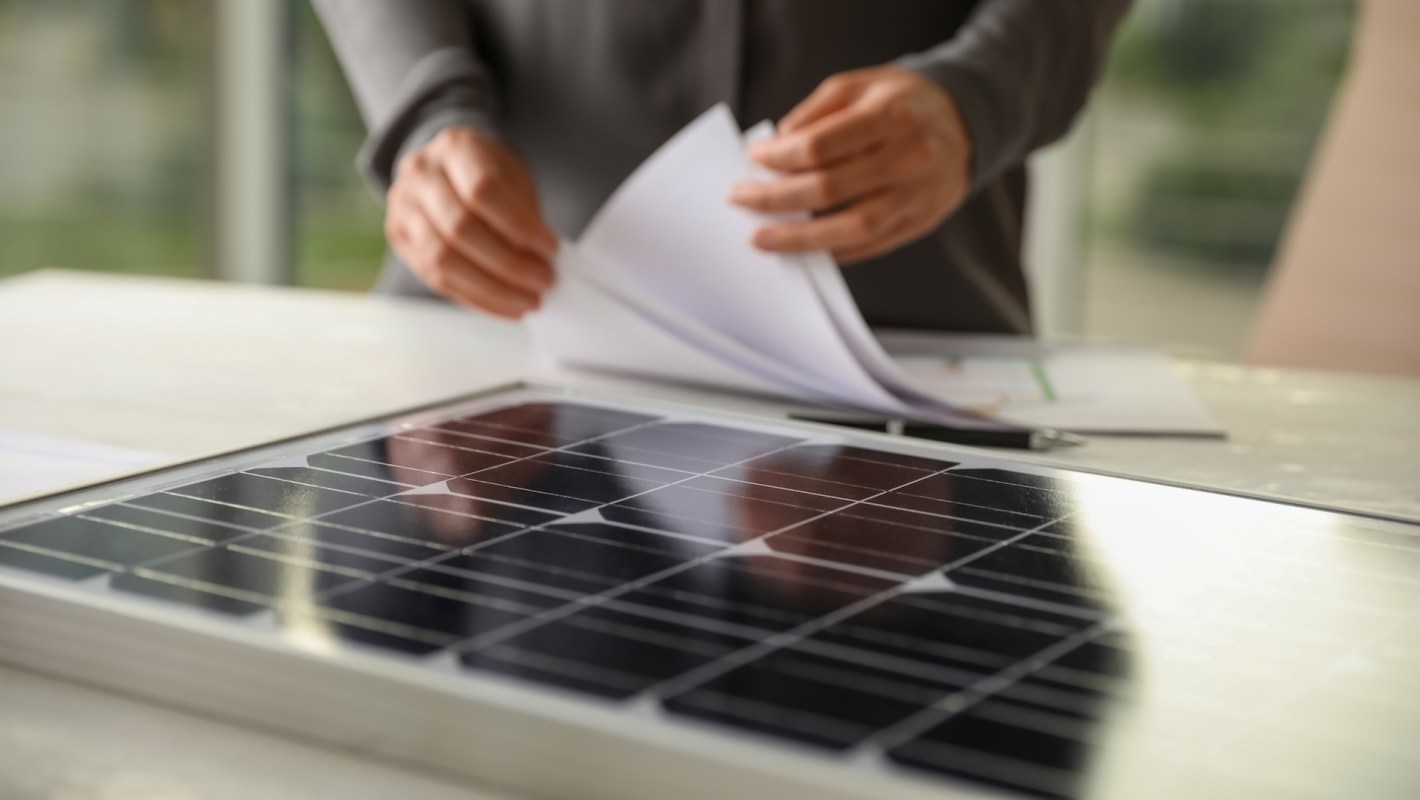
Buying a home with rooftop solar is supposed to feel like a bonus. For one buyer, it quickly became a paperwork maze involving app access fees, lender records, and a company that would not even speak to them.
The ordeal is a reminder that solar can save households real money — but only if ownership, monitoring, and utility credits actually transfer with the house.
Here's what to know
A new homeowner on Reddit said the solar panels on the property were presented as a perk and helped make the purchase more appealing.
The trouble began when the buyer tried to get system data through Enphase. In the post, the homeowner wrote: "I paid a small fee and nothing ever happened."
Things became even less clear after Enphase referred the buyer to Mosaic. Commenters said Mosaic is a solar lender rather than the company responsible for monitoring access, and the homeowner said Mosaic "would not speak to me at all because I was not the previous owner."
Trying to separate app access from legal ownership, one commenter wrote, "Enphase is the type of equipment and you want them to transfer the monitoring access to you. But that has nothing to do with ownership of the solar equipment."
Going solar is one of the best ways to save money on home energy, especially when buyers know exactly what contracts they are taking on. Homeowners shopping for a system can explore EnergySage to get free solar installation estimates and compare quotes.
More background
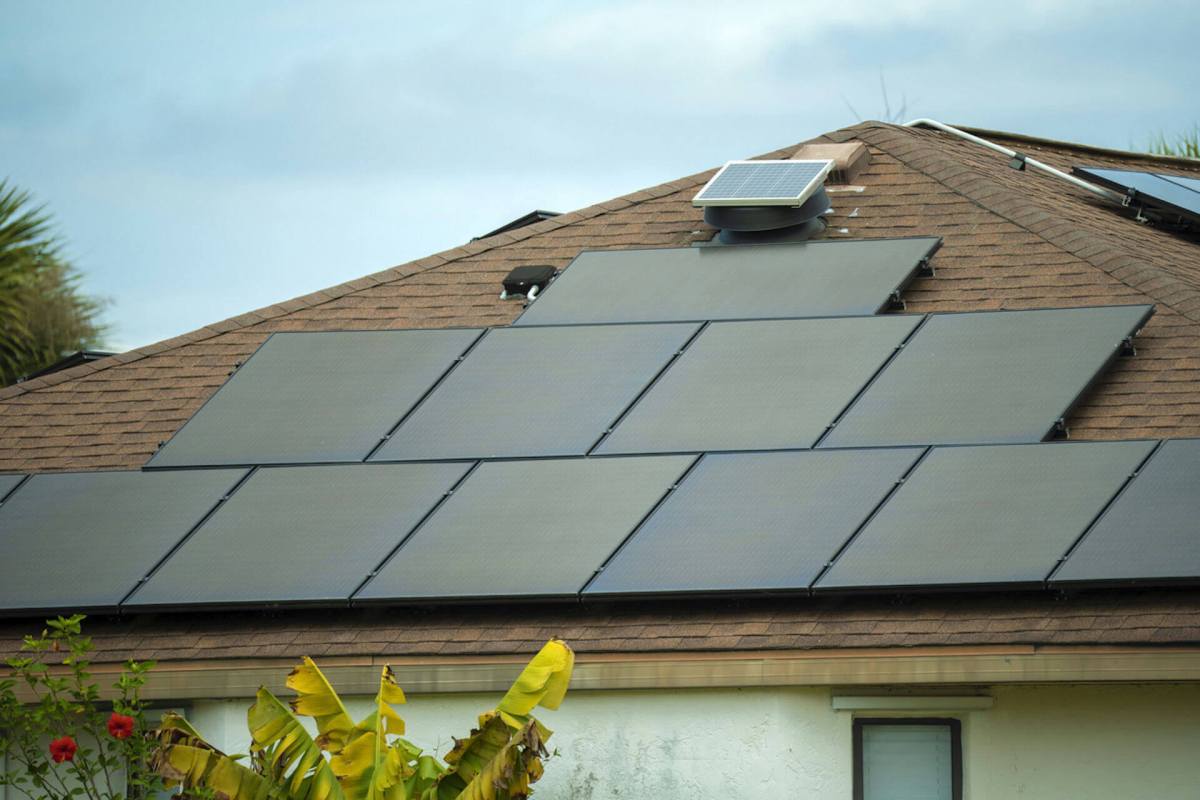
The thread shows how a solar setup can involve several separate handoffs during a home sale, including equipment monitoring, financing paperwork, and the utility agreement that determines whether the homeowner gets credit for extra power sent back to the grid.
Save $10,000 on solar panels without even sharing your phone number Want to go solar but not sure who to trust? EnergySage has your back with free and transparent quotes from fully vetted providers that can help you save as much as $10k on installation. To get started, just answer a few questions about your home — no phone number required. Within a day or two, EnergySage will email you the best local options for your needs, and their expert advisers can help you compare quotes and pick a winner. |

If any one of those pieces is left unresolved, the panels may still work, but the savings can become much harder to track.
The discussion also underscored that lower electric bills depend on more than just the hardware on the roof. One commenter noted that "there is also a contract with the electric utility that needs to be transferred to you. That's how you get paid for what you produce."
Other commenters urged the homeowner to review closing records and title paperwork to confirm whether the system was paid off or whether a loan remained attached to it.
As one commenter put it, "Review your closing documents and see if there is anything you missed regarding the solar transfer (loan, lease, etc)."
More From EnergySage
💡Go deep on the latest news and trends shaping the residential solar landscape



What can be done?
Commenters urged the homeowner to review the closing disclosure, contact the title company, and ask a real estate agent or attorney to verify whether the solar system was owned outright or financed.
Free comparison tools can also help buyers avoid costly mistakes up front. With EnergySage's help, the average person can save up to $10,000 on solar purchases and installations. EnergySage's solar map shows the average cost of a home solar panel system on a state-by-state level, as well as details on solar panel incentives for each state. Together, these resources can help you get the best price for rooftop solar panels and access available incentives.
Adding battery storage to a solar setup is one of the best ways to protect your home during outages, save money on energy, and go off-grid. It can also help homeowners use more of their own electricity rather than relying on the grid during expensive times. You can explore EnergySage for information about home battery storage options, including competitive installation estimates.
At the center of it all was the buyer's unresolved question: "I am now stuck in limbo and don't know what to do, can anyone please assist?"

Get TCD's free newsletters for easy tips, smart advice, and a chance to earn $5,000 toward home upgrades. To see more stories like this one, change your Google preferences here.






