


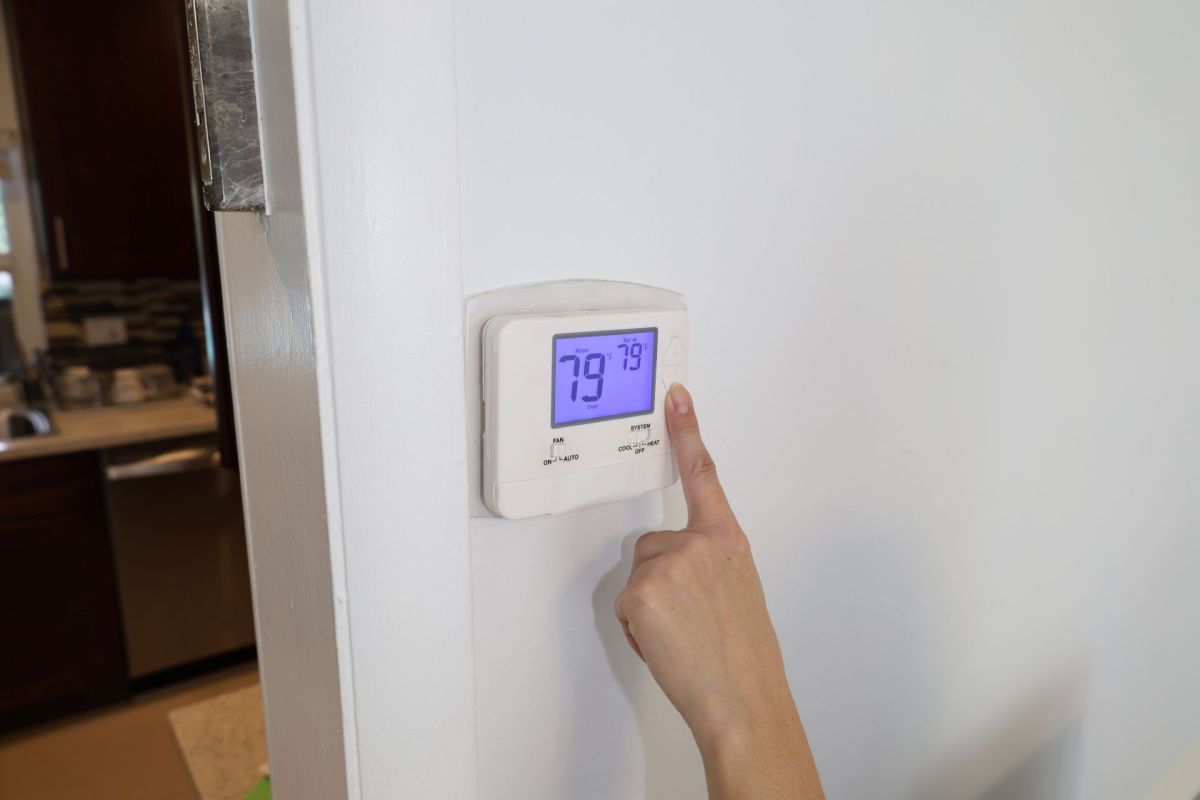
When a thermostat appears to be working, but the system does not actually respond, renters can be left enduring extreme heat while still believing they have control when they do not.
A New Jersey tenant is now telling the internet that the cooling in their home appears to cut out when their landlord leaves. The resident added that the thermostat has repeatedly been set to 80 degrees in the summer even though no one in the household seems to have changed it.
Here's what to know
In a post to Reddit's r/Tenant community, the original poster wrote that "every time I see him leave the house, the AC stops working; my thermostat says that it is running but no air comes from the vents." Essentially, OP was suggesting that the "landlord controls my thermostat."
The renter also said, "Once in a while I wake up to the thermostat being set to 80 (in the summer). I set it back, but then I find it on 80 again. I asked all my family; nobody touched it. What do I do?"
Early responses in the Reddit thread focused on whether the thermostat might simply be following a preset schedule. One commenter wrote, "He might not be changing it. It may be set automatically for different settings at different times."
That explanation became less likely after the poster added, "It is not a smart thermostat."
TCD Picks » Quince Spotlight
💡These best-sellers from Quince deliver affordable, sustainable luxury for all




The conversation then turned to the HVAC setup itself, and when asked if the unit was shared, the poster replied, "I think so, but he said we have our own thermostat."
More background
During hot weather, a thermostat set well above a comfortable temperature can make it harder to sleep, work, or care for children and older adults.
Renters can sometimes feel boxed in by rules they did not create. Across the country, tenants have described landlords or property managers blocking lifestyle changes such as planting food gardens, installing clotheslines to dry laundry, or making other simple home efficiency upgrades, like adding solar panels or a smart thermostat.
When renters cannot control their cooling, or are prevented from using low-cost practices that reduce energy bills, they can end up paying more while getting less comfort in return. Even when the legal situation is unclear, the practical outcome can look the same, resulting in less autonomy at home.
The thread also showed the complexity of the legal side of the matter in New Jersey, with some commenters questioning whether the facts clearly amounted to a violation and others saying the situation was serious enough to document and investigate further.
What can be done?
For renters facing a similar issue, the first step is often to gather evidence. That can include photos of thermostat settings, notes about when air stops flowing, screenshots of indoor temperatures, and copies of any messages sent to a landlord.
Advice in the discussion ranged from informal to more forceful. One person suggested the simplest route, saying, "What do you do? You talk to him about it."
Another took a firmer stance, writing, "You have rights. Document it. Send him a formal letter."
A housing attorney or local tenant advocate may be able to help clarify next steps if the system is shared or if a tenant suspects the thermostat is not actually controlling their unit.
And for people trying to work with landlords or community leaders to change restrictive home rules more broadly, check out the TCD Guide page on changing HOA bylaws for ideas on how residents can build support for more practical policies.

Get TCD's free newsletters for easy tips, smart advice, and a chance to earn $5,000 toward home upgrades. To see more stories like this one, change your Google preferences here.






