


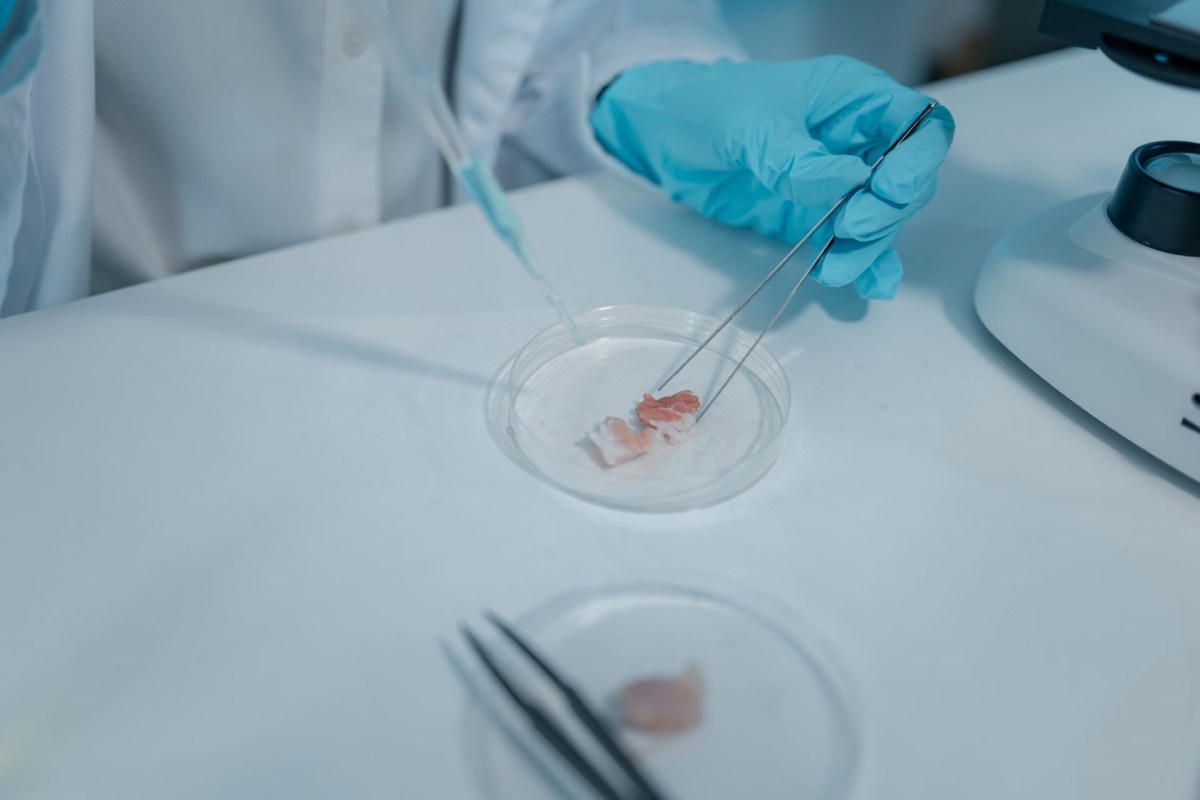
Britain is backing a new approach to evaluating medicines. Using lab-grown miniature human organs, researchers do not have to depend as heavily on animals as test subjects.
A recent government announcement allocated £22 million ($30 million) to speed up drug development and reduce some of the animal testing still used in the process, Medical Daily reported.
Here's what to know
Nine Innovate UK projects will split £2 million ($2.7 million) from the package. Many of these projects are aimed at safety studies that still rely on dogs and non-human primates. The far larger share, £20 million ($27.3 million) will fund a new Pre-clinical Translational Models Hub on the Cambridge Biomedical Campus.
Researchers have been growing organoids for years. These small clusters of human cells, grown in dishes, can reproduce important features of organs such as the gut or brain, as well as tumors. The current effort is focused on making those models dependable, consistent, and broadly accessible.
The hub is expected to create tissue models from cells donated by NHS patients and distribute them to university scientists and drug companies.
Leadership of the hub will be shared by the Wellcome Sanger Institute and the MRC Laboratory of Molecular Biology. It will draw on a Cambridge network of about 60 principal investigators, with major drugmakers including AstraZeneca and GSK also located nearby.
TCD Picks » Quince Spotlight
💡These best-sellers from Quince deliver affordable, sustainable luxury for all




More background
The investment targets a long-running problem through technology rather than policy or ethics alone. Animal testing has faced criticism for years, but drug developers continue to use it because they need ways to predict whether treatments will work and whether they will be safe.
One challenge in drug development is figuring out which candidates deserve more time and money. Because organoids are made from patient cells, they may reflect human tissue more accurately than animal models, which could help researchers move stronger medicines forward and abandon weaker ones sooner.
Using tissue that more closely matches actual patients could also help researchers test ideas faster, potentially accelerating work on treatments for diseases such as cancer and inflammatory bowel disease.
It could also reduce waste in the drug development pipeline. Failed drug candidates are expensive, time-consuming, and a major reason new therapies can take so long to reach the public.
What's being done?
The plan centers on research infrastructure: shared tissue models and a framework other labs can use in their own work. Confidence in these models rises when different research teams can use the same kinds of organoids and reproduce the same results in preclinical and safety studies.
Cambridge already brings together academic labs, biomedical institutes, and major pharmaceutical companies in one ecosystem. That could help move discoveries from early research into drug development more efficiently.
Over time, the project could offer a clearer route to reducing millions of animal experiments while improving the chances that drug testing better reflects human biology.

Get TCD's free newsletters for easy tips, smart advice, and a chance to earn $5,000 toward home upgrades. To see more stories like this one, change your Google preferences here.







