


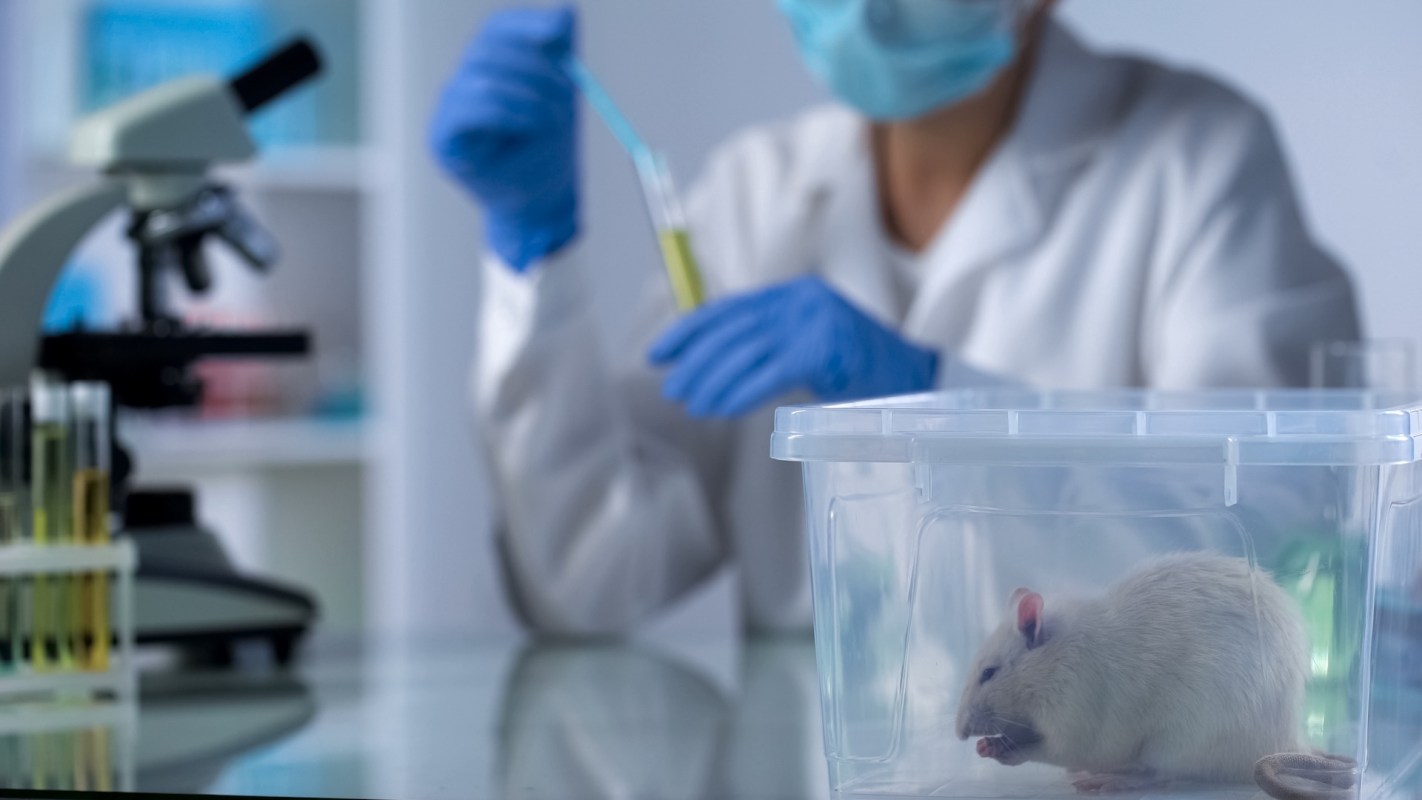
The United Kingdom has said it wants to move away from animal experimentation, but the latest figures indicate that shift is happening more slowly than many expected.
British laboratories recorded about 2.5 million animal procedures in 2025, just 4% fewer than in 2024, The Canary reported.
What's happening?
According to newly published Home Office data, animal use in U.K. research declined slightly in 2025, but the drop was limited compared with the government's stated aim of expanding non-animal methods.
Much of the decline appears to have come from reduced testing on mice and rats, and regulatory testing specifically fell 22% year over year. Even so, mice remained by far the most commonly used animals, accounting for 1,776,506 procedures, followed by rats at 126,500.
Not every species saw a decline. Uses of monkeys rose 15% to 2,236, dogs increased 9% to 2,889, horses went up 5% to 12,101, and cats increased 11% to 91.
These numbers come some months after the government released its November 2025 strategy for replacing animals in science, according to The Canary.
TCD Picks » Quince Spotlight
💡These best-sellers from Quince deliver affordable, sustainable luxury for all




Why is this concerning?
The totals reflect 2.5 million times that procedures were carried out on animals in 2025. The figures also suggest that animal testing isn't limited to essential safety work. According to the data, 54% of all experiments qualified as what The Canary described as "curiosity-driven research."
Animal advocates argue that a slow shift away from animal testing can hinder the wider adoption of newer tools that may be more humane and, in some cases, better mimic human biology.
Relatedly, the European Commission recently introduced a roadmap to phase out animal testing in chemical safety checks, while in the U.S., federal agencies have begun shifting policy toward non-animal research methods.
What's being done?
Animal welfare groups are urging the government to turn broad promises into measurable action. One major focus is ending tests that already have validated non-animal alternatives.
Cruelty Free International says its Replace Animal Tests (RAT) list identifies procedures still being carried out in the U.K. despite the existence of validated, humane alternatives.
"With 2.54 million uses of animals in British laboratories in 2025, a meager 4% decrease from 2024, the rate of decline remains painfully slow," Emma Grange of Cruelty Free said in a news release on the Home Office numbers. "We ask that the government now starts to show the sort of bold leadership and ambition promised in its strategy."
According to a reflection on the report from Understanding Animal Research, "Ten organisations carried out half of all animal research in Great Britain in 2025."

Get TCD's free newsletters for easy tips, smart advice, and a chance to earn $5,000 toward home upgrades. To see more stories like this one, change your Google preferences here.






