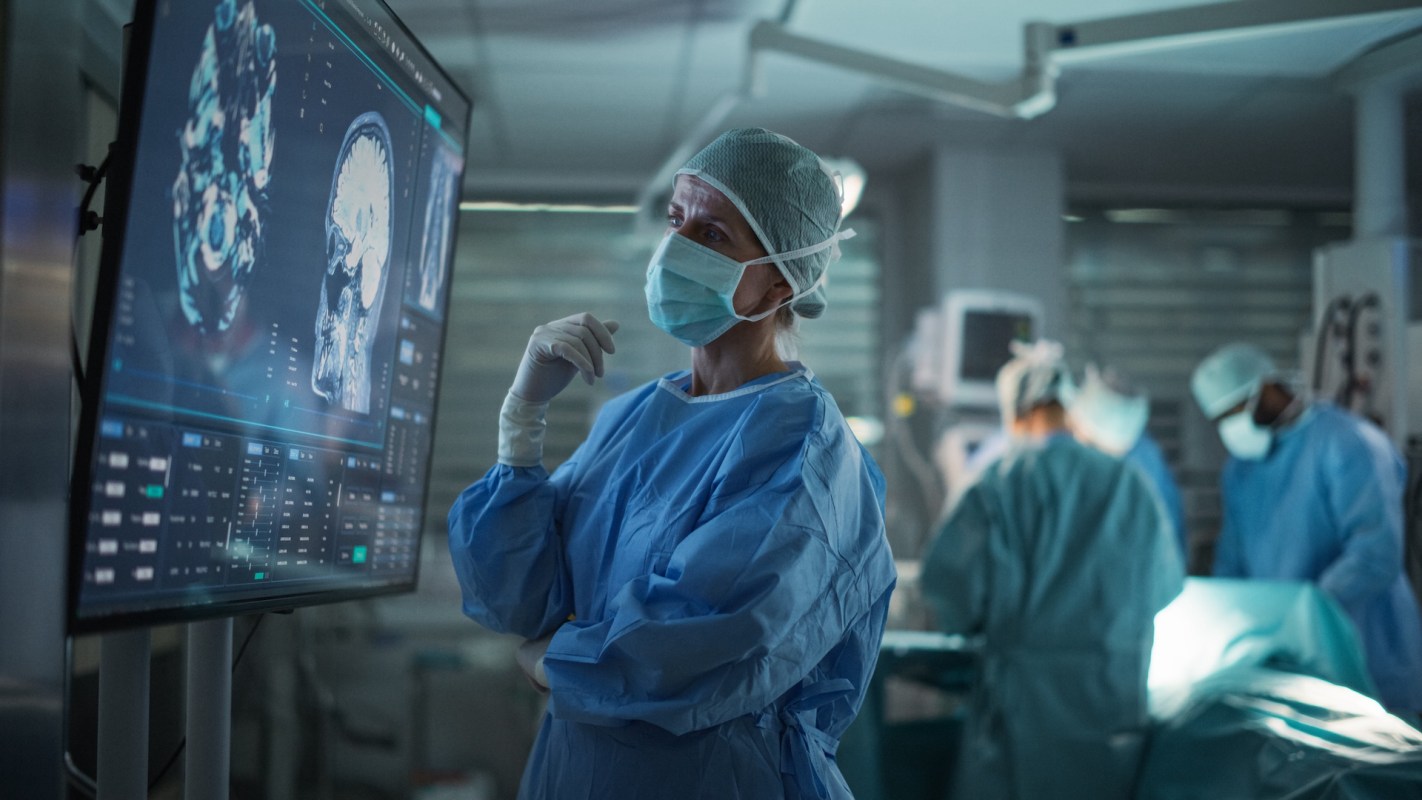
A biotech company has become the focus of intense scrutiny for a development with a sci-fi feel: using human brains for drug research by preserving crucial activity for 24 hours after death.
The idea is undeniably unsettling, but scientists say it could also open a faster, more realistic path to treatments for diseases that affect millions of families.
What happened?
According to a Futurism report, Bexorg retrieves human brains within hours of death and places them on its BrainEX support platform, where it "hovers between life and death." The brains are not conscious, but the setup preserves enough biological activity for scientists to examine how drugs behave in real human tissue.
Bexorg has previously shown that a similar system could sustain severed pig brains for 36 hours, and it says the human setup uses blood, other fluids, an artificial lung, and a kidney oxygenator.
Brendan Parent, one of the company's six ethicists, told Science, cited by Futurism, that the extracted brains do not display the organized neural firing required for even minimal consciousness. As an added safeguard against any electrical activity, they are also given the anesthetic propofol.
Each brain is studied only briefly rather than maintained long-term. After the 24-hour period ends, the tissue is cut into hundreds of pieces for analysis, and Bexorg reportedly plans to use a robotic arm to handle as many as 1,600 brains a year.
TCD Picks » Good Store Spotlight
Get 10% off your next purchase with code TCD10




Why does it matter?
The biggest promise here is that better drug testing could eventually lead to better treatments for Alzheimer's, Parkinson's, and other neurodegenerative diseases. That could mean more effective medicines, fewer failed clinical trials, and a shorter wait for therapies that help preserve memory, movement, and independence.
It could also give scientists something they have struggled for years to recreate in a lab: aging human brain tissue shaped by decades of real-life exposures, medications, and disease. That may prove more useful than petri dishes or animal models when it comes to predicting how drugs will actually work in people.
Futurism reported that Biohaven has already used 130 brains from Bexorg in drug studies, including work on a possible Parkinson's treatment. It is also preparing a clinical trial for a different drug based on data from those experiments.
What are people saying?
Bexorg CEO Zvonimir Vrselja said the platform's appeal comes down to realism: "You get cells that have been there for 60 to 80 years." Bruna Bellaver, a neurodegeneration researcher at the University of Pittsburgh, said, "It's a huge step up from mouse models."

Get TCD's free newsletters for easy tips, smart advice, and a chance to earn $5,000 toward home upgrades. To see more stories like this one, change your Google preferences here.