


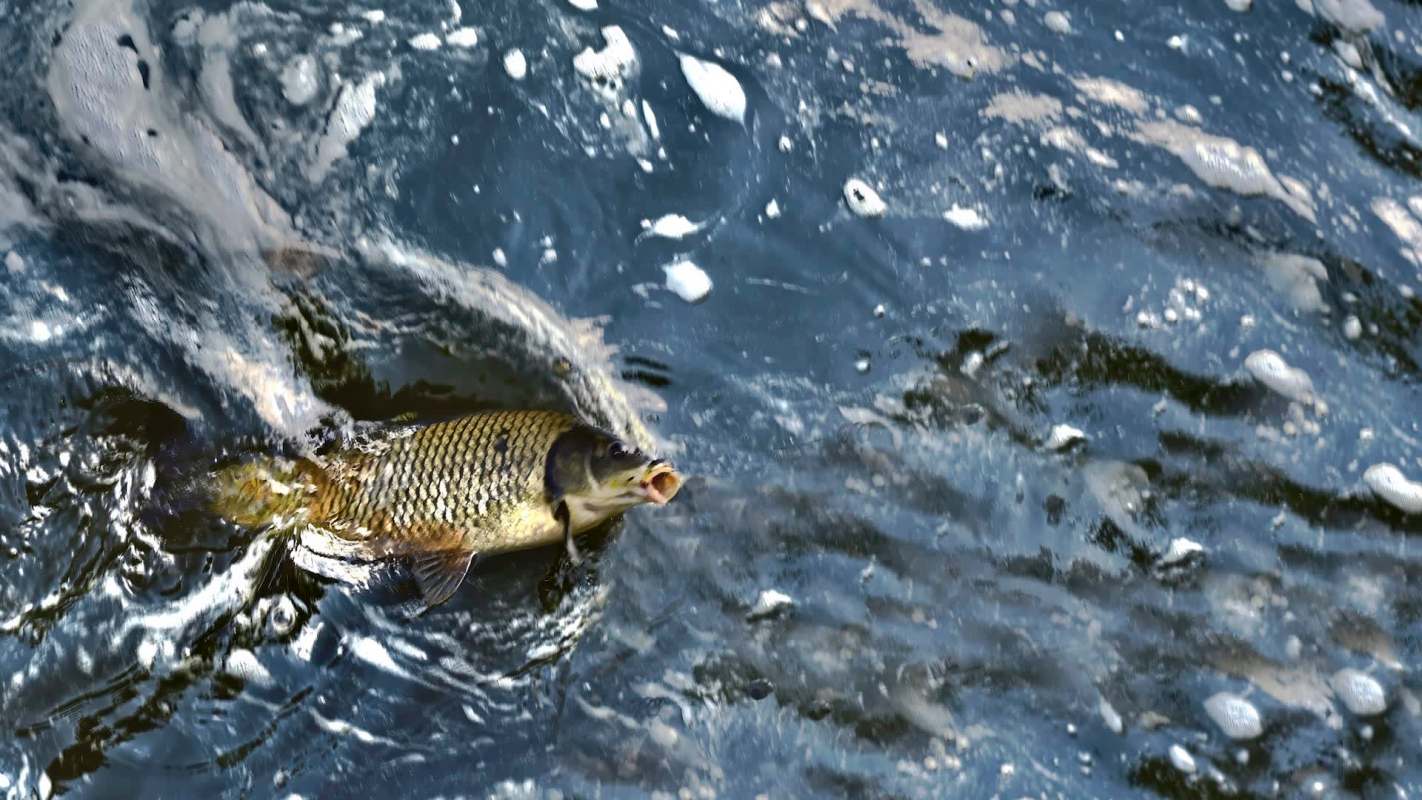
A stretch of the Illinois River has turned up several hundred invasive silver carp, an unsettling development for many experts and residents hoping to keep the invasive fish farther from Lake Michigan.
The finding is raising fresh concerns over the long-running effort to keep the invasive carp from advancing toward the Great Lakes, a vital freshwater resource that supports drinking water, recreation, jobs, and ecosystems across the region.
Here's what to know
According to The Center Square, crews sampling the Illinois River pulled several hundred silver carp measuring between 4 and 6 inches from the Marseilles Pool, roughly 80 miles from Lake Michigan. The outlet also reported that invasive carp this small had not previously been recorded this far upriver since monitoring began 16 years ago.
Young fish can be a sign that the species is reproducing nearby or successfully moving into new waters at an earlier life stage.
Silver carp are among the invasive species that have worried conservationists and water managers for years. The fish consume large amounts of plankton, putting them in competition with native fish and other aquatic life for food and disrupting already fragile food webs.
The National Invasive Species Information Center has explained that these fish have "the potential to cause enormous damage to native species."
TCD Picks » Quince Spotlight
💡These best-sellers from Quince deliver affordable, sustainable luxury for all




More background
The Marseilles Pool lies along a critical route in the effort to prevent invasive carp from moving closer to and into Lake Michigan. Any indication that these fish are pushing farther upriver should draw immediate attention.
And while agencies have been monitoring the area for more than a decade, this new pattern after years of surveillance can signal a shift that officials need to understand quickly. If invasive carp continue to spread, the effects could reach anglers, boaters, waterfront businesses, and families who depend on these waters for food, leisure, and income.
Healthy rivers and lakes support fishing, tourism, boating, and local economies, while invasive species can add strain to waterways already under pressure and slow progress toward cleaner, more resilient ecosystems.

Get TCD's free newsletters for easy tips, smart advice, and a chance to earn $5,000 toward home upgrades. To see more stories like this one, change your Google preferences here.






