


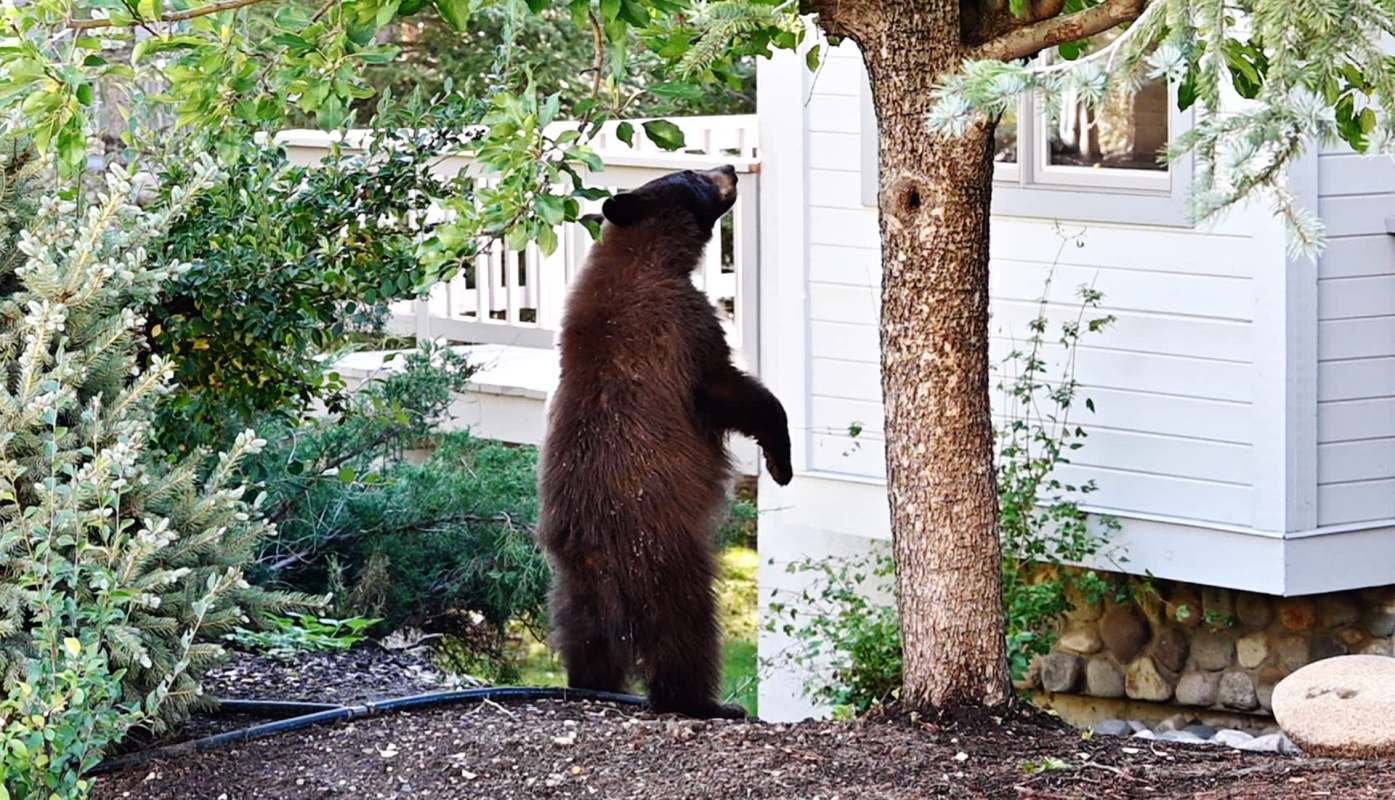
One Kentucky woman said a late-night break-in by a black bear left her living room looking wrecked after the animal wandered inside and ate her leftover KFC.
For Harlan County resident Kendra North, the frightening incident showed how quickly everyday household choices can become risky when people and wild animals share the same space.
Here's what to know
Because there was no air conditioning in her living room and kitchen, North said she and her partner had left the front door open. She later told Gulf Coast News that the bear got inside before they realized what had happened.
The damage, she said, included a ruined glass table where her leftover KFC had been sitting. North told the outlet that she slept through the incident, but her sister, who lives in another mobile home across the yard, woke up after hearing the commotion.
North told Gulf Coast News that she estimated the bear's weight at roughly 600 to 700 pounds. She also said that, while making sloppy joes at about 7 p.m. just two days later, she turned to find another bear standing on her porch, which she believed was a cub weighing in at about 300 pounds.
More background
Bear sightings near homes can point to a growing pattern of wildlife adapting to human spaces. Easy food sources, from leftovers to trash, can make porches, kitchens, and yards especially attractive to animals in search of calories.
TCD Picks » Quince Spotlight
💡These best-sellers from Quince deliver affordable, sustainable luxury for all




As BBC Future has reported, dangerous encounters with wild animals are often tied to growing overlap between human living areas and animal habitat.
That does not mean people are responsible for every incident, but it does mean these situations are often shaped by how humans build, store food, and move into wildlife territory.
What can be done?
North said that she now keeps the front door closed at night, even though doing so is difficult without air conditioning. But she knows that keeping her front door closed overnight will reduce the risk of another indoor wildlife encounter.
Other steps can help, including keeping doors and windows secured, not leaving food out, cleaning up outdoor eating areas, and making sure garbage is tightly contained. In places where bears are active, even a single meal can teach an animal to come back.
Communities can also help by sharing clear bear-safety guidance and improving access to practical tools such as secure trash storage and public education about avoiding wildlife attractants.
Yet, North's story also points to a more difficult reality. When homes lack cooling, people may rely on open doors for relief. That can bring extreme heat and wildlife risk into collision in very personal ways, especially in rural areas where animal activity is already common.

Get TCD's free newsletters for easy tips, smart advice, and a chance to earn $5,000 toward home upgrades. To see more stories like this one, change your Google preferences here.






