


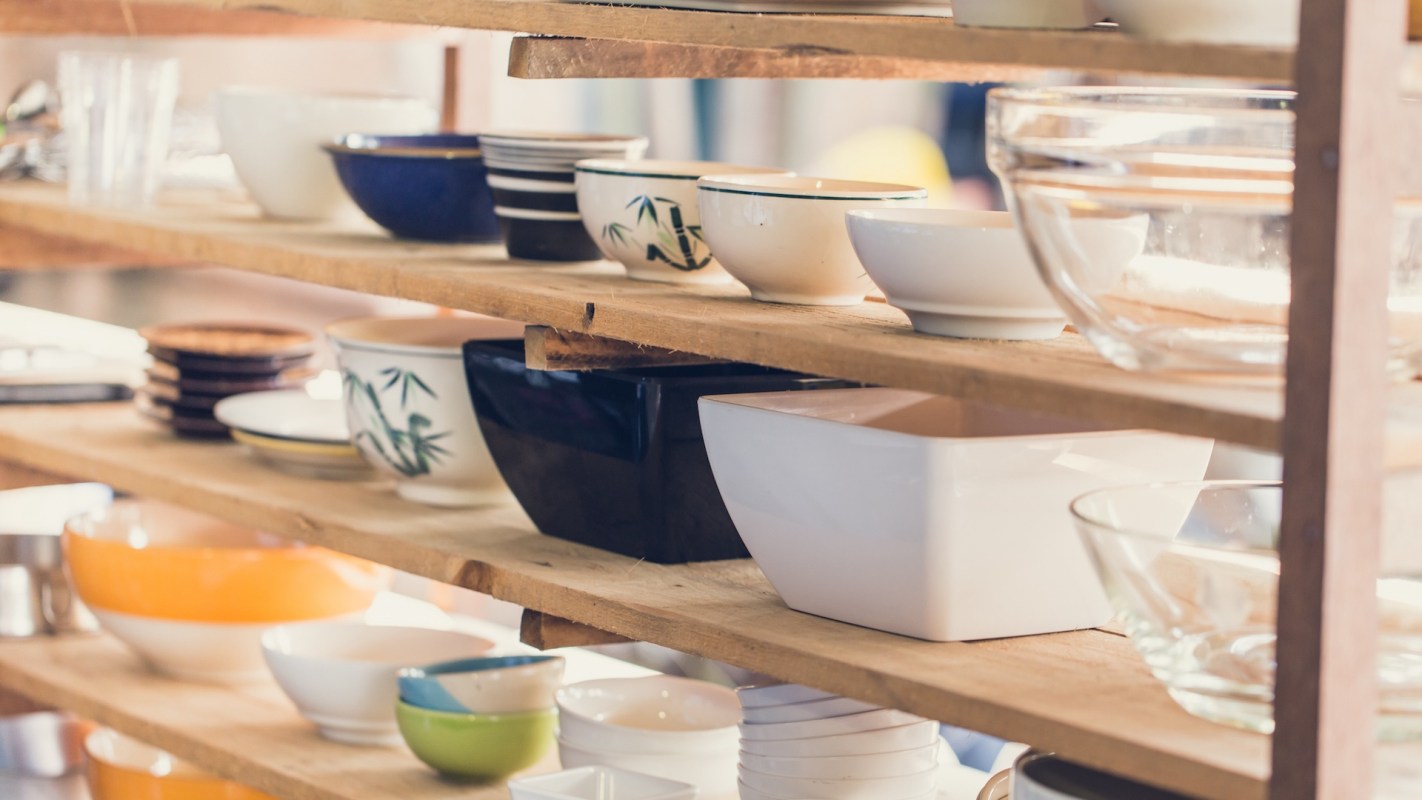
A vintage casserole dish on a thrift store shelf might look like just another piece of retro cookware, but in rare cases it can be worth thousands of dollars.
That is the appeal of a hard-to-find Pyrex piece collectors call "Big Bertha," a reminder that thrifting can sometimes uncover far more than everyday savings.
Here's what to know
Some model 664 Pyrex casseroles in familiar patterns like Spring Blossom and Butterfly Gold can sell for about $200, according to Hunker. But the outlet says the oversized 4-quart dish is an uncommon piece that Pyrex made only for a short period, and its rarest design commands much higher prices.
Collectors give the name "Polynesian" to the version with the biggest resale value. It is generally thought to have been a Hawaiian-inspired test pattern rather than part of a full production run, which helps explain why examples can fetch roughly $3,500 to $4,000.
Hunker also noted that collectors have documented two variations of the pattern. One uses opal glass with a rust or burnt-orange design, while the scarcer version has a brown background with red and orange accents. In either form, only a very small number of pieces are believed to be known.
The underside can help with identification and dating. The design is said to resemble ocean waves above abstract flowers, and backstamps listing both U.S. and metric capacities indicate the dish was made after Corning started adding metric measurements in the mid-1970s.
TCD Picks » Quince Spotlight
💡These best-sellers from Quince deliver affordable, sustainable luxury for all




More background
Buying secondhand can significantly reduce the cost of everyday necessities, including cookware, dishes, clothing, and furniture.
An item that seems ordinary at first glance can turn out to be collectible, durable, or genuinely rare. Vintage Pyrex has long attracted devoted fans because it blends nostalgia with function, and many pieces remain fully usable decades after they were made.
Keeping kitchenware in use longer helps reduce waste, lowers demand for newly manufactured products, and gives shoppers access to well-made items without the high cost of buying new.
What can be done?
For shoppers hoping to spot a valuable find, a little research can make a big difference. Learning model numbers, pattern names, and common colorways can help people recognize something special before it gets passed over.
Widening the search can also help. While a Polynesian "Big Bertha" is unlikely to turn up at the average thrift store, estate sales and online auction sites may offer better odds. Checking the underside for backstamps and signs of age can also reveal whether a piece is worth a closer look.
Even for those not hunting for collectibles, shopping at thrift stores can be a smart way to stretch a household budget while cutting down on unnecessary waste. The same trip that uncovers a rare vintage dish might also turn up affordable basics for the kitchen and home.

Get TCD's free newsletters for easy tips, smart advice, and a chance to earn $5,000 toward home upgrades. To see more stories like this one, change your Google preferences here.






