


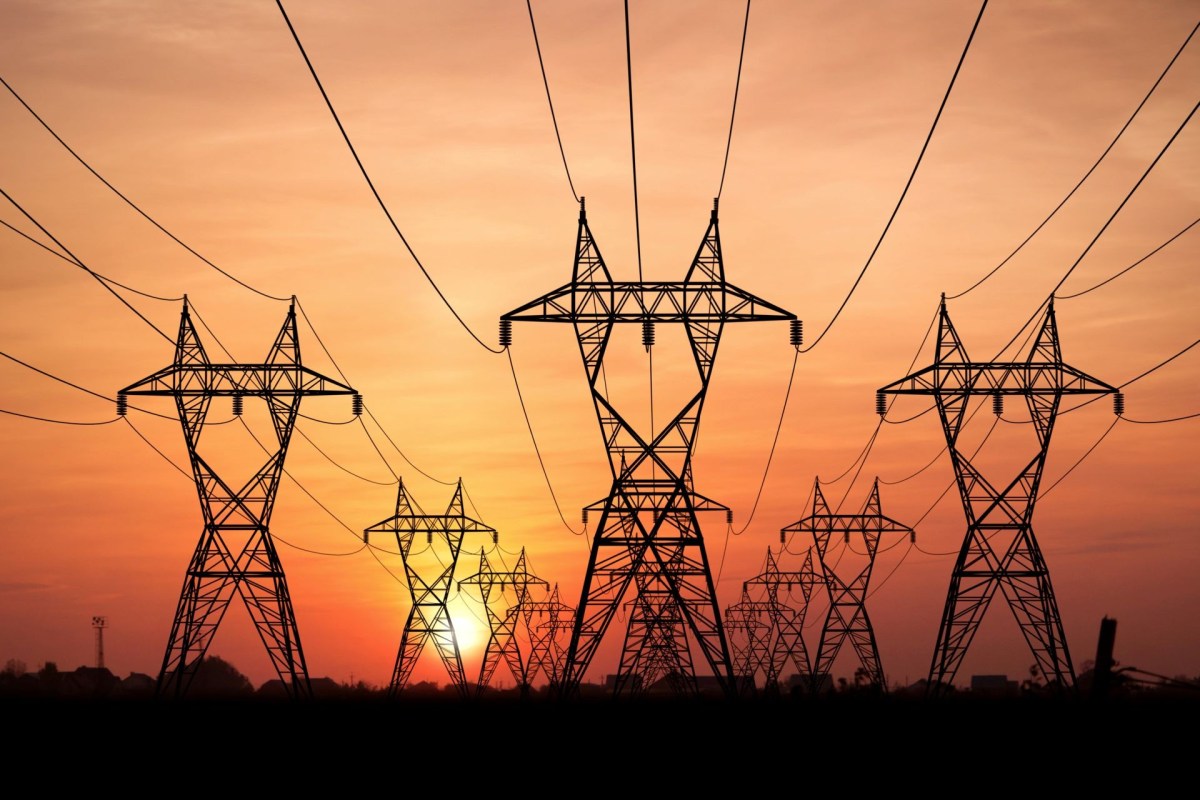
A long-standing rule in New York's power market could soon face a major overhaul as state regulators consider whether utilities should once again be allowed to generate electricity themselves.
As WXXI News reported, that shift may affect how quickly the state can build new wind and solar projects and how much financial risk utility customers may ultimately face.
Here's what to know
At issue before the New York Public Service Commission is whether companies, including Rochester Gas and Electric and New York State Electric and Gas, could return to the generation business, according to the outlet.
They contend that utility-built wind and solar projects could help the state add more clean power, bolster grid reliability, and keep its climate agenda moving.
That restriction was part of a competition-focused redesign of the market, as WXXI detailed. Once utilities sold their power plants in the 1990s, the job of developing and running new generation largely shifted to independent power companies.
Avangrid, which owns the utilities, says the competitive system has not delivered the promised results.
TCD Picks » Quince Spotlight
💡These best-sellers from Quince deliver affordable, sustainable luxury for all




"For decades, New Yorkers have been told that deregulation of the energy markets would lower costs and improve outcomes for customers," the company said in a statement, per the outlet. "Yet many continue to face rising supply prices, and the state continues to grapple with attracting the generation needed to meet growing demand and advance its clean energy goals."
More background
Backers cited money problems and supply-chain obstacles faced by independent companies. Utilities say they could move work forward by using their existing resources and outside specialists where necessary.
Skeptics told WXXI the debate is less about who builds the projects than about who is left exposed if they fall short. Ari Peskoe, executive director of the Electricity Law Initiative at Harvard Law School, said that the question of risk is central.
"Obviously, the utilities are putting forward the claim that it'll lower costs, and the other side is saying that the utilities will just raise costs," Peskoe explained to the outlet.
Independent generators are also pushing back forcefully. WXXI reported that the Independent Power Producers of New York has launched a six-figure campaign opposing the proposal.
Gavin Donohue, president and CEO of the group, argued that utility ownership is not the answer.
"Ultimately, it's bad for New Yorkers. It's just going to cause delays in projects that need to be built in the state," he argued to the station. He also questioned whether utilities have the expertise to build wind and solar facilities.
What's being done?
For now, the matter is in the hands of regulators. The Public Service Commission has not announced a timetable, and utilities, independent generators, and policy experts are pressing their views through formal filings and public advocacy, WXXI said.
Avangrid has said utility-owned generation should be seen as one option among many, not as a replacement for private developers.
"Our energy future will require significant investment in new generation resources, greater market transparency, and an all-of-the-above approach to ensuring reliable, affordable power," the company said, according to the outlet.
Peskoe noted utilities in states including Pennsylvania, Ohio, New Jersey, and Illinois are making similar arguments. Still it doesn't come without concerns.
"When utilities build projects, they put the risk on the public," Peskoe concluded to WXXI.

Get TCD's free newsletters for easy tips, smart advice, and a chance to earn $5,000 toward home upgrades. To see more stories like this one, change your Google preferences here.






