


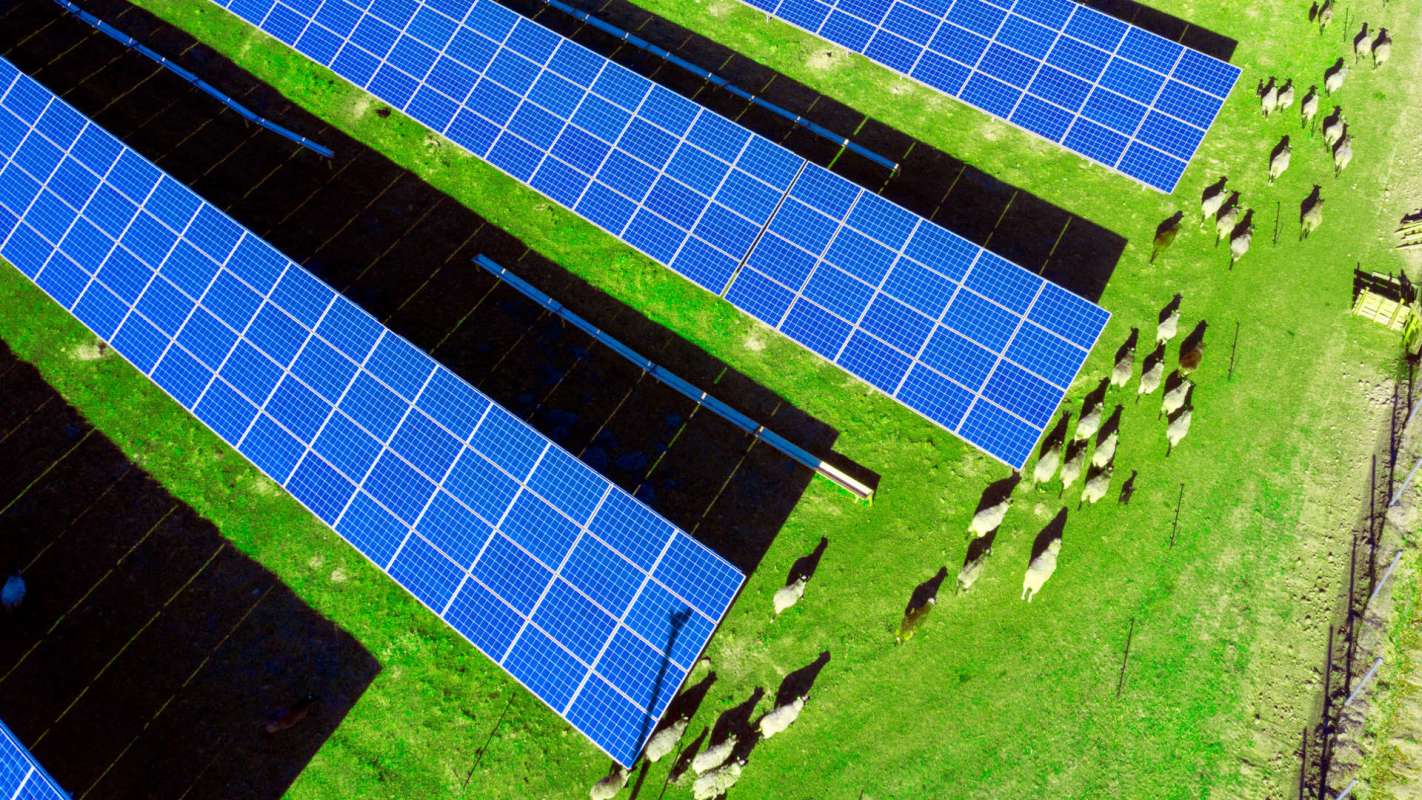
The U.S. government is aiming for a major solar breakthrough: utility-scale projects that can generate electricity for just 3 cents per kilowatt-hour by 2030 without relying on subsidies, according to PV magazine.
If that target is met, it would cut solar's cost in half from its 2017 benchmark and make it one of the cheapest sources of new power in the country.
Here's what to know
In 2017, unsubsidized utility-scale photovoltaic electricity cost about $0.06 per kilowatt-hour. The U.S. Department of Energy's Solar Energy Technologies Office wants to cut that figure to $0.03 by 2030, a price that would make solar cheaper than the operating costs of most fossil fuel generators and one of the lowest-cost options for expanding electricity supply.
The effort builds on the earlier SunShot Initiative, launched in 2011, when solar supplied less than 0.1% of the U.S. grid and total installed capacity was just 3 gigawatts. By 2017, cumulative installations had climbed past 47 gigawatts and were supplying more than 1% of national demand.
That first phase brought steep price declines. Utility-scale solar dropped from $0.28 per kilowatt-hour to $0.06, reaching the initial 2020 goal three years ahead of schedule. Residential solar went from $0.52 to $0.16 per kilowatt-hour, while commercial solar fell from $0.40 to $0.11.
Going solar is also one of the best ways for households to save money on home energy. Homeowners can explore EnergySage to get free solar installation estimates and compare quotes.
More background
Federal tax policy is shifting. With federal Investment Tax Credits and Production Tax Credits moving through phaseout and sunset schedules, the solar industry is under increasing pressure to reach cost parity without subsidies sooner than many analysts once expected.
The DOE is also looking beyond standard solar panels. For concentrating solar power, the agency is targeting $0.05 per kilowatt-hour for baseload systems with at least 12 hours of thermal storage and $0.10 per kilowatt-hour for peaking systems with fewer than six hours of storage.
Save $10,000 on solar panels without even sharing your phone number Want to go solar but not sure who to trust? EnergySage has your back with free and transparent quotes from fully vetted providers that can help you save as much as $10k on installation. To get started, just answer a few questions about your home — no phone number required. Within a day or two, EnergySage will email you the best local options for your needs, and their expert advisers can help you compare quotes and pick a winner. |

Battery costs are another major part of the equation. Federal roadmaps aim for eight-hour battery storage systems to reach $100 per kilowatt-hour by 2040, and modeling suggests that pairing low-cost solar with storage at that price could allow solar-plus-battery systems to provide a dominant share of U.S. electricity by 2050.
What's being done?
To help reach those goals, federal agencies are funding advanced manufacturing and programs centered on thin-film tandem solar cells, cheaper silicon wafers, and modules that generate more electricity per panel. They are also supporting grid-forming inverters, power-flow modeling, dynamic controls, and interconnection tools so utilities can reliably handle larger amounts of solar and storage.
For homeowners considering rooftop panels, EnergySage's solar map shows the average cost of a home solar panel system on a state-by-state level, along with details on solar panel incentives in each state. Together, those resources can help readers get the best price for rooftop solar panels and access available incentives.
EnergySage's free services can also make the shopping process less overwhelming for people comparing installers and financing options. With EnergySage's help, the average person can save up to $10,000 on solar purchases and installations. That kind of savings could make home solar much more realistic for families trying to cut long-term energy costs.
More From EnergySage
💡Go deep on the latest news and trends shaping the residential solar landscape

Adding battery storage to a solar setup is one of the best ways to protect your home during outages, save money on energy, and go off grid. Pairing batteries with panels can also help homeowners use more of the electricity they generate instead of sending it back to the grid. Readers can explore EnergySage for information about home battery storage options, including competitive installation estimates.
If the DOE hits its targets, lower solar costs, better storage, and quicker project approvals could make clean electricity cheaper for utilities and households while increasing the competitive pressure on fossil fuel plants.

Get TCD's free newsletters for easy tips, smart advice, and a chance to earn $5,000 toward home upgrades. To see more stories like this one, change your Google preferences here.







