


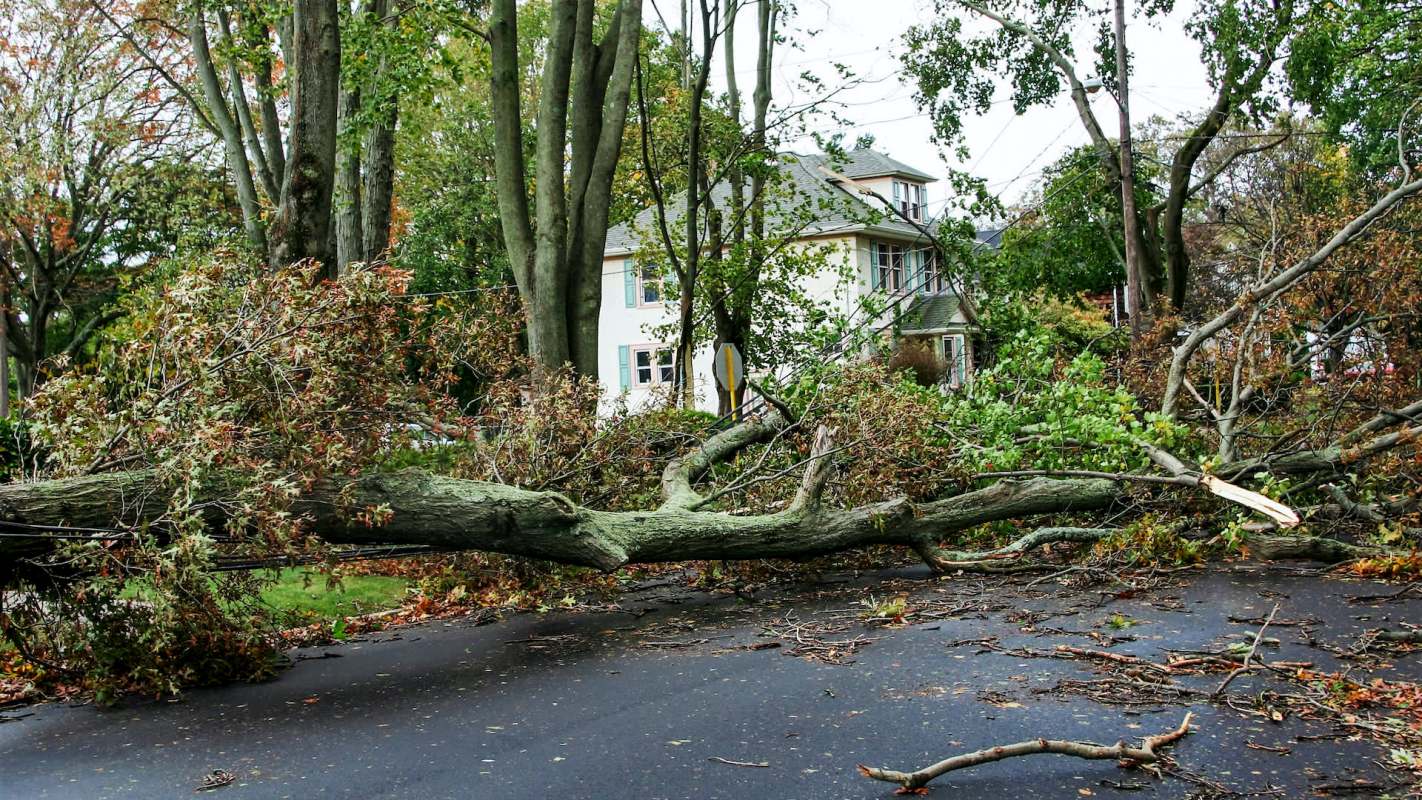
Meteorologists still cite Hurricane Bob, which struck Rhode Island and then the rest of New England on Aug. 19, 1991, as an example of how quickly a season that seems subdued can become dangerous.
When Bob moved through the region, it changed how many people thought about hurricane risk, as it arrived during a year that many forecasters did not expect to be especially active.
Here's what to know
As The Boston Globe reported, Hurricane Bob developed from thunderstorms tied to an old cold front in waters between Bermuda and the Bahamas in mid-August 1991. It strengthened into a tropical storm Aug. 16 and reached major hurricane status by Aug. 18.
Rhode Island was hit twice Aug. 19, when Bob came ashore as a Category 2 storm, and the system later made another landfall in Maine.
Across the stretch from South Carolina to Nova Scotia, Bob was blamed for 18 deaths, including 12 in New England, and it caused over $1 billion in damage, per the Globe. Wind gusts reached 125 mph in Cape Cod and the Hartford area, and storm surges of 10 to 15 feet and 8 feet hit Buzzards Bay, Massachusetts, and the Rhode Island coast.
Bob still ranks as the most powerful landfalling hurricane from the last five "super" El Niño seasons of 1972, 1982, 1991, 1997, and 2015. The pattern usually curbs Atlantic hurricane activity by increasing vertical wind shear, the newspaper noted.
TCD Picks » Quince Spotlight
💡These best-sellers from Quince deliver affordable, sustainable luxury for all




More background
No hurricane has made landfall in New England since Bob.
Tony Petrarca, chief meteorologist at WPRI-TV in Providence, said that forecasters spotted warning signs early.
"The rule of thumb is any modest circulation in August and September near the Bahamas is something that should be monitored here in New England," Petrarca said, per the Globe.
He added, "The steering winds in the upper part of the atmosphere before the storm pointed toward a possible New England threat."
Bob strengthened over the warm waters of the Gulf Stream before racing north. A shift east or west could have changed the severity of the storm surge along Narragansett Bay and Buzzards Bay.
What can be done?
El Niño may lower the number of Atlantic storms, but it does not protect the coast from a single dangerous hurricane. Seasonal outlooks describe broad tendencies, not what any one town or state will experience.
In 1991, people did not have access to social media or modern alerts. Even so, at least 50,000 people evacuated Massachusetts, including many Cape Cod residents who left before the storm made landfall.
"It only takes one storm taking the right track, or wrong track, depending on how you look at it, to make it an active and memorable season," said Harvey Leonard, who was the chief meteorologist at Boston's Channel 7 at the time.

Get TCD's free newsletters for easy tips, smart advice, and a chance to earn $5,000 toward home upgrades. To see more stories like this one, change your Google preferences here.






