


The 78-degree thermostat rule shows up almost every summer as standard advice for staying comfortable while keeping electricity bills in check. But during extreme heat, that guidance can fall short depending on who lives in the home.
For many households, the better approach is to treat 78 degrees as a starting point rather than a strict rule.
Here's what to know
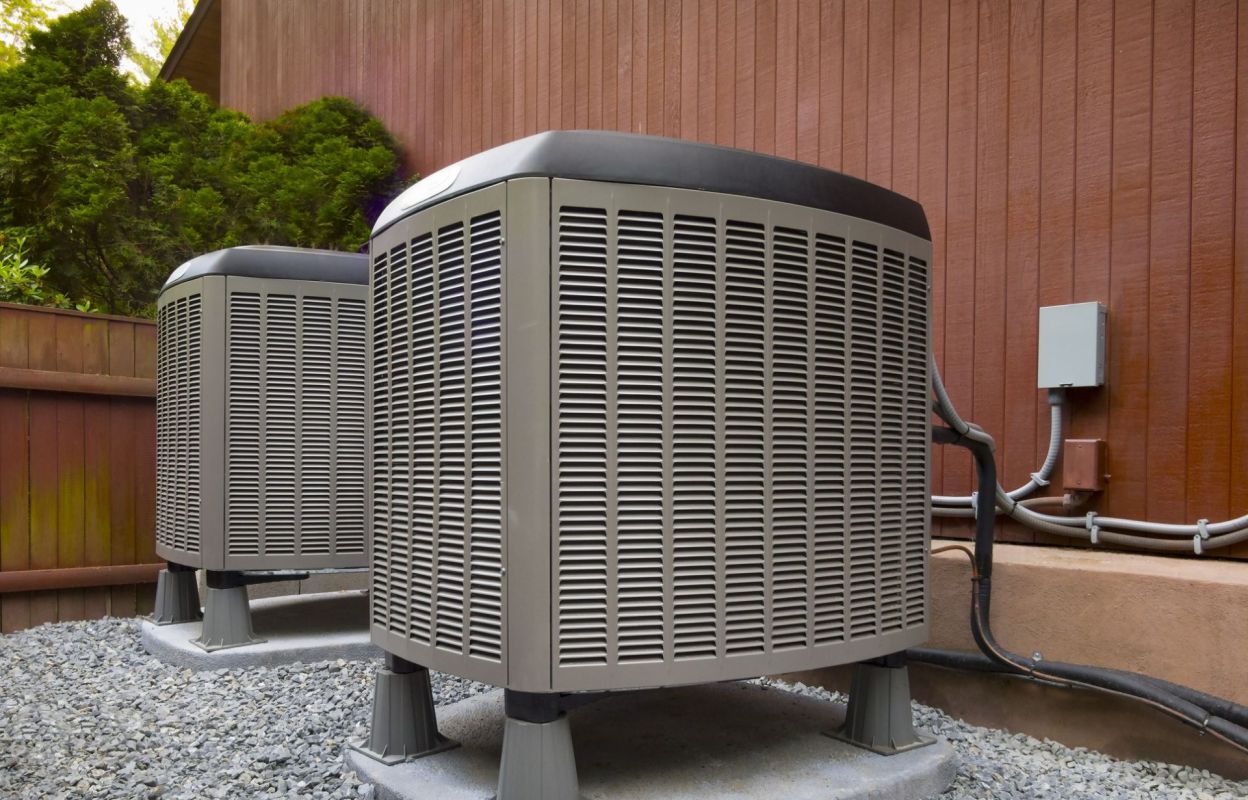
What makes 78 degrees appealing is not that it is perfect for everyone, but that it aligns with how many cooling systems operate. As SlashGear reported, many AC units are designed to cool a home to about 20 degrees below the outdoor temperature.
So if the temperature outside reaches 100 degrees, an indoor temperature near 80 may still be within the system's normal range. Setting it a little lower, at 78, can remain tolerable for many people while using less energy than a colder setting.
When the thermostat stays around that point, the air conditioner usually does not have to work as hard, which can help keep power use lower and reduce pressure on the monthly bill.
That logic does not apply in every home, though. If 78 degrees still leaves people too hot, unable to sleep, or at risk of heat stress, then the cheapest option is no longer the best.
TCD Picks » Quince Spotlight
💡These best-sellers from Quince deliver affordable, sustainable luxury for all




More background
The number matters less than the people living with it. SlashGear noted that young children, older adults, and people with chronic conditions such as heart problems or diabetes may have a tougher time staying hydrated or regulating body temperature in high heat.
In homes like that, paying more for extra cooling may be necessary. A person who looks only slightly uncomfortable may actually be having a much harder time coping with the heat than they appear to be.
The same can be true in very hot, humid climates or in homes where one person has a health condition that prevents them from tolerating warmer indoor temperatures. That is why there is no universal ideal setting; the right thermostat number depends on the household.
What can be done?
Instead of assuming 78 degrees is automatically correct, use it as a starting point. Start there and watch how everyone in the home is doing. If the rooms still feel stifling or anyone shows signs of heat stress, as SlashGear advised, lower the thermostat gradually, one degree at a time, until the home feels safe and comfortable.
Using the rule that way can still keep some of its money-saving value without treating the number like a command. The setting can be adjusted based on what people are actually experiencing indoors.
There are also inexpensive ways to help the AC along. Closing blinds during the hottest part of the day and running ceiling fans can make rooms feel cooler, which may reduce how much the thermostat needs to be lowered.
A low-cost standalone unit can also target cooling where it is needed most, rather than making the whole house colder than necessary.
Seventy-eight degrees is still a useful energy-saving guideline, but it should not override health and safety. If someone in the home is struggling with the heat, turning the thermostat down may be worth the extra cost.

Get TCD's free newsletters for easy tips, smart advice, and a chance to earn $5,000 toward home upgrades. To see more stories like this one, change your Google preferences here.






