


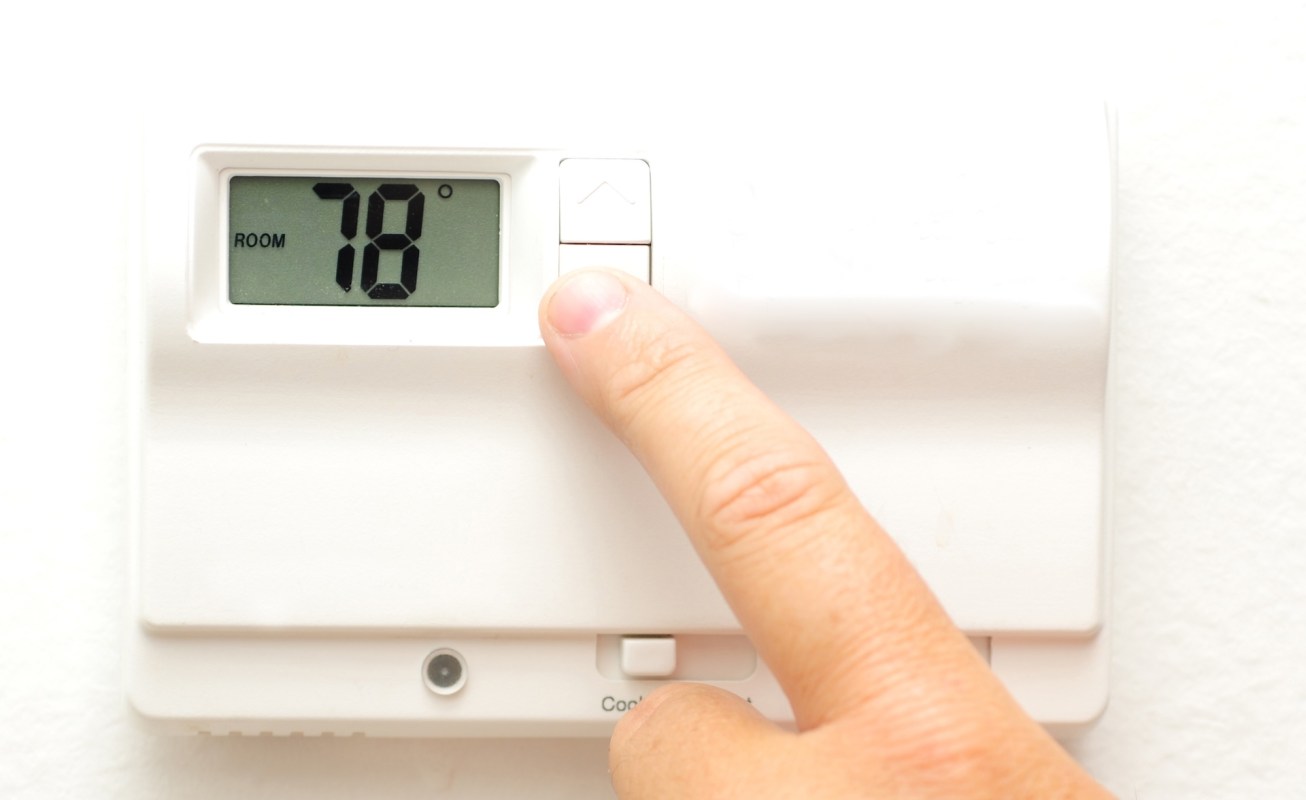
As another heat wave drives up air-conditioner use, specialists say a modest thermostat change can help households stay comfortable while limiting added electricity costs.
Their baseline advice is to start at 78 degrees when you're home, then lean on a few simple tactics to make that setting feel cooler.
What's happening?
There isn't one perfect AC setting for every household. As NorthJersey.com reports, experts say the goal is to balance comfort, efficiency, and cost, and the U.S. Department of Energy recommends 78 degrees when you're home and cooling the house.
That figure is only a starting point, not a universal rule. Some people will be more comfortable setting the thermostat lower, especially overnight, but the closer you can stay to a warmer setting, the less your AC typically needs to run and the more you may save on energy.
A few simple changes can also make the house feel better even if it doesn't show on the thermostat. Ceiling fans help circulate cool air, and keeping shades or curtains closed during the day reduces heat from direct sunlight.
In places with high humidity, the thermostat isn't the only factor. If your air conditioner has a dry mode, or if you use a dehumidifier, the home can feel cooler without turning the temperature down as much.
TCD Picks » Quince Spotlight
💡These best-sellers from Quince deliver affordable, sustainable luxury for all




Why does it matter?
Cooling costs can climb quickly during a heat wave. Thermostat strategy can directly affect monthly utility bills.
Maintenance issues can also make cooling more expensive and less comfortable. When coils are dirty, refrigerant is low, or blower parts are not working properly, an AC unit may have to run longer to reach the same temperature.
What can I do?
Using 78 degrees as an at-home starting point is a simple first step; from there, you can adjust gradually based on what feels manageable.
A programmable thermostat can automatically shift temperatures around your daily routine so you're not overcooling an empty home. A smart thermostat offers finer control and can help optimize energy use throughout the day.
You can also get more from the system you already have. Use ceiling fans in rooms you're occupying, keep blinds and curtains shut when sunlight is strongest, and let cooler nighttime air in by opening windows if the temperature outside drops enough.
Regular upkeep matters, too. Cleaning both the outdoor and evaporator coils, checking refrigerant levels, and ensuring blower components are properly adjusted can support airflow, improve cooling efficiency, and help prevent extra costs from a system that is struggling.

Get TCD's free newsletters for easy tips, smart advice, and a chance to earn $5,000 toward home upgrades. To see more stories like this one, change your Google preferences here.






