


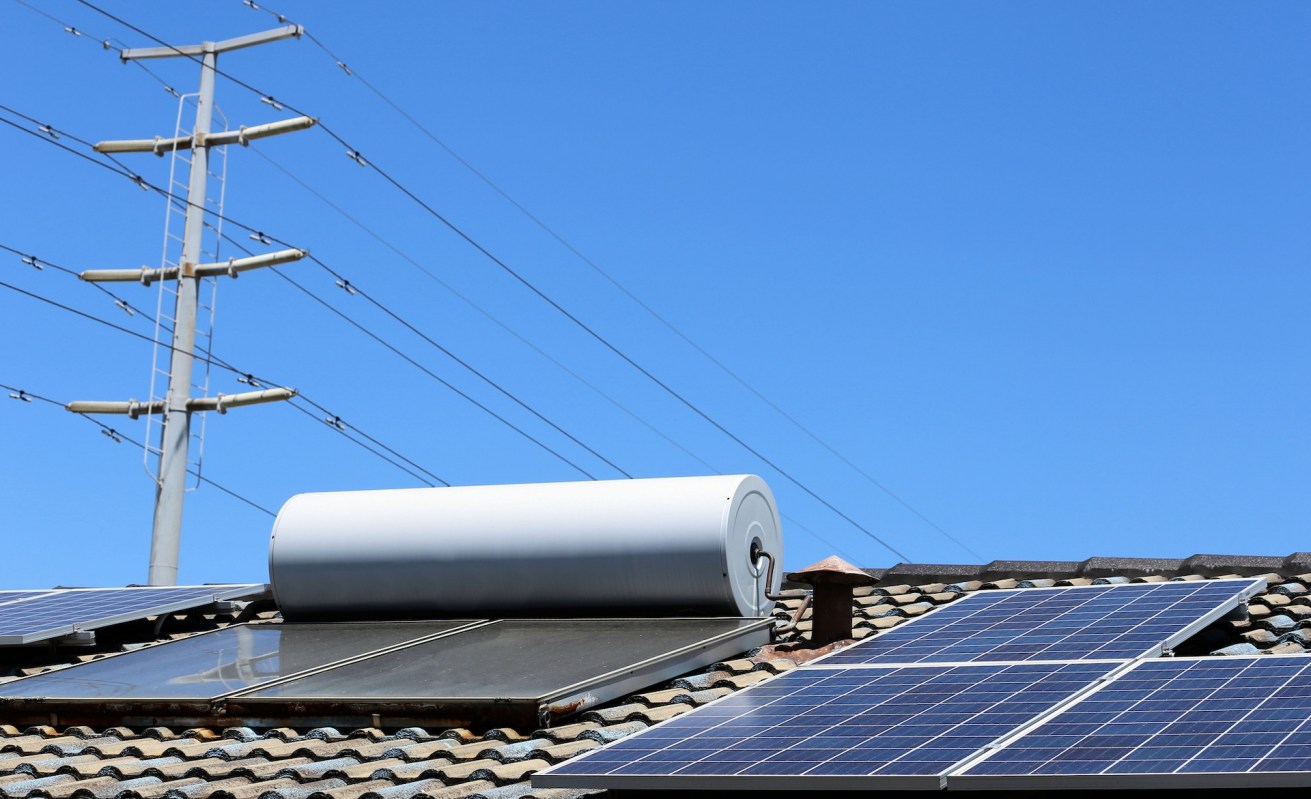
Australia's rooftop solar boom has helped transform ordinary homes into miniature power stations and has put the country on the center stage of modern electrification.
However, even in one of the most solar-friendly markets in the world, the reality remains complex. For most households, fully cutting ties with the grid is still a difficult goal, according to ESD News.
Here's what to know
Solar panels and home batteries can sharply reduce the amount of power a household needs from the utility, but they usually don't entirely replace grid electricity. The challenge lies in reliability. Homes still need enough power at night, during cloudy stretches, and when electricity use jumps.
Even without going fully off-grid, rooftop solar can meaningfully cut electricity costs. Batteries enhance that benefit by storing some of the energy produced during the day for later use rather than sending it all back to the grid.
For homeowners who want better outage protection, lower energy costs, and a step closer to off-grid living, battery storage is one of the strongest upgrades to consider. If you're curious about your options, it's worth exploring EnergySage's free tools to compare home battery storage information and competitive installation estimates.
EnergySage has also teamed up with the electrification brand Qmerit to guarantee you get the best price on home battery storage solutions, making it easier for homeowners to shop with confidence.
More background
Adoption tends to move fastest when the savings are easy to see. For many families, solar already lowers utility bills and provides some protection against rising electricity prices.
Going fully independent takes more than adding "solar plus storage" to a house. A home that runs on its own needs batteries large enough for overnight use and enough solar production to recharge them through bad weather and seasonal changes.
Save $10,000 on solar panels without even sharing your phone number Want to go solar but not sure who to trust? EnergySage has your back with free and transparent quotes from fully vetted providers in your area. To get started, just answer a few questions about your home — no phone number required. Within a day or two, EnergySage will email you the best options for your needs, and their expert advisers can help you compare quotes and pick a winner. Solar panels can save you more than $50k over their 25-year lifespan, and EnergySage can help you save as much as $10k on installation. Which begs the question — isn't that worth an email or two? |

Because of that, the required system is often larger and more expensive than many homeowners expect. For many households, staying connected to the grid while using solar and batteries to reduce dependence is the more affordable and flexible option.
Using less electricity from fossil-fuel-heavy power generation can help reduce heat-trapping pollution and support cleaner air. Also, a more decentralized energy system can improve resilience across communities and nations.
What can be done?
For many households, the practical move may be to prioritize cost savings and increased energy sovereignty over a total grid disconnection. It can make more sense to size a solar-and-battery system around the appliances and backup needs that matter most, such as refrigeration, lighting, internet service, and medical devices.
In everyday use, battery storage can keep critical equipment running during outages and let households use more of their own solar power after sunset. It can also reduce the need to buy electricity during the priciest hours, which may add up to savings over time.
Another option for people who don't need or want a whole-home system is Pila, which offers plug-and-play battery backup products priced at a fraction of the cost of a whole-home backup system.
For many homes, the middle ground is to generate electricity with solar, store more of it in batteries, and keep the grid in place as a safety net. Full energy independence may still be out of reach for most households, but lower bills, greater control, and stronger outage protection are already within reach.

Get TCD's free newsletters for easy tips, smart advice, and a chance to earn $5,000 toward home upgrades. To see more stories like this one, change your Google preferences here.







