


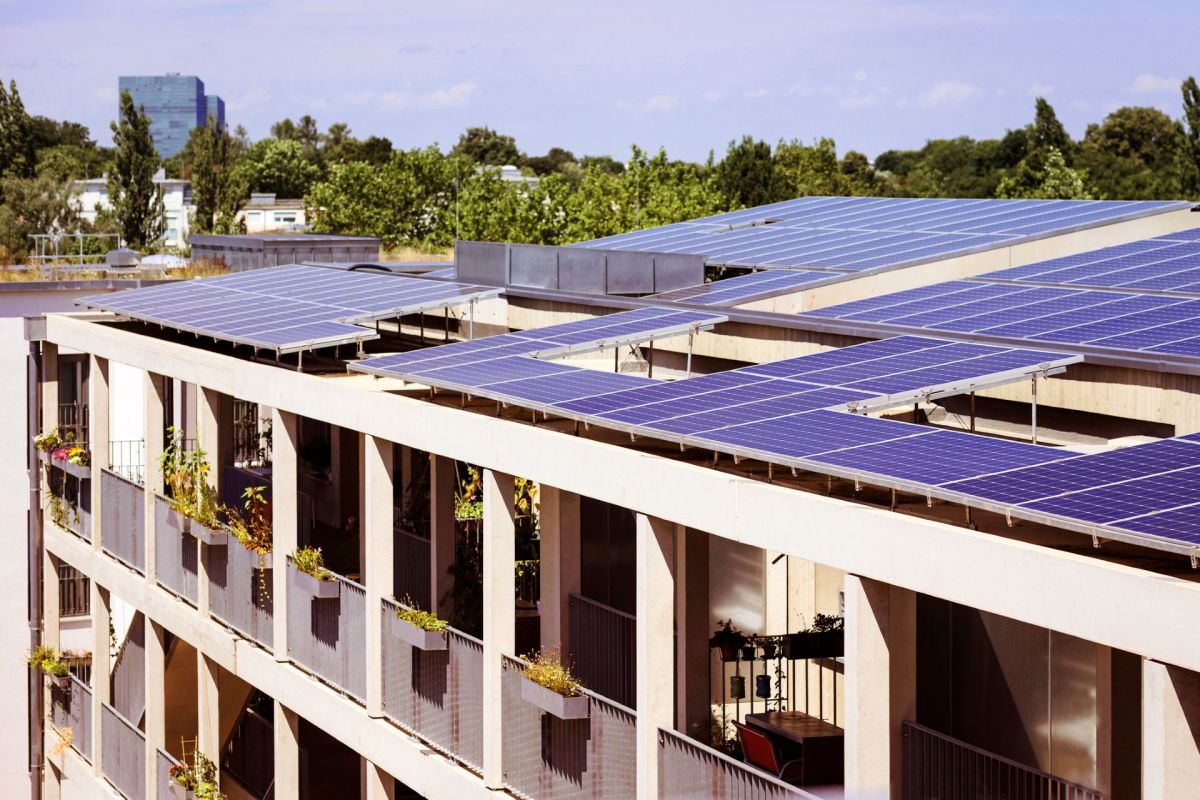
Australia is the leader in rooftop solar, with one in three houses using the technology. However, there is one major issue: apartment buildings.
Researchers are now trialing an AI-driven setup aimed at making shared rooftop solar viable for multi-unit properties, with the potential to lower costs and extend cleaner power to many more residents.
What's happening?
As content creator The Electric Viking (@electricviking) explained in a YouTube video, "If you live in an apartment, you've basically been locked out of the rooftop solar revolution."
In New South Wales, the imbalance is especially clear. According to UNSW Canberra, apartments account for about one in five homes, yet only 3.5% of apartment residents have access to rooftop solar.
To tackle that problem, researchers at the university are testing an AI energy management system together with a modular power portal system, or MPPS, built with industry partners VoltVal and JT Solar.
The system is meant to forecast both solar generation and total building demand, while controlling shared batteries and directing electricity between apartments in real time.
TCD Picks » Quince Spotlight
💡These best-sellers from Quince deliver affordable, sustainable luxury for all




With about AU$1.2 million in support from the Australian government's Trailblazer Recycling and Clean Energy Program, the pilot will be tested at multiple residential and commercial sites in Sydney.
One commenter on the video wrote: "This sounds great. NSW Uni seems to have carefully analysed the challenges with rooftop solar for high-rise accommodation and are working on a solution."
Why does it matter?
Limited roof area, split ownership across many residents, and aging metering systems not built for power sharing have all made apartment solar hard to implement.
Those obstacles have created a "solar ceiling" that keeps large numbers of people from accessing lower-cost renewable energy.
If the pilot succeeds, it may reduce building electricity costs and allow residents to benefit from solar without each person having to install a separate system.
More shared solar and battery storage can reduce reliance on fossil-fuel-generated electricity, cutting pollution that overheats the planet while also helping to improve air quality.
Because many high-density cities face the same kinds of building constraints, a successful model could have global relevance. Also, with so many challenges and such a massive global market, the company that figures out apartment-solar first is set to reap incredible rewards.
What's being done?
Rather than giving each apartment a fixed portion of rooftop generation, the AI system forecasts when power will be produced, when demand will rise, and how battery storage should be deployed to deliver the greatest savings across the building.
That may help solve one of apartment solar's biggest challenges: how energy is allocated between residents who share the output.
If energy sharing can be automated, landlords and developers may have a more workable way to bring rooftop solar into buildings that once seemed too complicated.
Dr. Ripon Chakraborty, who is leading the project, said the goal is "AI-enabled optimization technology that can intelligently coordinate shared solar and battery resources across multiple residents."

Get TCD's free newsletters for easy tips, smart advice, and a chance to earn $5,000 toward home upgrades. To see more stories like this one, change your Google preferences here.






