


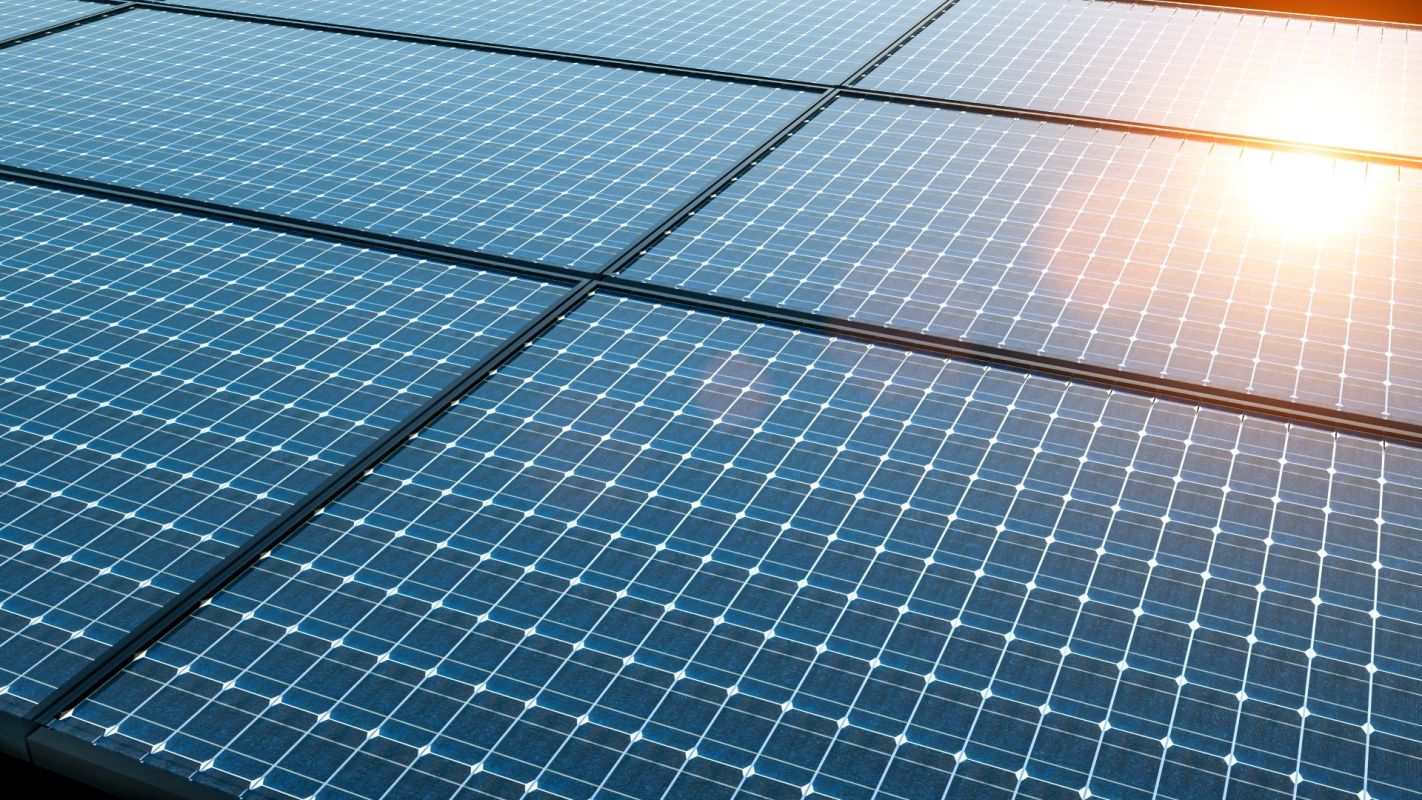
Perovskite solar cells are cheaper, more efficient, thinner, and more flexible than other solar cell technologies, but they have one major drawback: they lack durability and therefore longevity.
Researchers in Lithuania say they found a way to curb a major cause of performance loss in next-generation solar cells, a step that could make these cheaper and lighter panels far more practical.
Here's what to know
The work focuses on perovskite solar cells, a rapidly advancing technology that many researchers see as a possible complement to, or even replacement for, conventional silicon panels.
The new study, covered by Technology Networks, examines a tiny but essential layer inside the device that has long been known to harm nearby materials.
At Kaunas University of Technology, Dr. Kasparas Rakštys and his collaborators changed the chemistry of a thin interfacial layer by converting its acidic molecules into ionic salts. The result was a less corrosive connection between layers, which helped the cells remain efficient and stable for longer.
Compared with standard silicon modules, perovskite cells can offer increased efficiency while also being lightweight, flexible, and less energy-intensive to make. Their main challenge has been staying stable when exposed to heat, moisture, and oxygen.
Rakštys explained the design this way: "Simply put, a solar cell can be imagined as a multi-layered sandwich in which each layer is made of a different material and performs a specific function."
For households, going solar is one of the best ways to save money on home energy. If you're considering the switch, you can explore EnergySage to get quick solar installation estimates and compare quotes for free.
Save $10,000 on solar panels without even sharing your phone number Want to go solar but not sure who to trust? EnergySage has your back with free and transparent quotes from fully vetted providers that can help you save as much as $10k on installation. To get started, just answer a few questions about your home — no phone number required. Within a day or two, EnergySage will email you the best local options for your needs, and their expert advisers can help you compare quotes and pick a winner. |

The researchers said the technique was effective beyond tiny laboratory devices. In tandem perovskite solar cells, which absorb different parts of the solar spectrum, the team reported power conversion efficiency above 29%.
More background
Advances like this are of great importance as electricity demand rises worldwide. Artificial intelligence is expected to put even more pressure on power systems by 2030, as Technology Networks noted.
Solar that is cheaper to produce, easier to install, and durable could help utilities, businesses, and homeowners meet that demand without pumping out more planet-warming pollution.
Improved reliability could also expand where perovskite panels can be used. Because they can be ultra-thin and flexible, they may eventually be installed on building facades, windows, and other surfaces where conventional panels are harder to place.
More From EnergySage
💡Go deep on the latest news and trends shaping the residential solar landscape

A broader range of solar applications could lower energy bills, create more opportunities to generate electricity near where it is used, and improve air quality as more communities move from fossil-fuel power to renewables. The team has filed for patent protection and started commercialization.
Rakštys added that perovskites are attracting growing interest from the space sector because they are lightweight and offer strong radiation resistance compared with silicon.
What's being done?
In Rakštys' words, perovskites "open up opportunities to integrate solar cells into places where this is currently difficult, such as building facades, windows and even textiles."
The Kaunas University of Technology team is continuing to refine these "neutralized" self-assembled monolayers while also exploring new molecules.
For readers thinking about solar, EnergySage's free services can make the shopping process much easier. With EnergySage's help, the average person can save up to $10,000 on solar purchases and installations. EnergySage's solar map shows the average cost of a home solar panel system in each state, along with available incentives.
Adding battery storage to a solar setup is one of the best ways to protect your home during outages, save money on energy, and go off-grid. It can also help you use more of the electricity your panels produce instead of sending it back to the grid at low value. To compare options, readers can explore EnergySage for free information on home battery storage, including competitive installation estimates.

Get TCD's free newsletters for easy tips, smart advice, and a chance to earn $5,000 toward home upgrades. To see more stories like this one, change your Google preferences here.






