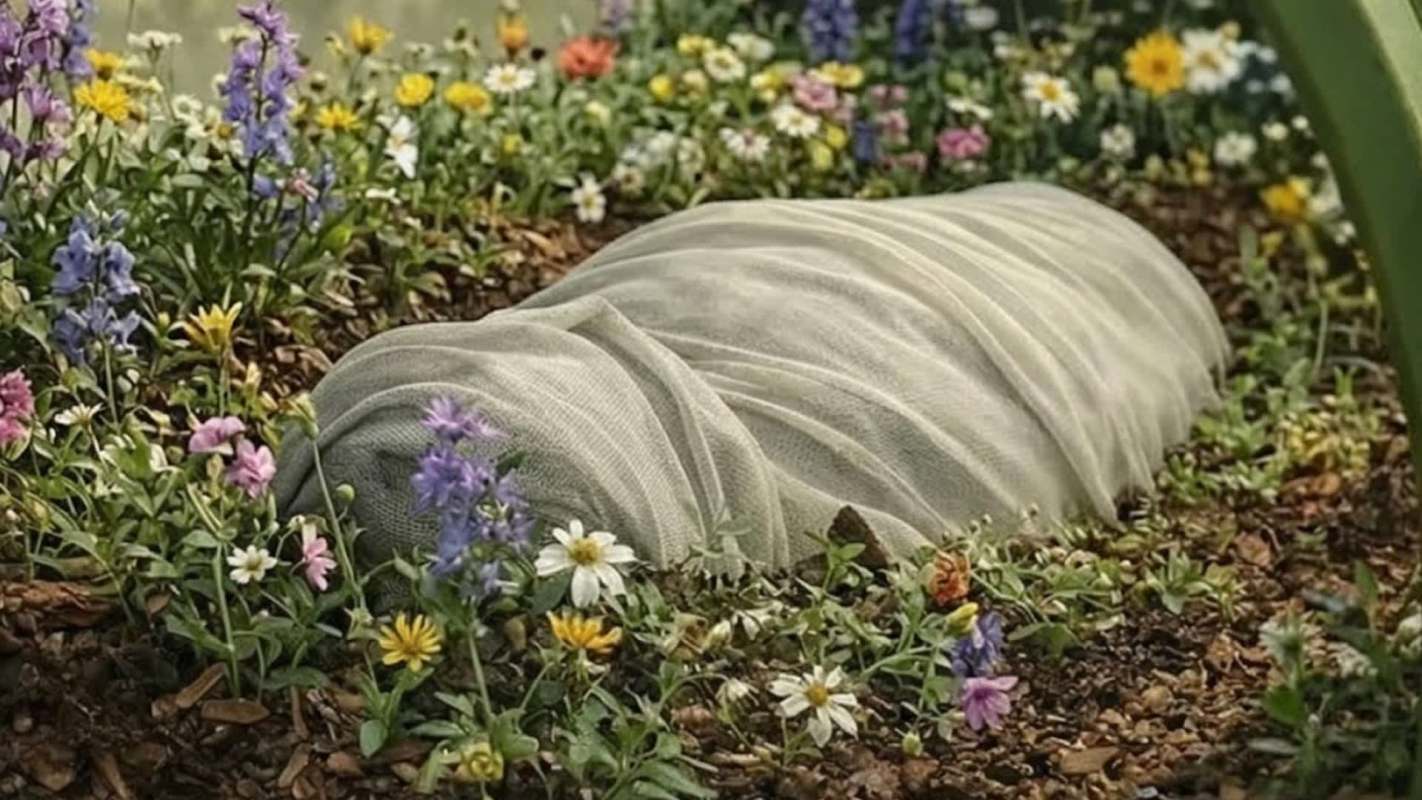
A proposal in rural Maryland is pushing local officials into the unfamiliar territory of whether soil created through human composting can legally be used to help grow a new forest.
As the OC Today-Dispatch reported, the question sits at the crossroads of land use, conservation, and a fast-evolving funeral industry.
Here's what to know
At the center of the request is Earth Funeral, a licensed funeral home with a human-composting operation in Elkridge. According to the publication, the company wants permission to use soil derived from composted human remains on a 14-acre agricultural parcel on Scotty Road outside Snow Hill.
Horace and Quinna Marshall own the property and have agreed to sell it to Earth Funeral if the zoning request is approved. The Worcester County Board of Zoning Appeals heard arguments over whether the proposal falls within the county's agricultural zoning rules, according to the OC Today-Dispatch.
"It's not quite a cemetery, but at the same time, it's not quite agricultural either," Jennifer Keener, Worcester County's planning director, explained to the paper. "It's very unique."
The 2024 Green Death Care Options Act made natural organic reduction legal in Maryland, adding another option beyond burial and cremation.
TCD Picks » Quince Spotlight
💡These best-sellers from Quince deliver affordable, sustainable luxury for all




Earth Funeral CEO Tom Harries said the roughly $5,000 process uses wildflowers, wood chips, and microbes to convert remains into about 300 pounds of soil in around a month, per the OC Today-Dispatch.
Families may keep all of the resulting material, only a portion of it, or none at all. If they choose donation, the soil can be directed to reforestation, although state law does not allow it to be used to grow food, according to the paper.
More background
Because this form of end-of-life care is so new, Worcester County's zoning code does not directly address it. The OC Today-Dispatch reported the applicants argue that the use belongs in the same general category as permitted agricultural activity.
"This is truly a natural regeneration process where this composted soil, again, will be tilled into the land, and trees will be planted in its place," argued attorney Hugh Cropper, who represents Earth Funeral, per the publication.
Human composting remains a new concept in much of the country, even as more states consider alternatives to traditional burial and cremation.
Earth Funeral said it selected the property for its conservation value and intends to keep it as a conservation site. The proposal calls for donated soil to be worked into the land before native tree seedlings are planted, the OC Today-Dispatch reported.
What's being done?
To clarify how the project would operate and to limit environmental concerns, county environmental staff have proposed several conditions. The paper said their recommendations include a nutrient management plan, restrictions on application during wet periods, and a forest conservation easement.
Human composting joins a growing list of options for people who want their final arrangements to align more closely with conservation goals. Legalizing a practice at the state level is only one step. Local zoning, environmental review, and community acceptance can all shape what becomes possible on the ground.
Worcester County's ruling could help set expectations for similar proposals elsewhere as green burial alternatives become more common.

Get TCD's free newsletters for easy tips, smart advice, and a chance to earn $5,000 toward home upgrades. To see more stories like this one, change your Google preferences here.