


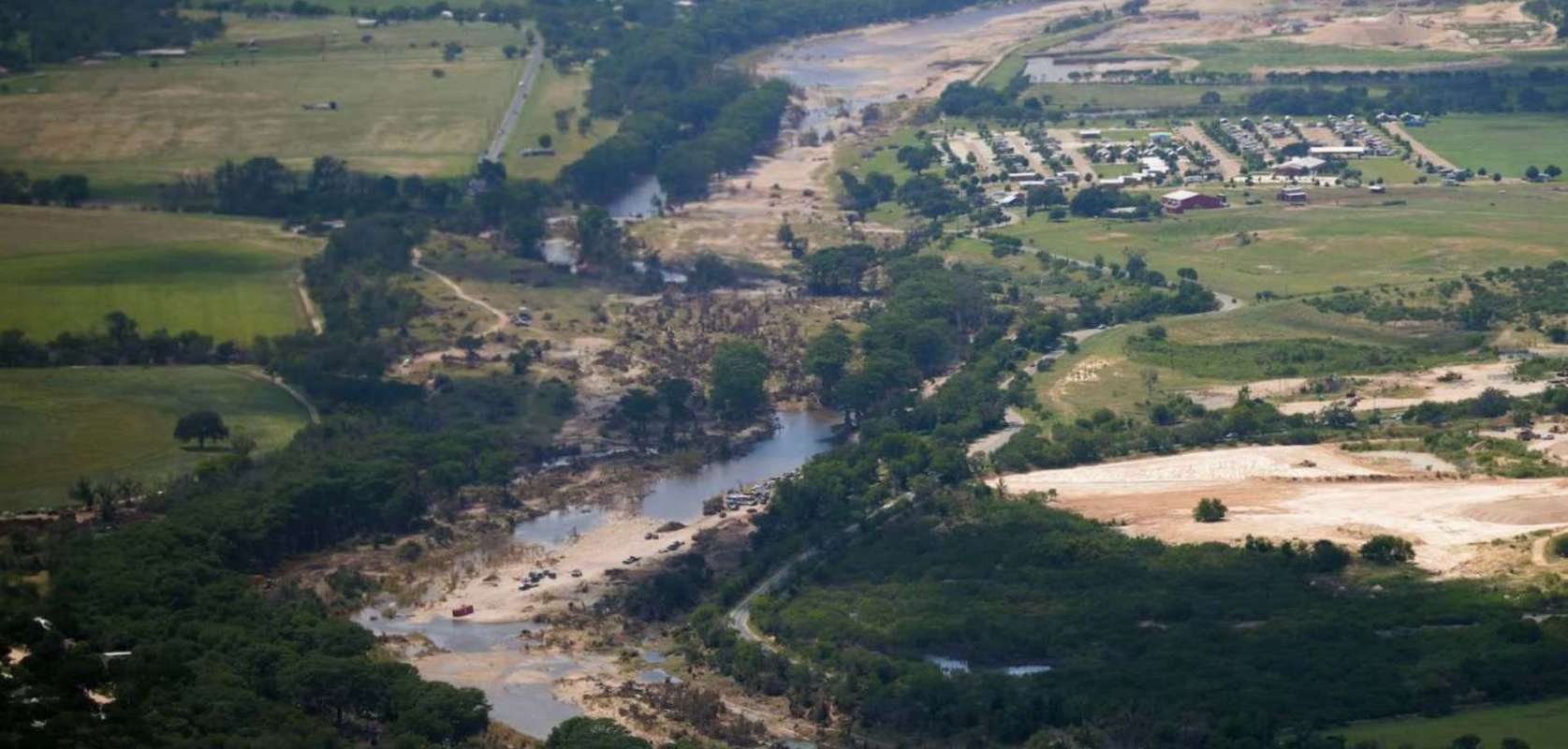
Some Texas Hill Country residents hit by flooding in July may still be eligible for federal disaster assistance, even after missing a deadline or initially being told they did not qualify. A legal aid group is urging people to keep seeking assistance as the region continues to recover from another round of extensive flood damage.
Here's what to know
Serving low-income clients across 68 counties in Central and Southwest Texas, the nonprofit Texas RioGrande Legal Aid, or TRLA, is telling people affected by the July 16 flood that a late appeal to the Federal Emergency Management Agency may still be worth filing, The Kerr County Lead reported last week.
Brittanny Gomez, an attorney and disaster benefits team manager at TRLA, told the local newspaper that disasters often intensify hardships that low-income families were already trying to manage. "Disasters do not change the circumstances of low-income people," Gomez said. "They exacerbate them."
In Kerr County, where flooding damaged an estimated 1,500 homes last month, that pattern is showing up in the cases reaching TRLA. The organization has seen more landlord-tenant conflicts, FEMA appeals, and property ownership questions, according to The Lead.
More background
Gomez's work is shaped in part by her own experience growing up in Hampshire, Texas, where storms like Hurricanes Harvey, Rita, and Ike impacted her community.
The roots of TRLA's disaster response team go back to Hurricane Katrina, when evacuees arriving in Houston and San Antonio needed help replacing documents, disputing FEMA denials, and sorting out title problems, according to The Kerr County Lead. That period helped form the specialized mobile team of attorneys and paralegals Gomez now leads.
TCD Picks » Quince Spotlight
💡These best-sellers from Quince deliver affordable, sustainable luxury for all




Damage to a house is only part of the legal aftermath a disaster can bring. People who receive supplemental security income, disability benefits, or other means-tested assistance may need guidance on how to report disaster aid without putting their benefits at risk. Others can find themselves exposed to contractor scams or aggressive debt collection while still trying to recover.
For many survivors, rebuilding depends as much on forms, deadlines, and appeals as it does on cleanup and repairs.
What's being done?
TRLA is supporting flood survivors in accessing free legal information, case managers, and donated clothes and gift cards.
Gomez is also asking residents — including renters and undocumented people — to complete state forms recording flood damage, according to The Kerr County Lead. She said the information is used only to estimate how much federal aid the area needs and is not shared with law enforcement or immigration authorities.
Gomez also had a direct message for survivors whose applications have been denied or delayed: "Being a disaster survivor is a good enough reason to be able to appeal late. They denied you because they said you didn't own your home? Let us work on that with you and see what we can get."

Get TCD's free newsletters for easy tips, smart advice, and a chance to earn $5,000 toward home upgrades. To see more stories like this one, change your Google preferences here.






