


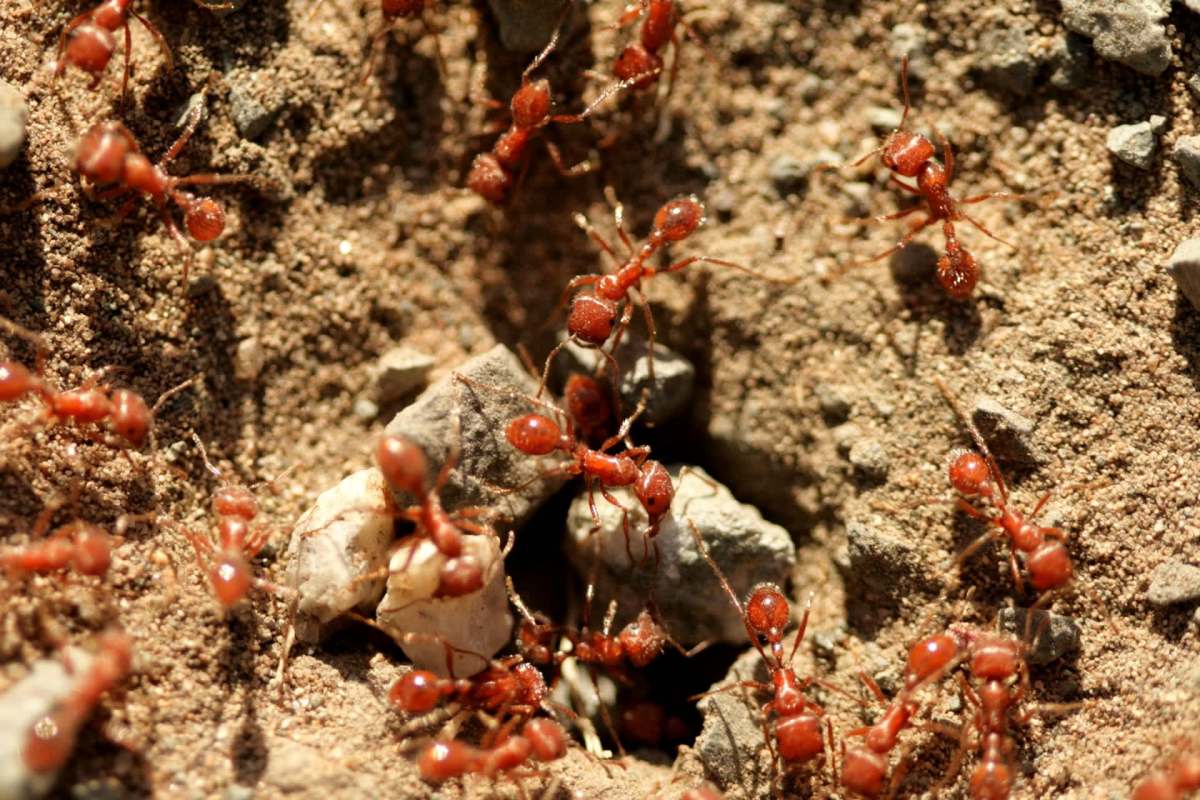
Beyond damaged homes and dangerous debris, deadly flooding in Texas also displaced ant colonies, creating another problem for residents trying to recover from the storm.
Here's what to know
The July 16 flood sent fire ants into a panic as floodwaters destroyed outdoor nests. With nowhere else to go, ants found new residence inside homes.
Rebecca Keim, a Schreiner University entomologist, told The Kerville Daily Times that ants are attracted to cool, damp conditions, which explains why they turn up indoors for temporary shelter.
Families already dealing with water damage may suddenly have to manage ants in kitchens, bathrooms, laundry rooms, and other damp spaces while trying to protect their homes and salvage what they can.
Why does it matter?
Floods do not always end when the water recedes. Afterward, many people are trying to dry out their homes, recover belongings, and regain some sense of normalcy, and a sudden pest problem can make that process even harder.
Flooding can drive wildlife and insects out of their usual habitats, especially when the soil becomes saturated and underground nesting areas collapse.
TCD Picks » Quince Spotlight
💡These best-sellers from Quince deliver affordable, sustainable luxury for all




Ants are highly adaptable, so when outdoor conditions become unstable, they move quickly in search of food, dryness, and protection. Ant infestations may contaminate food, complicate cleanup efforts, and pose health risks to children, pets, and anyone sensitive to bites or stings.
Human activity is partially to blame for these shifts. As communities expand into natural spaces and more homes are built in flood-prone areas, storms can leave people and displaced animals competing for the same limited dry ground. Scientists and conservation experts have pointed to habitat disruption as a major reason for increased encounters between people and animals.
What can be done?
To make your home unattractive to ants, dry damp areas as quickly as possible, repair leaks, seal cracks around doors and windows, and store food in tightly sealed containers. Standing water near foundations and soaked debris around the home can also attract insects, making careful cleanup especially important.
If ants are present, residents should use caution when moving furniture, outdoor items, or piles of wet material where colonies may be hiding. When infestations are widespread, professional pest control may be the safest option.
That can be especially important after flooding, when colonies may be scattered in unusual places both inside and outside the home.
Better drainage, flood-resilient building practices, and smarter land-use planning could help reduce these concerns and keep homes free of displaced ants.

Get TCD's free newsletters for easy tips, smart advice, and a chance to earn $5,000 toward home upgrades. To see more stories like this one, change your Google preferences here.






