


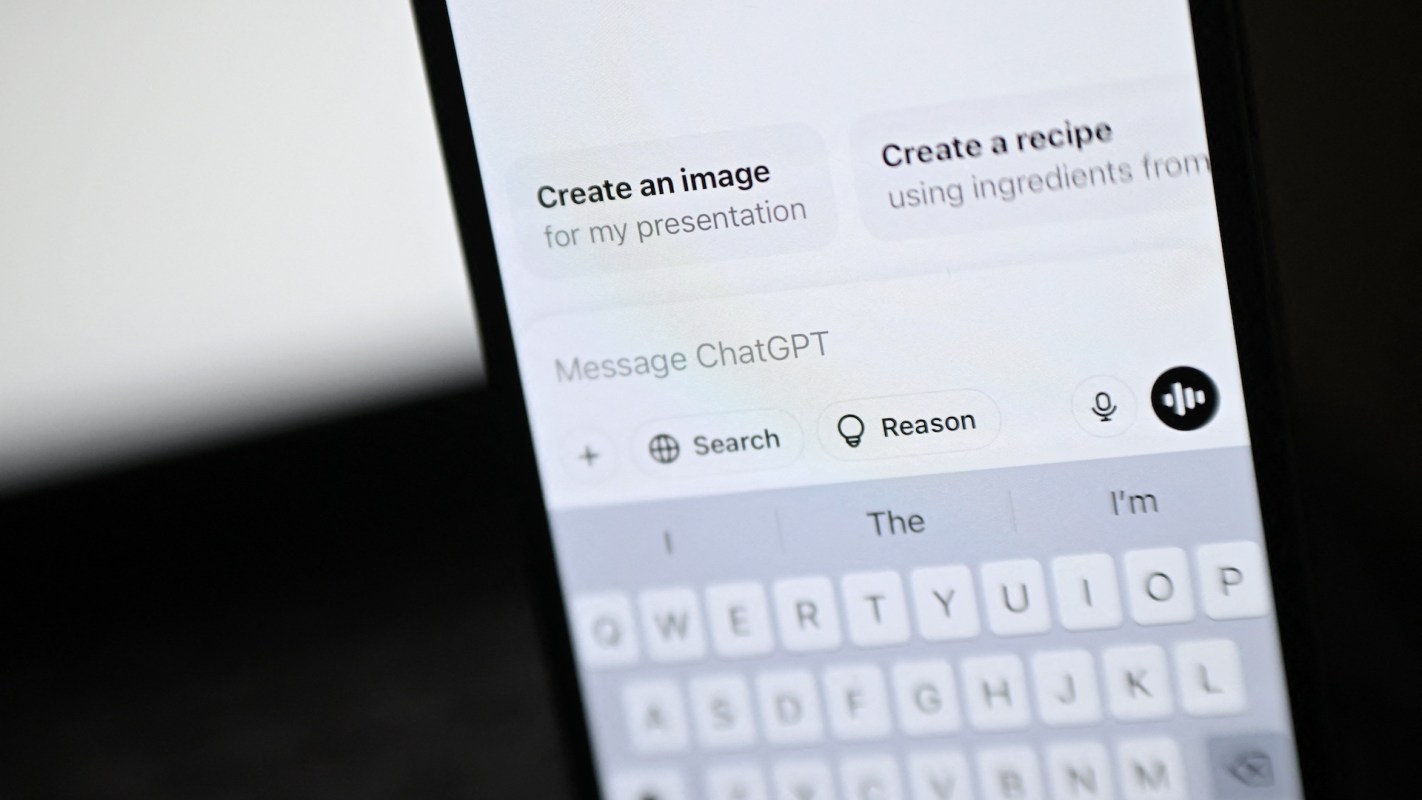
An alarming case out of Florida is just one example of what can happen when violent intent intersects with generative artificial intelligence.
The Palm Beach Post reported court records indicate that a former Goldman Sachs analyst used ChatGPT while making threats against his ex-girlfriend, and OpenAI later reported the activity to the FBI.
Here's what to know
Goldman Sachs financial analyst Darren Zhou was accused in Florida of sending an ex-girlfriend abusive and threatening messages, the Post said.
Court records describe unsettling messages Zhou allegedly entered into ChatGPT, including "I'm gonna kill her by the end of this month" and "If I can't have her then nobody can."
According to the Post, the woman told investigators that she ended the relationship because of his "erratic, jealous and controlling behavior." She also saved screenshots of the messages, which later became part of the evidence law enforcement reviewed.
The outlet also said Goldman Sachs stated that the firm fired Zhou after learning about the situation.
TCD Picks » Quince Spotlight
💡These best-sellers from Quince deliver affordable, sustainable luxury for all




More background
People can pour violent or abusive thoughts into AI systems, and the resulting conversation history may later be available to investigators. Concerns have been growing that, for some generative AI users, chatbot conversations may reinforce paranoia or obsessive thinking.
AI tools are increasingly used for work, school, search, and even emotional support, meaning their failures can create harm like security risks in the real world.
Separated from its societal impacts, AI also has direct links to the energy grid. Large language models rely on power-hungry data centers that consume major amounts of electricity and often substantial volumes of water for cooling.
While AI can help utilities better integrate cleaner energy sources, the technology's rapid expansion has raised concerns about things like misuse and higher energy costs for households and communities.
What's being done?
After OpenAI flagged the conversations, it notified the FBI, according to the Palm Beach Post. Investigators were also able to rely on the woman's account and the screenshots she had saved.
Court records indicate that Zhou was arrested in May, released on $100,000 bail, and the paper said he later reached a deal that allowed him to avoid prison time or a felony conviction. The deal includes eight years of probation, two years on an ankle monitor, and a mental health evaluation.
At the company level, cases like this are likely to increase pressure on AI firms to strengthen safeguards around violent prompting and improve crisis detection.

Get TCD's free newsletters for easy tips, smart advice, and a chance to earn $5,000 toward home upgrades. To see more stories like this one, change your Google preferences here.






