


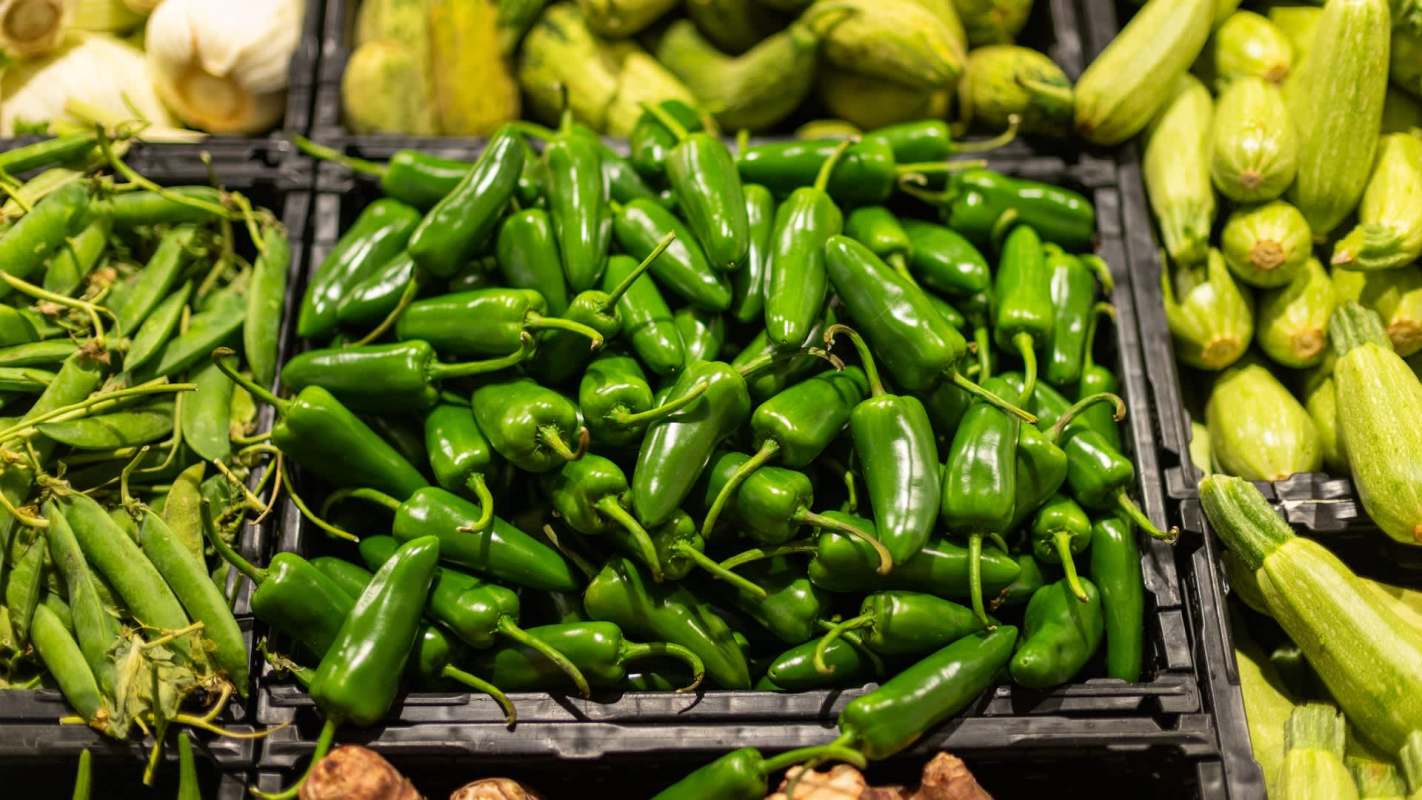
The August salmonella outbreak linked to jalapeño peppers has reportedly sickened more than 300 people across the U.S.
Approximately 27 states have reported Salmonella illnesses. This has prompted recalls of products including salsa, guacamole, and pico de gallo, according to the U.S. Food and Drug Administration.
The incident is a reminder that food poisoning is not limited to undercooked meat — fresh produce can carry dangerous bacteria too, and a quick rinse is not always enough to make it safe.
Here's what to know
Bacteria can get onto fruits and vegetables long before they are prepared at home, including in the field, during washing, during transport, or through subsequent handling. That is why Salmonella is not just a concern with raw poultry, meat, and eggs.
According to a 2018 study, if Salmonella is present around a plant's roots, it may get inside through tiny lateral openings, especially in soils with higher salt concentrations.
Still, contaminated produce may look completely normal, meaning the eye-test isn't effective at spotting it.
TCD Picks » Quince Spotlight
💡These best-sellers from Quince deliver affordable, sustainable luxury for all




Food recalls like this can seem like isolated incidents, but they can also reflect broader challenges within industrial food production. Large, fast-moving supply chains can create more opportunities for contamination to spread, while uneven oversight or inconsistent safety practices can make problems harder to catch early.
Contamination can spread through dirty wash water and during transportation, and it can also happen through cross-contamination from unwashed hands, knives, cutting boards, or animals, according to the USDA.
Quick recall notices help consumers and stores remove unsafe food from circulation before more people get sick.
What can be done?
Do not assume produce is safe just because it looks normal. If contamination is a possibility, throwing it away is often safer than counting on washing alone to solve the problem.
Keep produce separate from raw meat and anything that has touched it, clean and sanitize kitchen surfaces regularly, and wash hands with soap and water for at least 20 seconds.
Perishable vegetables should be stored sealed in a clean refrigerator. If you grow your own food, avoid harvesting vegetables that show obvious animal damage or fecal residue, and keep birds and other animals away from harvesting equipment.
Salmonella is killed at temperatures above 167 degrees Fahrenheit, according to The Spruce, so thoroughly cooking produce-based dishes can provide protection that rinsing alone may not.

Get TCD's free newsletters for easy tips, smart advice, and a chance to earn $5,000 toward home upgrades. To see more stories like this one, change your Google preferences here.








