


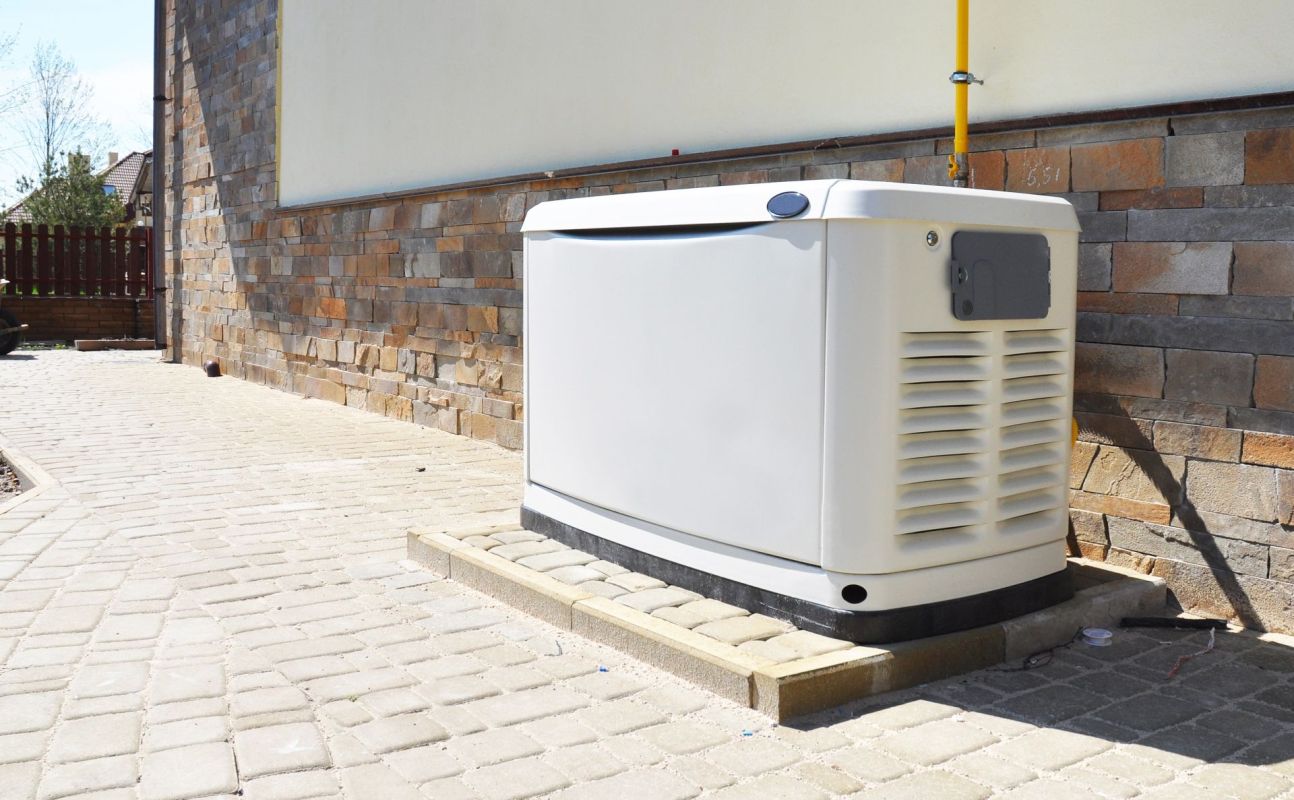
Severe weather can make a portable generator feel like a lifesaver during a blackout, but officials in one Illinois community warned that improper use can be deadly.
The Frankfort Fire Protection District reminded residents that backup power should never come at the cost of carbon monoxide exposure or fire risk, Patch reported.
Here's what to know
The district issued a generator safety alert after crews responded to several events involving generators and carbon monoxide.
After severe storms, ComEd's outage map showed there were 337 customers in Frankfort, 217 in Frankfort Square, and 141 in Frankfort Township without power Thursday, according to Patch.
A generator can keep refrigerators cold, essential appliances running, and phones charged during an outage.
But carbon monoxide cannot be seen or smelled, which is why it is regularly called a "silent" or "invisible" killer.
TCD Picks » Quince Spotlight
💡These best-sellers from Quince deliver affordable, sustainable luxury for all




People may not realize they are being exposed until symptoms become severe, and as the Centers for Disease Control and Prevention warns, exposure can be fatal.
More background
After storms disrupt power, portable generators are often used while neighborhoods wait for utility crews to restore service.
In those situations, people are often tempted to place a unit in a garage, by a back door, or close to a window for easy access.
But even when a generator is not indoors, its exhaust can drift into a home or accumulate in one place, creating a potentially deadly situation.
The dangers are not limited to carbon monoxide exposure.
Improper generator use can also damage appliances, overload outlets, and create a fire hazard.
What can be done?
The district advised residents to keep generators outdoors, about 20 feet from the house, with the exhaust pointed away from the home, and to keep them away from doors, windows, and vents.
It also urged residents to check that carbon monoxide alarms are working before an outage occurs.
Per the fire district's guidance, appliances should be plugged directly into the generator or into properly rated outdoor extension cords.
Never add fuel to a generator while it is running or still hot.
The district's most urgent reminder was also its simplest. "NEVER operate a generator inside a home, garage, or other enclosed space, even with the garage door open," Patch stated.

Get TCD's free newsletters for easy tips, smart advice, and a chance to earn $5,000 toward home upgrades. To see more stories like this one, change your Google preferences here.







