


A series of suspected carbon monoxide deaths in a Missouri county is drawing attention to a summer danger that is both common and difficult to detect.
With no color and no smell, the gas can turn deadly quickly in the wrong environment.
What happened?
Doctors are warning families to treat carbon monoxide as an urgent summer safety issue after five suspected poisoning deaths in Phelps County, Missouri, according to KY3.
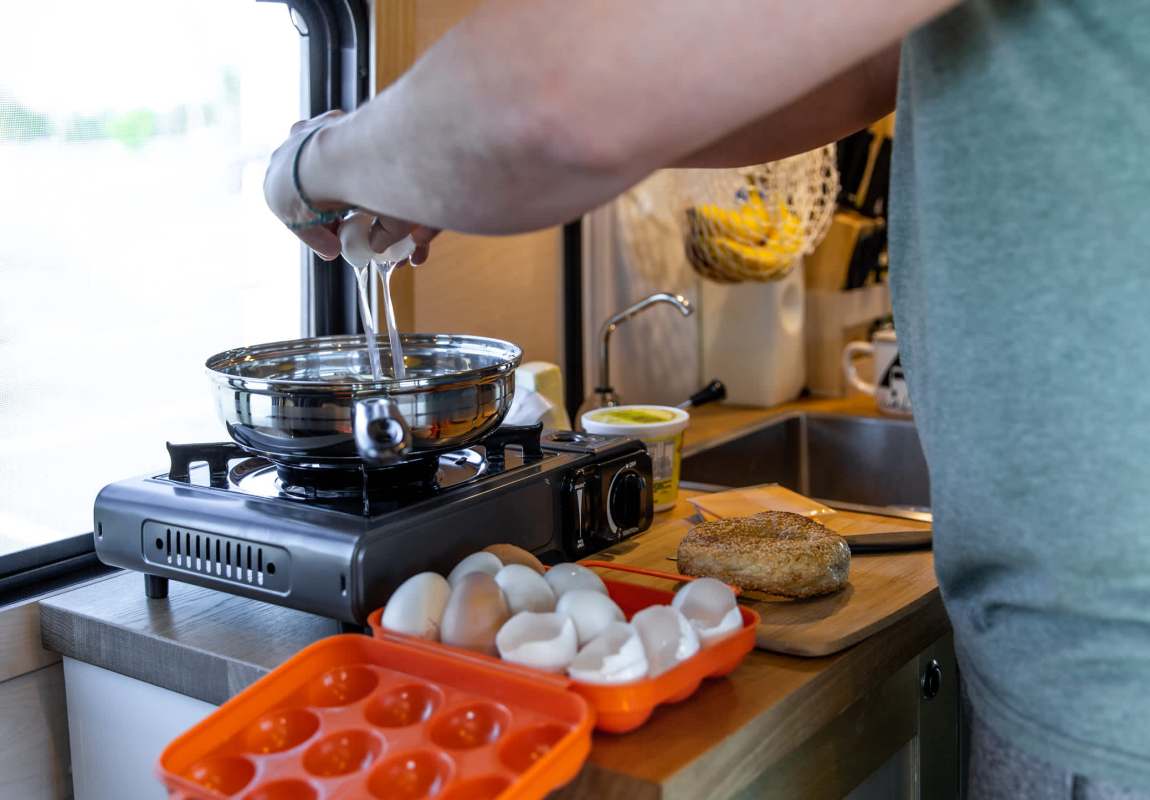
People often rely on fuel-burning gear during storms and warm-weather travel, including camp stoves, grills, boat motors, and generators, and that equipment produces carbon monoxide. The risk grows when the fumes collect in enclosed or partly enclosed areas like garages, campers, and cabins.
Part of what makes the threat so alarming is that exposure may happen while someone is asleep. Early warning signs include headaches, nausea, dizziness, weakness, and confusion.
A backyard cookout, a weekend on the water, a night in a camper, or a power outage can all create the same risk if fuel-burning devices are used too close to living spaces or without enough ventilation.
TCD Picks » Quince Spotlight
💡These best-sellers from Quince deliver affordable, sustainable luxury for all




Why does it matter?
Carbon monoxide poisoning is especially dangerous because it can look like other issues people may initially brush off. By the time symptoms become more obvious, a person may already be in serious danger.
Generators are often used during outages, grills may be moved into risky areas for convenience, and cabins or campers can seem ventilated enough when they are not.
Carbon monoxide poisoning isn't rare, either. More than 400 people die from it each year in the U.S. outside of fires, according to the Centers for Disease Control and Prevention, and tens of thousands more end up in the emergency room.
What can I do?
Fuel-burning equipment should be used away from places where people live, sleep, or gather indoors. Per KY3, outdoor generators, gas grills, and even wood-burning grills should be kept about 20 feet from doors, windows, and vents.
In campers and cabins, proper ventilation is essential. If a space contains a cook stove or other fuel-burning equipment, make sure it's well ventilated.
Carbon monoxide detectors can add another layer of protection by providing an early warning before symptoms become severe. They can be installed in a house, camper, or boat.
If someone develops a sudden headache, nausea, dizziness, weakness, or confusion near a running engine, stove, grill, or generator, moving to fresh air and seeking medical care quickly could save a life.
As Barbara Bumberry, who shared safety advice with KY3, said, "If you have a camper and you've got a cook stove, you want to make sure that it's well ventilated." She added that "you can have carbon monoxide detectors that you can install in your camper or on your boat or in your house."

Get TCD's free newsletters for easy tips, smart advice, and a chance to earn $5,000 toward home upgrades. To see more stories like this one, change your Google preferences here.






