


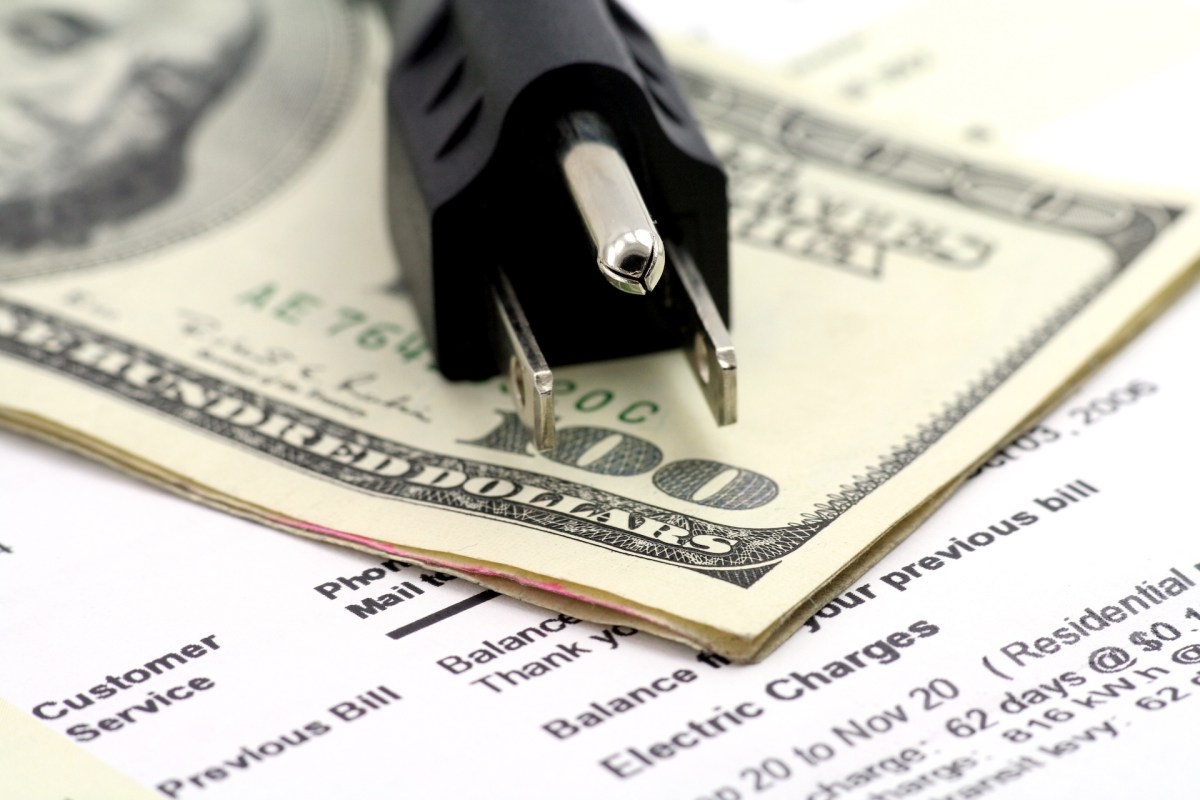
New Jersey residents are pushing back after Jersey Central Power & Light proposed an 8.8% rate hike that would add about $170 a year to household electric bills.
For families still grappling with steep energy cost increases, the proposal is landing as yet another example of a company passing major costs on to customers.
Here's what to know
As calculated by The U.S. Sun, a residential customer using 767 kilowatt-hours would pay about $14.23 more each month under Jersey Central Power & Light's latest filing — an increase of $170.76 over a year. The proposal would raise residential electric bills by 8.8%.
JCP&L is asking to add $253 million to its base distribution rates and to recover another $476 million in deferred storm costs over the next decade. The company said that, even if the New Jersey Board of Public Utilities approves the filing, the base rates would begin May 6, 2027, while offsets would postpone any impact on customer bills until January 1, 2028.
Doug Mokoid, FirstEnergy president of New Jersey, defended the proposal in a statement: "Customers shouldn't have to choose between affordability and reliability. Our balanced approach puts both front-and-center simultaneously by minimizing the impact on bills today and giving customers time to plan, while continuing to invest in the infrastructure needed to deliver safe, reliable service for generations to come."
Some residents sharply criticized the proposal on Facebook, with one customer writing, "F them! Their profits are soaring. Their execs continue to receive exorbitant salaries, benefits and stock options."
TCD Picks » Quince Spotlight
💡These best-sellers from Quince deliver affordable, sustainable luxury for all




More background
The proposal follows a period of major energy inflation in New Jersey. Rates across New Jersey utilities climbed about 20%, and the average bill rose 16.9% — a bigger increase than in any other state.
Another commenter accused JCP&L of "robbing customers constantly."
At the center of the debate is a broader question over who should carry the financial burden of maintaining and upgrading the electric grid as severe weather becomes more damaging and costly.
What's being done?
There is at least some political resistance. On her first day in office, Governor Mikie Sherrill ordered a freeze in late January on "any proceedings in which electric distribution utilities seek approvals for rate increases or cost recoveries."
A spokesperson for Sherrill said that the Board of Public Utilities and Rate Counsel "will go through JCP&L's filing with a fine-tooth comb."
The spokesperson also said, "Governor Sherrill froze utility rates (in) the middle of her inaugural address to keep bills from skyrocketing. Those rates remain frozen."
The governor's office added that Sherrill has also pushed bill credits, a price collar on PJM, and more power production in an effort to limit costs.
On Facebook, one resident summed up the mood in two words: "Enough already."

Get TCD's free newsletters for easy tips, smart advice, and a chance to earn $5,000 toward home upgrades. To see more stories like this one, change your Google preferences here.






