A stretch of soaking rain followed by soaring heat can turn even a thriving backyard garden into a stress test. One TikTok gardener in zone 8B showed exactly what that looks like: fungal damage, flower drop, weeds, and a few stubborn bright spots still worth harvesting.
Here's what to know
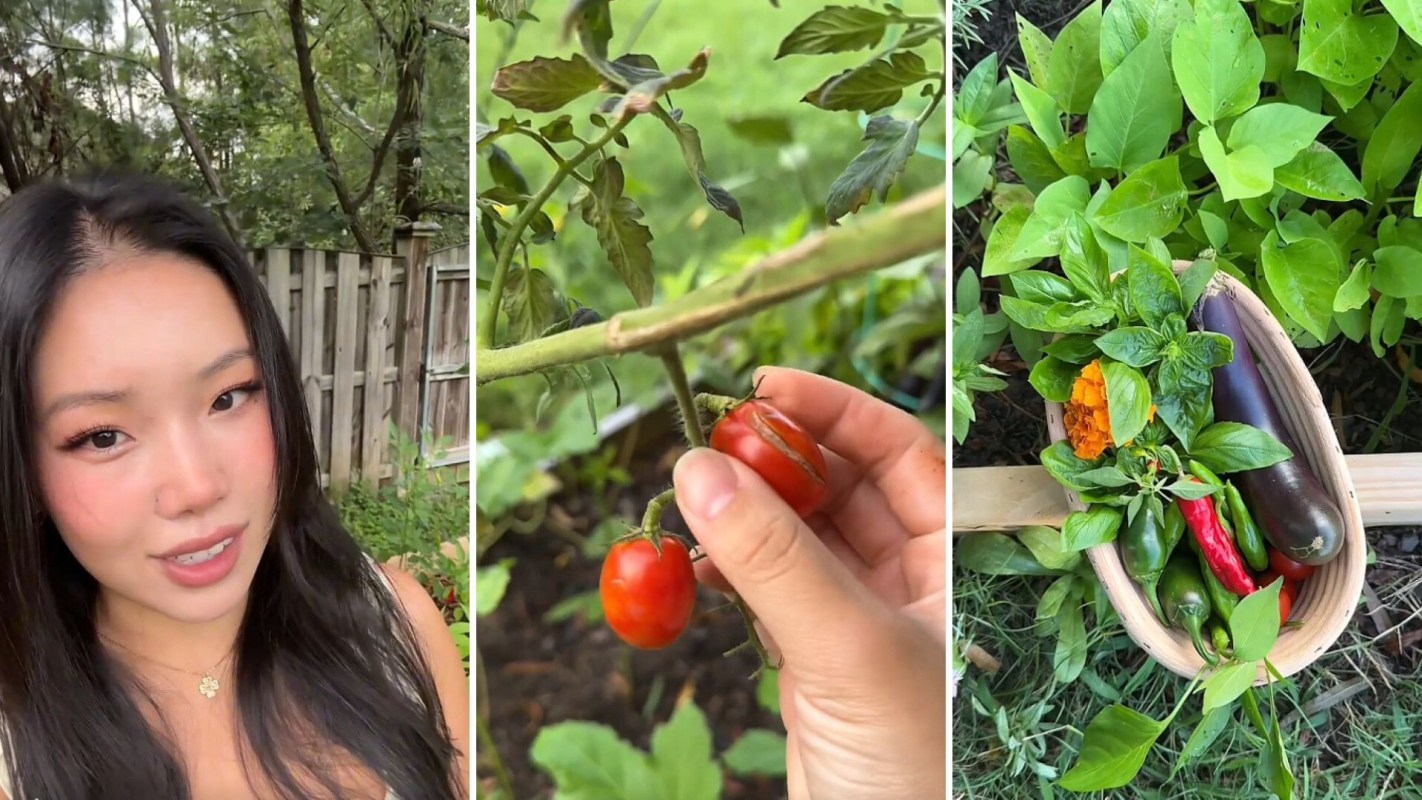
In a TikTok video, Annie (@annieqwu) returned after nearly a month away to a garden that had taken "a lot of damage." In the caption, the gardener explained the cause: "Lots of rainy days combined with 90F+ heat has caused lots of fungal issues and flower dropping/pollen sterility in the garden."
@annieqwu Lots of rainy days combined with 90F+ heat has caused lots of fungal issues and flower dropping/pollen sterility in the garden. Also lots of weeds. I'm pruning and pulling up any diseased plants and maybe starting fall seeds soon. I still have okra and peas that will maybe survive! yay #garden #harvest #zone8b #raisedgardenbed ♬ Morning Brew Jazz - NonLeo
Across the garden were struggling tomato plants, split fruit, and beds crowded with weeds. Annie said diseased plants would be pulled and that fall seeds might be started next.
There was still something to gather, though. The harvest included eggplant, basil, jalapeños, shishitos, Thai chili peppers, and a couple of tomatoes.
As the tomatoes seemed to be nearing the end of their season, peppers and water spinach were still in the garden. Annie also noted that okra and peas might survive.
More background
Heat and excess moisture can encourage fungal problems and interfere with pollination, meaning flowers may drop before fruit can fully develop. Still, home gardening can offer benefits even in imperfect seasons.
TCD Picks » Quince Spotlight
💡These best-sellers from Quince deliver affordable, sustainable luxury for all




Growing produce at home can help families save money on groceries, especially for herbs, peppers, greens, and other items that can be expensive at the store. It can also mean better-tasting food picked at peak ripeness instead of after shipping and storage.
Even a disappointing harvest can still provide exercise, fresh air, and a stronger connection to what it takes to grow food.
Annie's mixed results also reflect why many gardeners stagger crops by season. In warmer regions such as zone 8B, late-summer transitions can mean one crop is winding down while another is just getting started.
What can be done?
When one crop is too far gone, promptly removing diseased plants, harvesting what is still usable, and replanting for the next season can help keep a garden productive instead of allowing problems to spread.
It also helps to focus on crops that are performing well. In this case, peppers and herbs looked far more dependable than the tomatoes.
Diversifying plantings can reduce the risk of putting all your effort into one weather-sensitive crop.
Gardeners dealing with similar conditions can also benefit from growing their own food with seasonal planning in mind and from using nonchemical methods to control weeds before they take over stressed beds.
With pruning, cleanup, and smart replanting, even a battered space can still produce useful food and help set up a stronger fall season.
As the creator put it, "What I'm really happy about are my zinnias. They have survived my month away and are looking gorgeous."

Get TCD's free newsletters for easy tips, smart advice, and a chance to earn $5,000 toward home upgrades. To see more stories like this one, change your Google preferences here.