


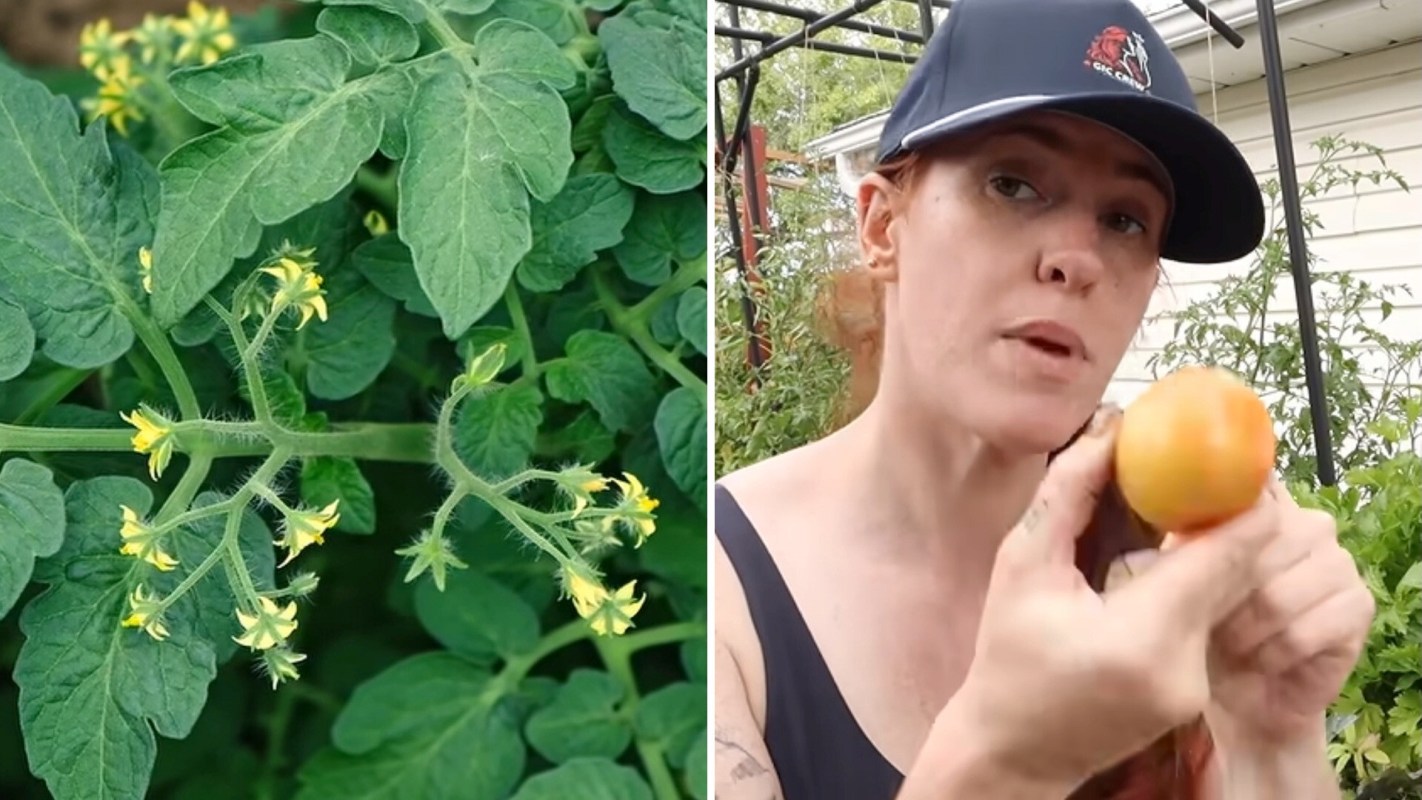
If your tomato plants are still producing new flowers in late summer, it may seem like a promising sign.
But in many Canadian gardens, Ashley, the content creator behind Gardening In Canada (@GardeningInCanada), who identifies as a soil scientist, says those late blooms can actually work against your harvest once there is no longer enough time for them to turn into usable fruit before the first frost.
Here's what to know
In an August 13 video, Ashley advises gardeners to start with their area's average first frost date and work backward to decide when new tomato flowers no longer make sense.
If a blossom opens after that realistic window for ripening, the plant may be better served putting its energy into fruit that has already set.
That matters most in short-season climates, where frost can end the season before late blooms have much chance to turn into usable tomatoes.
It is also a key issue with indeterminate plants, which will continue growing and flowering unless gardeners step in.
TCD Picks » Quince Spotlight
💡These best-sellers from Quince deliver affordable, sustainable luxury for all




The type of tomato also affects the cutoff. Cherry tomatoes usually mature more quickly, while larger slicing varieties often need a longer stretch of warm weather, so bigger-fruited plants may need late blooms removed sooner.
The video also warns against another late-season mistake: removing healthy leaves.
Those leaves help power the plant, and keeping them can support ripening rather than slow it down.
More background
Getting more ripe tomatoes before frost can translate to real savings at the grocery store, especially when fresh produce prices are high.
It can also mean better flavor, since homegrown tomatoes are often picked closer to peak ripeness than store-bought produce.
Gardening offers other benefits as well. Growing food at home can encourage more time outdoors and more physical activity, and many people find the routine calming and rewarding. Even a small backyard plot or patio container can support mental well-being while producing something useful.
Green tomatoes are not necessarily a lost cause. Some may continue ripening after they are picked, and others can still be used in cooking.
For gardeners in short-season areas, the central tradeoff is simple: removing late flowers can give existing fruit a better chance to finish before frost ends the plant's season.
What can be done?
A good place to start is to check your usual first frost date and count backward based on the kind of tomatoes you planted. If flowers appear after that point, pinching them off may help the plant focus on fruit already developing.
If you are growing indeterminate tomatoes, topping the plants late in the season is another option to limit new growth and push resources toward ripening. Larger slicing tomatoes may need that step earlier than cherry types.
As temperatures start to cool, gardeners may be better off keeping plants supported, watered, and watched closely instead of cutting away healthy leaves.
For anyone looking to get more from their backyard or balcony, growing your own food can help stretch a budget, improve produce quality, and turn a patch of soil into a practical wellness boost.
More blooms do not automatically lead to more tomatoes. In short-season gardens, it can make more sense to prioritize the fruit already on the plant than to let it keep producing flowers too late in the year.

Get TCD's free newsletters for easy tips, smart advice, and a chance to earn $5,000 toward home upgrades. To see more stories like this one, change your Google preferences here.







