


A warning from a neighbor's mother about a potential "grudge" turned one homeowner's low-water landscaping plan into a widely discussed online dispute.
Here's what to know
The conflict did not begin with the landscaping itself, just the idea of it.
In a now-widely circulated Reddit post, the homeowner said that during the two years they and their partner have owned the house, their neighbor has been 'very particular.'
Now the couple wants to xeriscape a strip of front yard beside the property boundaries, making it into a drought-tolerant area, but feared retaliation from their neighbor. When the couple asked the neighbor's mom about the landscaping plan, she "advised us to hold off."
The original poster went on to explain that "we're not looking for a fight… but we also don't want to set a precedent where we ask permission to use our own property."
Nearly 700 comments followed, and many Redditors said the homeowners were already being entirely reasonable.
TCD Picks » Quince Spotlight
💡These best-sellers from Quince deliver affordable, sustainable luxury for all




One commenter put it bluntly, writing, "Fence, fence, fence… A fence is more than a physical barrier. It also creates a psychological divide that helps people with boundary issues stay in their lane."
Another wrote, "Stop trying to 'keep the peace' with someone who is 100% of the problem."
Some commenters said that should include hiring a professional surveyor. Others recommended checking local setback requirements first, since in some places a fence has to be installed slightly inside the property line.
A few users mentioned adding other visible markers, including buried bricks, stones, or large landscape logs or branches.
Many also suggested installing cameras so there would be evidence if the neighbor tampered with plants, materials, or markers, giving the homeowners protection if the dispute escalates into damage or trespassing.
More background
Disputes with neighbors can turn even cost-cutting sustainability projects into a source of stress, especially when basic property boundaries are not being respected.
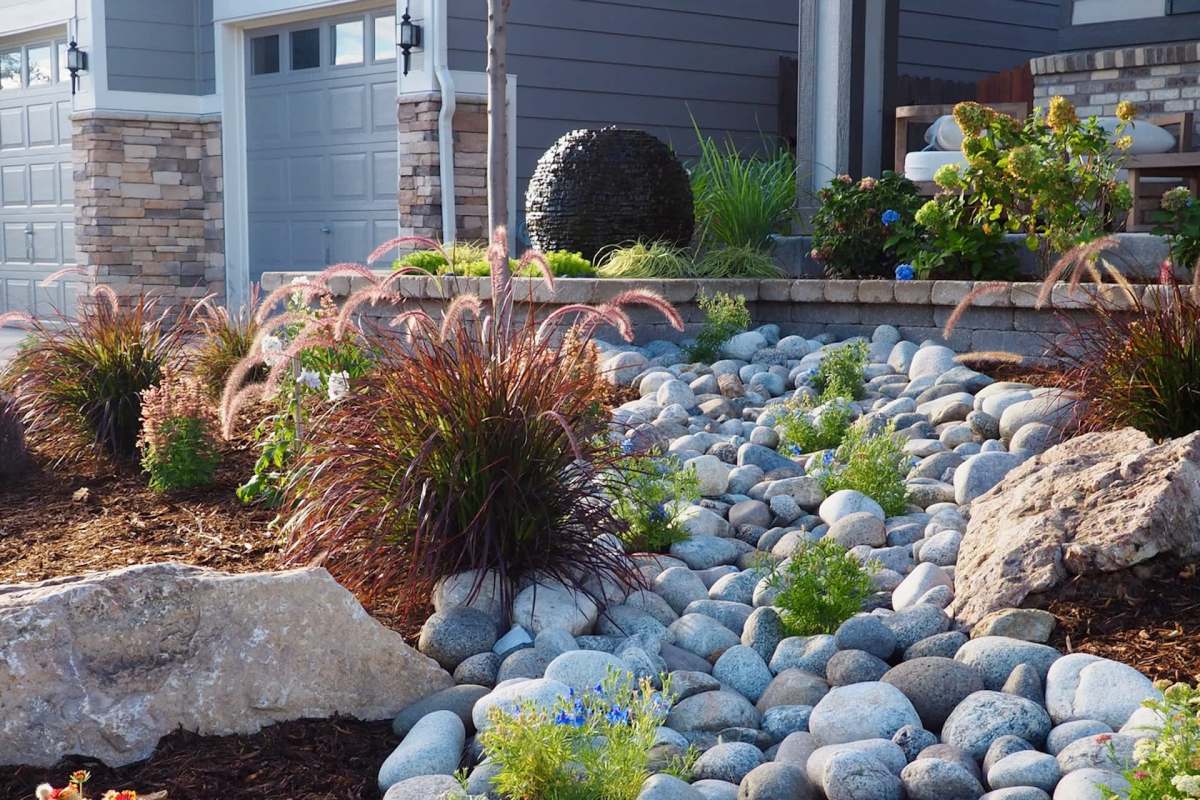
Xeriscaping is designed to cut outdoor water use by replacing water-hungry grass with gravel, mulch, and native plants suited to local conditions. In many areas, that can also mean less mowing, lower water bills, and a yard that is easier to manage during heat and drought.
Yet, a project meant to save resources and simplify upkeep can quickly become harder when it gets caught up in a neighborhood conflict.
This kind of pressure can discourage people from making lawful changes to their own property, even when those improvements may be better for both nearby households and the wider community.

Get TCD's free newsletters for easy tips, smart advice, and a chance to earn $5,000 toward home upgrades. To see more stories like this one, change your Google preferences here.







