


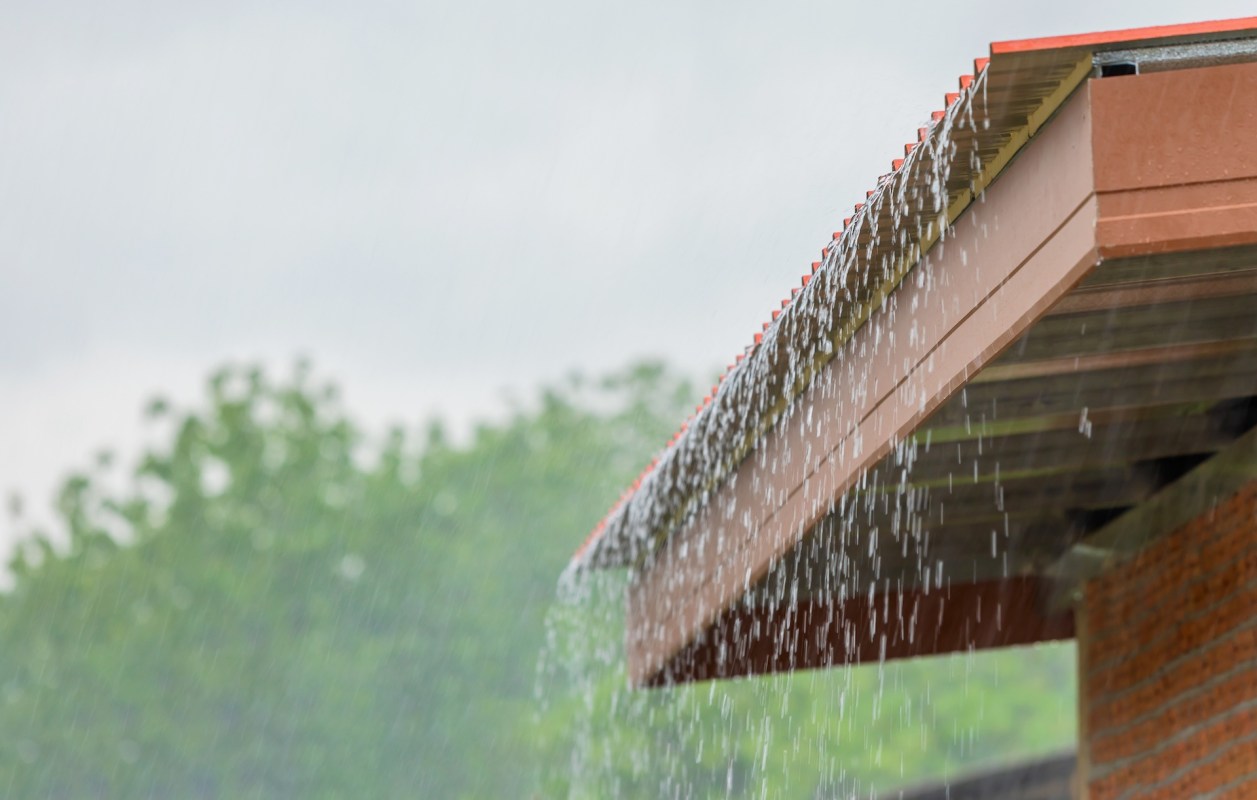
Rain that falls on rooftops goes largely unused worldwide, apart, of course, from watering natural environments.
In Puerto Rico, some experts say it could be making a difference for households amid a historic drought that is forcing many to ration water.
Here's what to know
In Puerto Rico, around 180,000 households have had limited access to running water, following the worsening of a drought that saw July become the island's driest month on record. As WIRED reported, some families have gone more than 100 days without consistent service.
Places such as the U.S. Virgin Islands and Barbados typically require some method for catching and utilizing rainwater. The U.S. territory of Puerto Rico, however, does not currently require rainwater catchment, and some experts say it could make a big difference.
Fernando Abruña, a partner at Abruña & Musgrave Architects, told WIRED that if 1 million households widely adopted collection systems, they could gather roughly 30 billion gallons per year.
Meanwhile, in addition to drought, the island's aging water network is another strain. The Puerto Rico Aqueduct and Sewer Authority loses roughly 60% of the island's drinking water before it reaches homes, largely because of leaking pipes and other infrastructure issues, according to WIRED.
More background
When water service is interrupted for days at a time, families are left scrambling to meet basic needs such as cooking, washing dishes, bathing, doing laundry, flushing toilets, and caring for pets. For those with medical conditions, older residents, or people living alone, those disruptions can become especially difficult and, in some cases, dangerous.
TCD Picks » Quince Spotlight
💡These best-sellers from Quince deliver affordable, sustainable luxury for all




As climate change increases the likelihood of longer, more intense dry seasons and related infrastructure strains, communities can become more exposed to risk when they depend almost entirely on centralized systems already prone to malfunction.
What's being done?
Over the past 15 years, the nonprofit Plenitud Puerto Rico has donated and installed 73 rainwater-harvesting systems in a mountainous area of the island, WIRED reported. The group's executive co-director, Owen Ingley, told the outlet that smaller systems can cost between $500 and $2,000, while larger versions with electric pumps can cost up to $5,000.
These systems do not necessarily provide clean, safe drinking water on their own, but they can help with other everyday needs, such as flushing toilets. This could help to offset burdens and prioritize the use of safe water for essentials like drinking and food preparation.
Broader adoption would require public investment and support for maintenance and water-quality monitoring so the financial burden of the systems does not fall entirely on households.
José Pérez Cordero, an at-large legislator in the Puerto Rico House of Representatives, told WIRED that a 2024 law requires public agencies to install collection systems on government buildings, though he said it is not being enforced. In June, he introduced a resolution to study whether Puerto Rico could adopt rainwater-harvesting models already used elsewhere in the Caribbean.
If the island territory pursues broader implementation, it could inspire adoption beyond the region too.

Get TCD's free newsletters for easy tips, smart advice, and a chance to earn $5,000 toward home upgrades. To see more stories like this one, change your Google preferences here.







